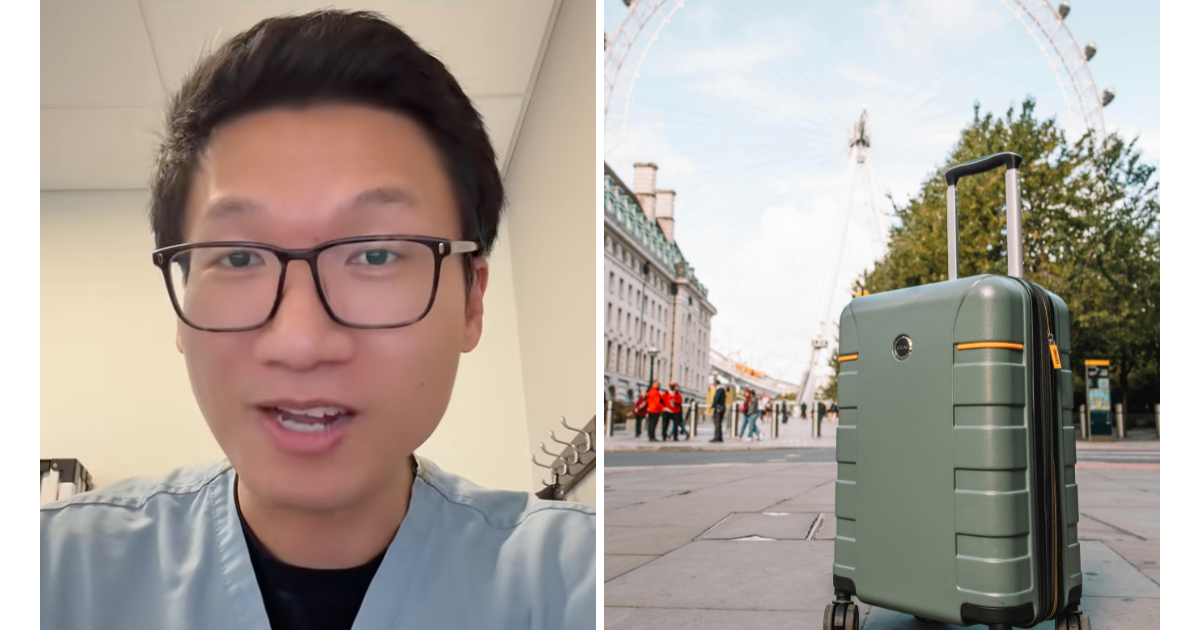
Stepping into a different environment often feels like a break, but it can also act as a reset in ways people don’t immediately notice. In a TikTok video, @doctor.bing explains how even small changes in surroundings can influence how the brain processes information, manages stress, and generates new ideas. His take shifts the focus away from travel as luxury and toward travel as a functional tool for mental well-being.
That perspective makes the idea of travel feel more practical and less distant. Instead of tying the benefits to long flights or expensive destinations, the emphasis is on novelty and change. The brain responds to newness, not distance, which means the impact can come from something as simple as exploring a different part of your city. What stands out is how everyday movement can quietly shape confidence, creativity, and clarity over time.
What the Video Explains
In the video, he starts by explaining that travel doesn’t just change what you see, it changes how your brain functions. The focus is on neuroplasticity, which refers to the brain’s ability to form and reorganize connections when exposed to new experiences. Even something as simple as navigating a new place can activate this process.
He connects this idea to stress, noting that stepping outside of routine can lower stress hormones and give the mind a reset. A new environment disrupts repetitive patterns, which can reduce mental fatigue and create space for clearer thinking. That shift is part of why people often feel refreshed after even a short trip.
Creativity also comes into play, as exposure to unfamiliar sights, sounds, and cultures introduces new perspectives. He explains that these experiences can spark ideas in ways that routine environments often don’t. Alongside that, figuring things out in a new place builds confidence, reinforcing a sense of independence and adaptability.
Why Change Affects the Brain
The science behind this idea is rooted in how the brain responds to novelty. When you encounter something new, your brain becomes more engaged, forming fresh neural connections as it processes unfamiliar information. According to research in neuroscience, this kind of stimulation supports cognitive flexibility and learning over time.
The concept of neuroplasticity has been widely studied in the field of Neuroscience, where experts emphasize that the brain is constantly adapting to new inputs. Travel simply accelerates that process by introducing multiple new stimuli at once, from environments to social interactions. This makes it a natural way to challenge the brain without structured effort.
What’s interesting is that the brain doesn’t necessarily distinguish between a faraway destination and a nearby change in setting. The key factor is novelty, not distance. That idea supports the point that even small, local experiences can trigger similar mental benefits.
Why It Doesn’t Have to Be a Big Trip
One of the most practical parts of the message is the emphasis on accessibility. You don’t need a long vacation or international travel to experience these effects. A short trip to a new neighborhood, a nearby city, or even a different routine can introduce enough change to engage the brain.
This perspective aligns with how people are increasingly redefining travel. Experiences are becoming more important than scale, with many choosing shorter, more frequent trips over rare, extended ones. The benefit comes from breaking routine, not from how far you go.
That makes the idea easier to apply in everyday life. Instead of waiting for the perfect opportunity to travel, people can look for small ways to introduce novelty. It turns travel into something continuous rather than occasional.
Why This Feels Like More Than Travel Advice
What makes this message resonate is that it connects travel to personal growth in a tangible way. It’s not just about relaxation or enjoyment, it’s about how experiences shape the way people think and respond. That framing gives travel a purpose beyond leisure.
There’s also a sense of control in the idea that change can be intentional. Rather than waiting for life to feel different, people can create that shift by stepping into new environments. Even small decisions, like trying a new route or visiting a new place, become meaningful.
That perspective makes the advice feel empowering rather than aspirational. It suggests that improving mental well-being doesn’t always require major changes, just intentional ones. The simplicity of that idea is part of what makes it stick.
Would You Travel Differently Knowing This?
The takeaway isn’t that everyone needs to travel more, but that the way people think about travel might shift. Understanding that the brain responds to change, not distance, opens up new possibilities for how experiences are approached. It removes the idea that benefits only come from big, planned trips.
For some, this might mean being more intentional about exploring new places nearby. For others, it could simply be a reminder to break routine more often. The approach becomes flexible, shaped by what’s realistic for each person.
So the question becomes less about where you go and more about how often you step outside your usual pattern. Would you start treating small changes in environment as a form of mental reset, or would travel still feel like something reserved for special occasions?
More from Cultivated Comfort:
- 7 Vintage Home Items From the ’60s That Are Collectors’ Dream Finds
- 7 Vintage Home Goods That Became Collectors’ Gold
- 7 Fast-Food Chains That Changed for the Worse
- 7 Frozen Dinners That Were Better Back in the Day

As a mom of three busy boys, I know how chaotic life can get — but I’ve learned that it’s possible to create a beautiful, cozy home even with kids running around. That’s why I started Cultivated Comfort — to share practical tips, simple systems, and a little encouragement for parents like me who want to make their home feel warm, inviting, and effortlessly stylish. Whether it’s managing toy chaos, streamlining everyday routines, or finding little moments of calm, I’m here to help you simplify your space and create a sense of comfort.
But home is just part of the story. I’m also passionate about seeing the world and creating beautiful meals to share with the people I love. Through Cultivated Comfort, I share my journey of balancing motherhood with building a home that feels rich and peaceful — and finding joy in exploring new places and flavors along the way.