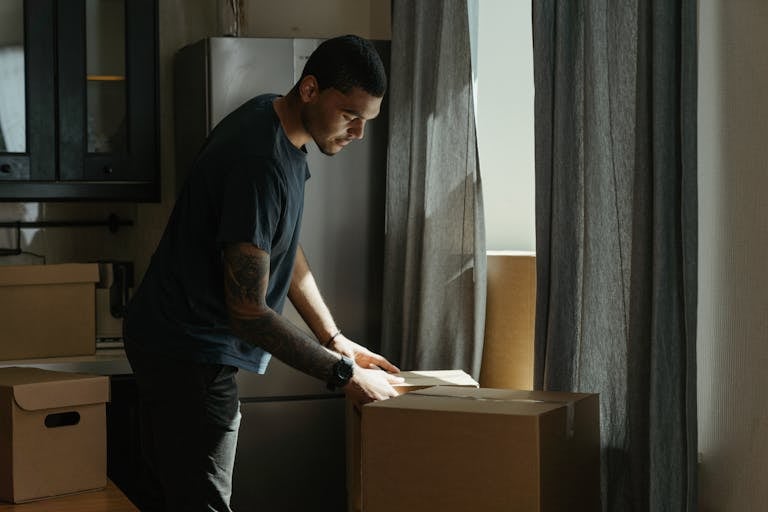
In a world where friendships can sometimes feel like burdens, an 18-year-old woman is at a crossroads that many can relate to. Let’s call her Sarah. For the past three years, Sarah has been in a difficult friendship with Daniel, a 20-year-old man battling bipolar disorder. This journey has twisted into a tangled web of emotional support, escalating anxiety, and overwhelming responsibility that makes Sarah question if cutting ties might be her only reprieve.

At the outset, Sarah always felt a sense of duty to be there for Daniel. He was more than just a friend; he was someone who had openly struggled with his mental health. With his highs and lows, Daniel frequently sought her out as a confidant, which began as a genuine show of friendship. Sarah appreciated her role as a supportive figure, especially since Daniel had been through turbulent breakups and disappointing job searches. The tension of his ongoing struggles, however, has turned their relationship from a friendship into what feels more like a full-time job.
From the beginning, Daniel’s challenges were evident. His romantic endeavors often ended in heartbreak, with girls leading him on before abruptly ending things. Each time, he found himself spiraling deeper into sadness, and who did he turn to? Sarah. While initially, she was happy to lend a listening ear, it seemed like a pattern was forming. Daniel would reach out, express his feelings, and then, much to Sarah’s dismay, threaten to unalive himself whenever he felt things were getting too hard to handle.
Over time, the weight of Daniel’s emotional baggage became heavier for Sarah. He had not only threatened his own life multiple times but had dragged his family into the mess as well. She contacted his family about his suicidal thoughts, hoping they could step in and provide the support he needed. Unfortunately, that gesture resulted in further complications. His father, overwhelmed by the emotional strain, lost his job due to excessive time off to care for Daniel. This, of course, only added fuel to Daniel’s fire of despair, making him feel even more responsible for his father’s misfortune.
As months turned into years, the situation escalated to a point where it was impacting Sarah’s life directly. He began calling her incessantly during her work hours, prompting Sarah to turn off her phone just to focus. When she didn’t answer, the texts would flood in: “Why won’t you answer? I need help!” The pressure mounted until a breaking point was reached. One day, in a moment of exasperation, Sarah asked Daniel, “Do you want me to lose my job like your dad did?” His response shocked her: “Yes.” It was akin to a punch to the gut; the realization that he would prefer her job – her financial stability – over his own ability to cope with his emotions left her with a profound sense of unease.
Despite the emotional toll, Sarah has remained steadfast in her role as Daniel’s support. However, the boundaries of friendship have become blurred. She started to feel more like a therapist than a friend, constantly managing his crises while her own life slipped to the backburner. And after nearly three years of this, the toll on her mental health became glaringly obvious. The persistent calls, the emotional blackmail to get her to respond, and the weight of his mental struggles were consuming her identity, leaving her exhausted and ready to wave the white flag.
Now, Sarah is contemplating cutting Daniel off entirely. It’s a decision that feels like a betrayal, yet she can’t shake the feeling that it might be necessary for her own well-being. After years of being there for someone who struggles with mental illness, she wonders if stepping back makes her a bad friend or simply a human being looking out for her own health. It’s a moral dilemma that weighs heavily on her heart.
As she grapples with her choices, Sarah is left wondering what the right path looks like. Should she continue to carry the burden of someone else’s emotional struggles at the cost of her own peace? At what point does being a good friend cross into unhealthy territory? As she drafts her questions to the internet, Sarah hopes that others might provide insights or share similar stories. It’s a struggle many face: balancing the needs of friends with the necessity of protecting one’s own mental health.
More from Cultivated Comfort:
- 7 Vintage Home Items From the ’60s That Are Collectors’ Dream Finds
- 7 Vintage Home Goods That Became Collectors’ Gold
- 7 Fast-Food Chains That Changed for the Worse
- 7 Frozen Dinners That Were Better Back in the Day

As a mom of three busy boys, I know how chaotic life can get — but I’ve learned that it’s possible to create a beautiful, cozy home even with kids running around. That’s why I started Cultivated Comfort — to share practical tips, simple systems, and a little encouragement for parents like me who want to make their home feel warm, inviting, and effortlessly stylish. Whether it’s managing toy chaos, streamlining everyday routines, or finding little moments of calm, I’m here to help you simplify your space and create a sense of comfort.
But home is just part of the story. I’m also passionate about seeing the world and creating beautiful meals to share with the people I love. Through Cultivated Comfort, I share my journey of balancing motherhood with building a home that feels rich and peaceful — and finding joy in exploring new places and flavors along the way.