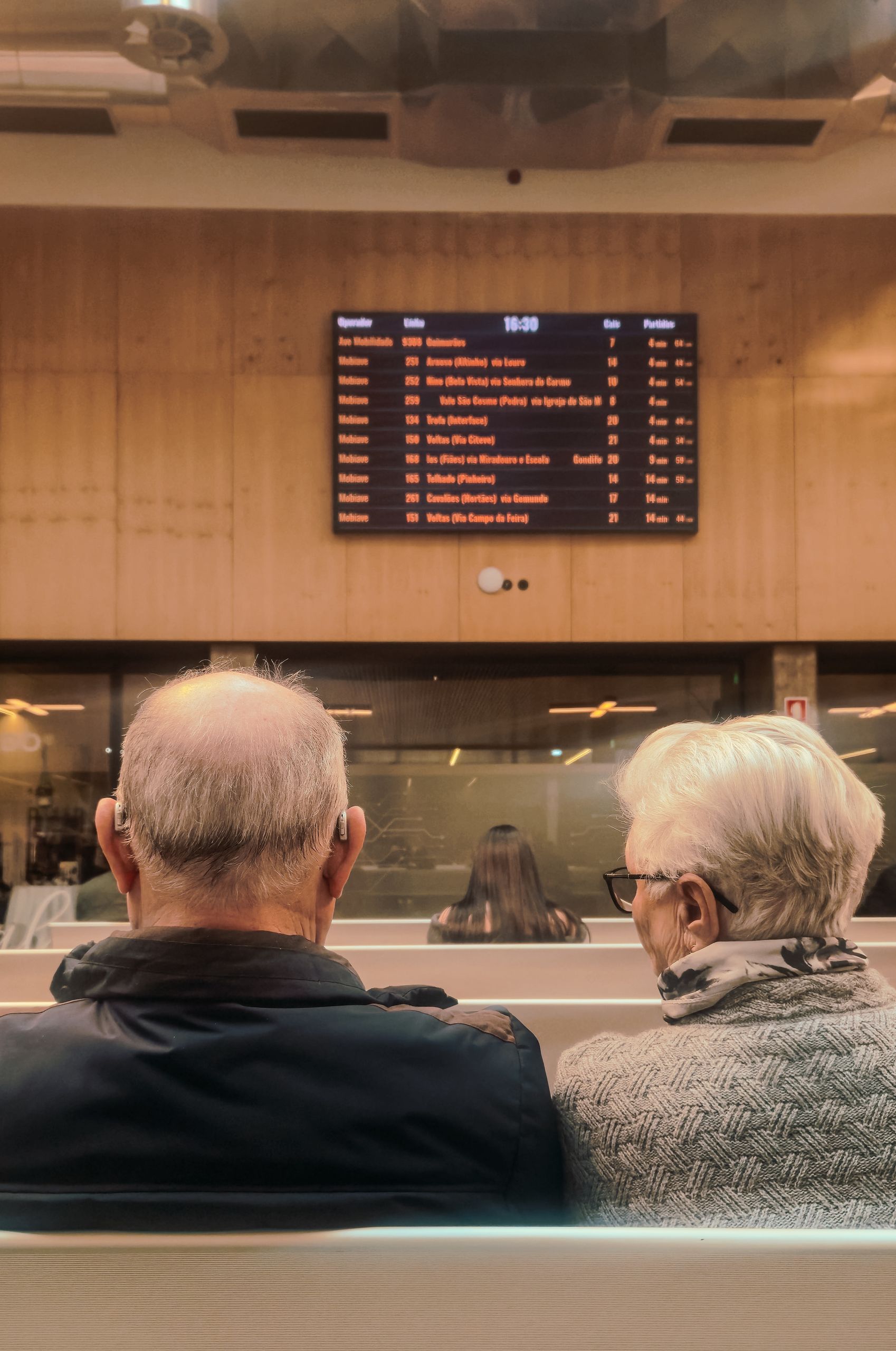
Sixty-six percent of working empty nesters took two or more short trips in the past year, according to a YouGov survey published in September 2026 that tracked how this group is actually spending its time and money. That data lands alongside a separate finding from AARP’s own 2026 travel trends report, which found that 64% of adults 50 and older expect to travel this year, planning an average of 3.9 trips, and that older Americans collectively spend more than $236 billion annually on leisure travel. The old script for this life stage said to slow down, downsize, settle in. The actual behavior looks almost nothing like that script.
What Empty Nesters Are Actually Booking
YouGov’s research, drawn from rolling surveys of U.S. adults conducted between September 2025 and August 2026, found beach vacations were the most popular trip type among working empty nesters at 59%, followed closely by sightseeing trips and getaways to lakes, mountains, and countryside settings, both around 50%. Most trips were short breaks rather than extended vacations, with the largest share of respondents taking two or three short trips over the year rather than one long one. Partners were the most common travel companion, cited by 59% of respondents, ahead of traveling with children or friends.

Money Isn’t the Obstacle It Used to Be, Even With Cost Pressure
AARP’s report found that 86% of adults 50 and older now consider travel a top discretionary spending priority, even as 45% named airfare costs their biggest concern going into the year. Carey Kyler, senior director of consumer insights at AARP Services, said in the organization’s own release that adults 50-plus are finding creative ways to keep exploring despite cost pressures, pointing to a near-doubling in the use of AI tools for finding travel deals, from 8% to 16% year over year, along with heavier use of loyalty points and discounts. Rather than traveling less in response to rising costs, this group appears to be getting more sophisticated about how it pays for the travel it’s already decided to prioritize.
Why the “Slow Down” Assumption Was Always Off
Part of what made the old assumption durable was that it matched an earlier generation’s actual retirement pattern, one built around fixed pensions, lower travel costs, and a cultural expectation that the sixties and seventies were for settling rather than exploring. Empty nesters today are working longer, have more disposable time freed up by adult children who’ve moved out, and came of age in a culture that normalized travel as a routine part of adult life rather than an occasional splurge. The habits didn’t disappear when the kids did. The newly available time and reduced household overhead just gave those habits more room to run.
How They’re Actually Getting There
The transportation and lodging choices in YouGov’s data also complicate the image of the jet-setting retiree. Sixty-seven percent of working empty nesters traveled by personal vehicle on their most recent trip, and 60% stayed in a hotel or motel rather than a vacation rental, while only 37% flew. That mix points to a travel style built around flexibility and proximity as much as adventure, road trips to a nearby coastline or mountain town, rather than exclusively long-haul flights to bucket-list destinations. Cleanliness and price topped the list of what these travelers prioritized when choosing a hotel, at 81% and 76% respectively, ahead of location or amenities, suggesting a practical, value-conscious approach even as overall trip frequency climbs.
Fewer Kids at Home Means More Room on the Calendar
Part of what’s driving the frequency, rather than just the willingness, to travel is simple scheduling math. A household built around school calendars, sports seasons, and a child’s social life has far fewer open weekends than one built around two working adults answering only to their own jobs. YouGov’s data reflects that shift in trip type: short breaks rather than single long vacations suggest a group taking advantage of open weekends as they appear, rather than planning around a single annual blackout period the way parents of school-age children typically have to. Empty nesters aren’t traveling more because they suddenly have more money. Many are traveling more because they finally have more Tuesdays and Saturdays with nothing else claiming them.
What the Data Suggests Going Forward
None of this means every empty nester is chasing a bucket-list trip around the world. The YouGov data shows a strong preference for shorter, closer, more frequent trips over rare, expensive ones, fitting a lifestyle built around ongoing exploration rather than a single retirement blowout. What the numbers do rule out is the idea that this life stage is a natural off-ramp from an active travel life. For a large share of empty nesters, it looks more like an on-ramp, with fewer scheduling conflicts, more disposable income relative to their obligations, and, according to two separate surveys now, an appetite that’s only grown.