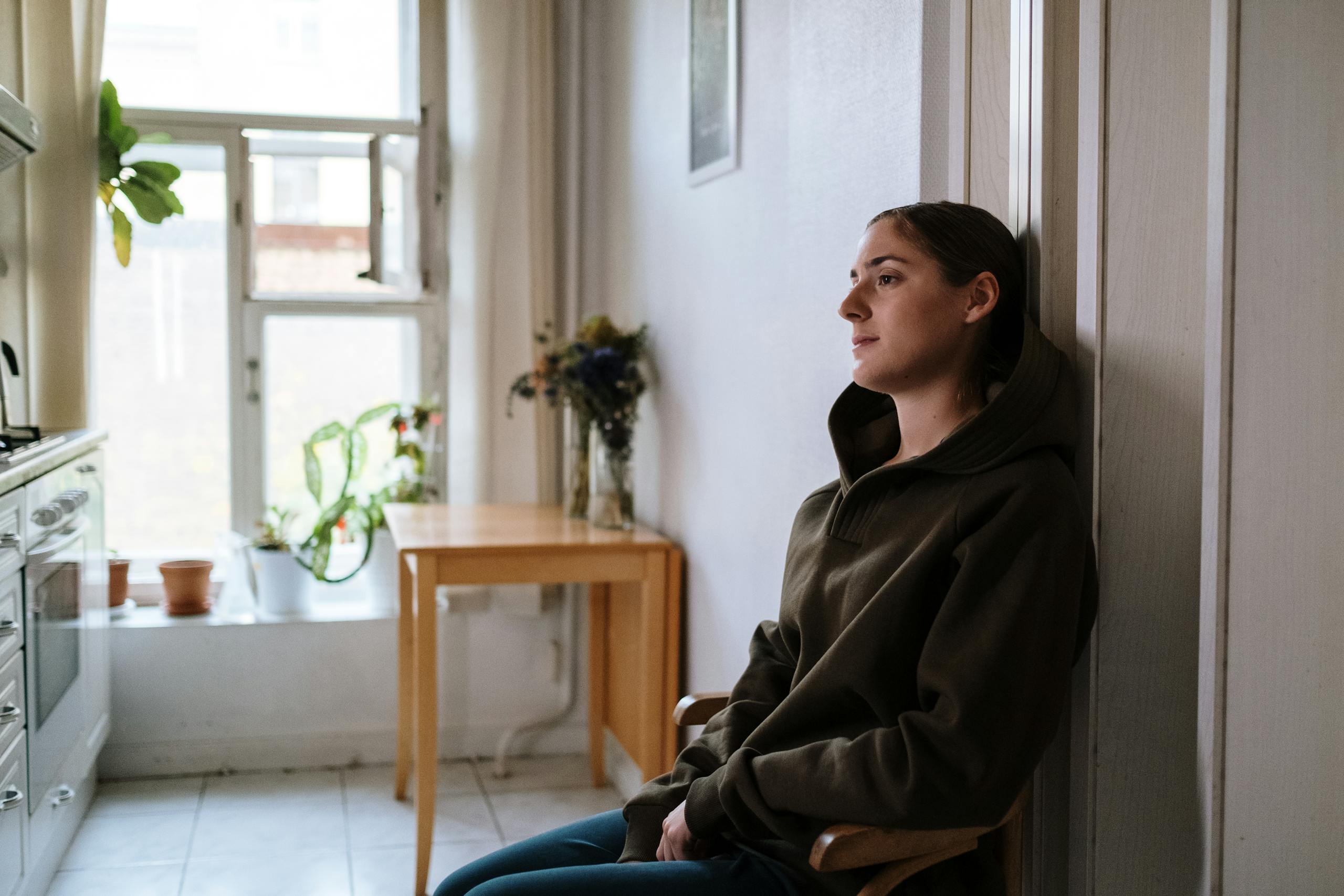
In a world where love and familial support seem to flow effortlessly for many, one adult’s struggles reveal the jagged edges of a different reality. This adult, who has spent 33 years grappling with the emotional fallout of living under the influence of two narcissistic parents, finally reached a breaking point. Cutting ties was imperative, but now, in therapy, they face a tangle of grief and anger that feels far more complex than it would for someone mourning a parent lost to death.

The unique burden of grieving living parents who were abusive is heavy. While society often rallies around those who lose loved ones, offering condolences, casseroles, and heartfelt support, this adult found themselves on the fringes, dealing with pain that is difficult for others to comprehend. “We don’t get the same support and casseroles,” they lamented, highlighting the loneliness of their experience. This disconnect left them feeling isolated, even alienated, from friends who had never known the kind of parental relationships marked by neglect and emotional harm.
As they reflected on their friendships, the stark contrast became glaringly evident. Their friends, often bubbling with the trivial complaints of daily life, seemed blissfully unaware of the deep scars that accompanied their struggles. Complaints about job stress or relationship hiccups felt trivial to someone who had survived years of psychological warfare at home. “They come to me for support, and I just can’t. I’ve reached my limit,” they shared, frustration evident in their words. There was a sense that they were playing the role of the empath, but it was exhausting; this had been their survival mechanism all along, one that others used like a crutch.
It wasn’t that this adult wanted their friends to suffer, quite the opposite. They genuinely wished for their friends to enjoy their supportive family structures and nurturing relationships. Yet, staring at their own empty relationships, they grappled with a growing resentment. How could these friends, raised in love and support, expect them to drop everything and help with what felt so inconsequential in the grand scheme of things? It made them feel disconnected, as if they existed on a different planet altogether, viewing the lives of their friends through the lens of their pain and experiences.
The adult’s isolation intensified when they recognized their emotional fatigue. As their friends vented about life’s small challenges, they felt anger bubbling up, an insidious tide against what they had silently endured for decades. “I see them as privileged, weak, entitled,” they admitted. The harsh judgments reflected not only their frustration but years of hidden wounds that felt re-opened each time they engaged in these conversations. It was as if their friends’ issues would highlight just how starkly different their own life experiences had been, deepening the chasm of understanding between them.
As the emotional burden grew heavier, the adult questioned the future of these friendships. Should they distance themselves from the people with seemingly perfect lives? It was a daunting decision, fraught with the fear of trauma bonding. “I’m scared of codependency,” they expressed, emphasizing a desire to connect with others based on shared interests rather than shared pain alone. There was a yearning for relationships that didn’t circle back to the traumas they were working so hard to process. Yet the pull of seeking out others who had faced similar darkness was strong, as if it could ground them in a way their current relationships couldn’t.
Ultimately, this adult found themselves at a crossroads, grappling with the fear of loneliness against the need for connection. They were caught in an emotional whirlwind—between the desire for understanding and the fear of over-identifying with those who had similar struggles. “I want to share values and interests,” they thought, but the concern lingered: Would every connection in their life now be shaped by trauma? It posed an unsettling question about the nature of friendship, support, and personal healing.
This adult’s story is a vivid illustration of the complexities that arise when navigating grief intertwined with past trauma. The struggle is not simply about the pain of toxic relationships but also about how the world perceives and validates those experiences. The absence of social support in their grieving process leaves a profound sense of alienation, raising the question of how to bridge the gap between their reality and that of others.
More from Cultivated Comfort:
- 7 Vintage Home Items From the ’60s That Are Collectors’ Dream Finds
- 7 Vintage Home Goods That Became Collectors’ Gold
- 7 Fast-Food Chains That Changed for the Worse
- 7 Frozen Dinners That Were Better Back in the Day