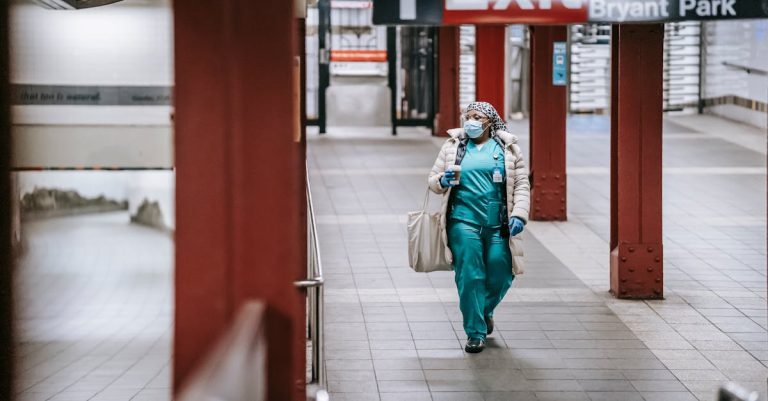
Isolation can feel like a never-ending maze, a confusing and difficult path littered with reminders of past hurts and fears. For many, including the protagonist of this story, navigating this overwhelming landscape is not just challenging—it’s exhausting. After years of estrangement from their family, they found themselves grappling with the loneliness that came with it, all while trying to find a new community that would offer the support and understanding they so desperately needed.
Growing up in a tumultuous environment where emotional neglect was the norm, it took time for them to understand the impacts of their upbringing. With each passing year, the realization of being isolated from family became clearer. Friends had drifted away, or they never truly felt secure enough to let anyone in. The realization hit hard: this wasn’t just social awkwardness; it was a deeply ingrained sense of isolation, a tactic that had been utilized by their family to maintain control.
As they struggled through their young adulthood, they recognized a pattern: the deeper they submerged themselves in isolation, the more challenging it became to reclaim any semblance of social normalcy. Every attempt to reach out felt like stepping on a landmine. One wrong move could trigger a flood of memories, feelings of inadequacy, or that all-too-familiar self-doubt that had been instilled in them from an early age. After countless experiences, they began to feel like a puppet, with invisible strings tied to their past holding them back.
Yet, the courage to break free started with the smallest steps. They threw themselves into self-discovery, seeking therapy and engaging with like-minded individuals online who had similar experiences. Slowly, they learned to articulate their feelings, gathering the strength to share their thoughts and emotions without fear. Each new conversation was both exhilarating and terrifying. What if they were met with judgment? What if they felt rejected again? These questions haunted them constantly.
As they navigated different online communities and forums, the protagonist stumbled upon specific groups dedicated to those who had faced similar familial struggles. It felt like they had finally found a safe space—a marked territory where they could be vulnerable without the constant weight of societal expectations. But the road to acceptance was not without its bumps. Some individuals in these groups exhibited their own unresolved traumas, and sometimes the conversations spiraled into negativity. It was a constant balancing act. Finding the right community was more than just a search for connection; it was a quest for healing.
Even with this progress, they oscillated between feelings of hope and the overwhelming desire to retreat back into solitude. There were days when connecting with others, even if online, felt like too much. They often found themselves overthinking interactions and interpreting every silence as rejection. The anxiety of navigating these new connections was palpable. “What if they really don’t want to hear from me?” or “Why would they care about what I have to say?” became mantras that echoed in their mind.
Eventually, they started to find people who resonated with their experiences. With time and patience, they found a few individuals who not only understood their struggles but also validated their feelings. Friendships began to flourish, albeit slowly. Moments of genuine connection ignited hope in their heart, and for the first time in years, they felt a flicker of belonging. But the journey was never a straight path; it was constantly fraught with challenges. Each time they encountered someone whose history mirrored theirs, mingled with vulnerability, they felt both relief and trepidation. How much of themselves could they share without being hurt again?
Every day was a reminder that finding the right community took time and persistence. Even though the journey felt isolating at times, they persisted in seeking out spaces that encouraged growth, understanding, and acceptance. It was exhausting—an emotional marathon—but they were determined to keep pushing forward. By sharing their experiences in various forums, they realized that their voice mattered and could help others feel less alone.
As they reflected on their progress, they felt a mix of emotions. The path ahead remained uncertain, yet the small victories in forming friendships offered a glimmer of optimism. Healing is not linear, and every step taken, every connection made, felt like a tiny revolution in their life. Being able to express that isolation didn’t have to be the end, but rather an invitation to seek something better—this realization marked a turning point.
In the end, while the scars of family damage remained, the journey of finding community was one filled with hope, resilience, and the promise of better days. They knew they could continue to brave the minefield, one step at a time.
More from Cultivated Comfort:
- 7 Vintage Home Items From the ’60s That Are Collectors’ Dream Finds
- 7 Vintage Home Goods That Became Collectors’ Gold
- 7 Fast-Food Chains That Changed for the Worse
- 7 Frozen Dinners That Were Better Back in the Day

As a mom of three busy boys, I know how chaotic life can get — but I’ve learned that it’s possible to create a beautiful, cozy home even with kids running around. That’s why I started Cultivated Comfort — to share practical tips, simple systems, and a little encouragement for parents like me who want to make their home feel warm, inviting, and effortlessly stylish. Whether it’s managing toy chaos, streamlining everyday routines, or finding little moments of calm, I’m here to help you simplify your space and create a sense of comfort.
But home is just part of the story. I’m also passionate about seeing the world and creating beautiful meals to share with the people I love. Through Cultivated Comfort, I share my journey of balancing motherhood with building a home that feels rich and peaceful — and finding joy in exploring new places and flavors along the way.