It starts the same way every year: the first real heat wave, the smell of sunscreen in the air, and then—whoosh—your garden beds turn into a soggy, chlorinated swamp. Meanwhile, next door, your neighbor is draining his pool like it’s no big deal, gesturing vaguely at gravity and saying, “It’s the only direction it can go.” If you’ve ever stood in your yard holding a limp tomato plant and wondering whether you’re allowed to be mad about water, you’re not alone.
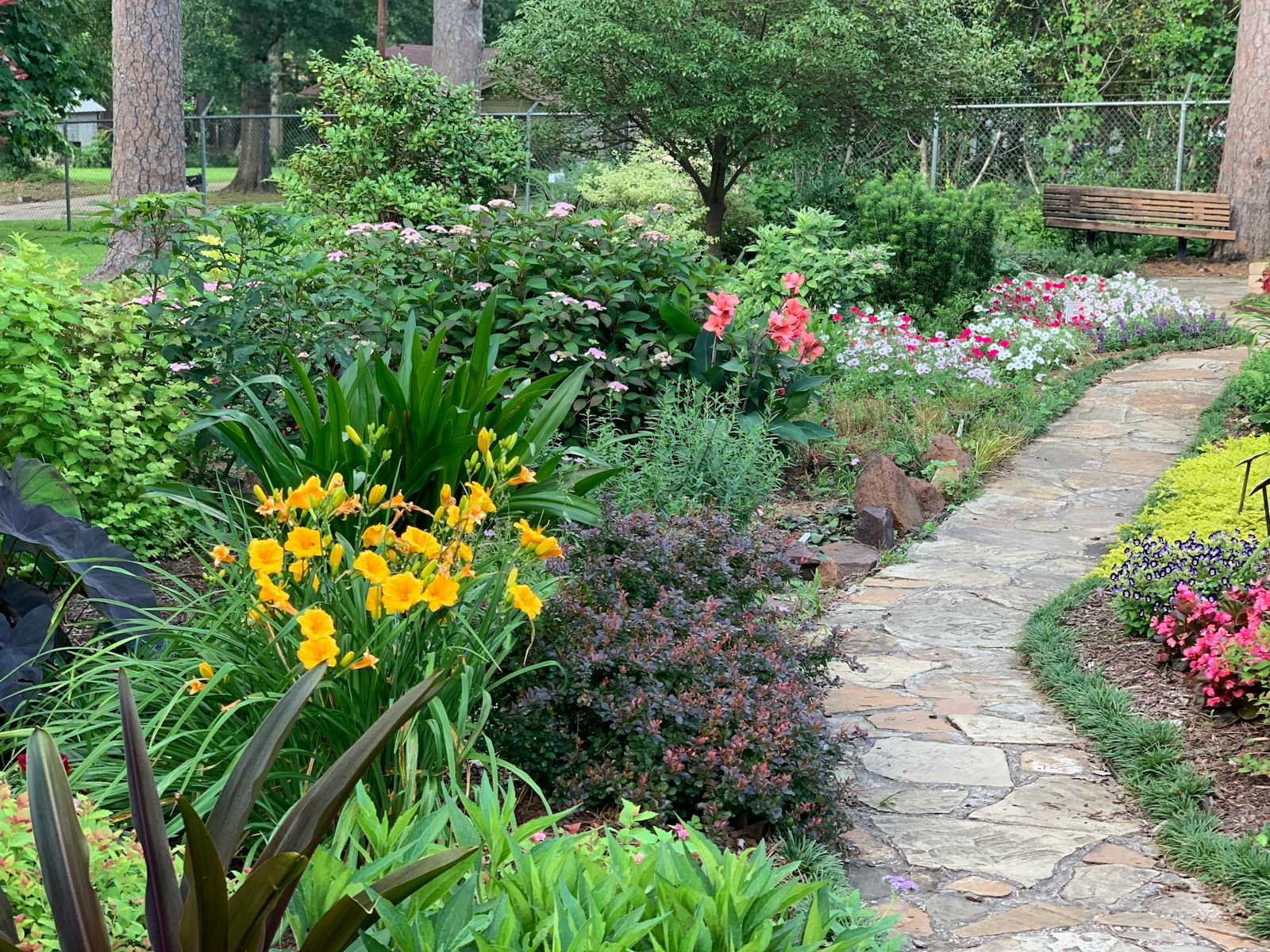
Across neighborhoods everywhere, homeowners are running into a surprisingly common warm-weather dispute: where pool water is allowed to go when it’s being drained or backwashed. It sounds simple until it isn’t, because “only direction it can go” often translates to “your property is convenient.” And convenience isn’t the same thing as legal, polite, or safe for your garden.
Why This Keeps Happening (and Why It Feels So Personal)
Pool maintenance is messy by nature. People drain water to lower levels, winterize (in some regions), fix chemical balance issues, or do big cleanouts after algae blooms. A lot of owners use a discharge hose and aim it downhill, because that’s the easiest option and it “looks” harmless.
But when that downhill path ends in someone else’s yard, it’s not just water anymore—it’s a problem delivered with force and frequency. Garden beds flood, mulch floats away, soil compacts, and roots suffocate. If the water carries chlorine, salt (from saltwater pools), or other chemicals, you can also see leaf burn, stunted growth, and long-term soil issues.
“The Only Direction It Can Go” vs. How Drainage Actually Works
Gravity is real, sure, but it’s not a permission slip. In many places, property owners are expected to manage stormwater and discharge water without causing harm to neighboring properties. The exact rules vary, but the basic idea is pretty universal: you can’t artificially concentrate water and send it onto someone else’s land just because it’s easier.
There’s also a difference between natural runoff and deliberate discharge. If your yards are graded in a way that naturally sheds rainwater, that’s one thing. Hooking up a pump or opening a drain line and sending thousands of gallons into a single spot is another—especially if it happens repeatedly every summer.
What’s in Pool Water, and Why Your Plants Hate It
Even “mostly clean” pool water isn’t the same as hose water. Chlorine and other sanitizers can irritate plant tissue, and repeated exposure can change the microbial life in soil. Saltwater pools add an extra twist: salt doesn’t just disappear, and it can build up, making it harder for plants to take up water even when the soil looks soaked.
Then there’s the physical damage. Fast-moving water erodes soil, exposes roots, and can collapse the tidy edges you’ve built up around beds. If you’ve ever watched your carefully spread compost float away like it’s trying to escape, you already know the heartbreak.
What the Rules Usually Say (Without Getting Too Legal-ese)
Most towns treat pool draining as a regulated discharge in one way or another, even if enforcement is hit-or-miss. Some municipalities require pool water to be drained into a sanitary sewer cleanout, a designated drainage system, or onto the owner’s property in a way that doesn’t cause runoff to neighbors. Others allow street discharge only if the water is dechlorinated and doesn’t flow across sidewalks or create hazards.
Homeowners associations sometimes have additional rules, and some areas have environmental restrictions that kick in if water enters a storm drain (which can lead straight to local creeks). Translation: your neighbor’s “only direction” argument may be more of a personal philosophy than an actual policy. A quick check of your city or county website can be surprisingly clarifying.
First Moves That Don’t Start a War Over the Fence
If you want the highest chance of fixing the issue without a months-long cold war, start with calm specifics. “When you drain the pool, the hose sends water into my raised beds and it floods them for hours” is harder to dismiss than “You always ruin my yard.” People respond better to concrete details, especially if they didn’t realize how much water was crossing the line.
It also helps to show, not just tell. A short video of the discharge running into your garden, plus a few photos of the aftermath, makes it real without being dramatic. You’re not trying to build a courtroom case on day one, but having a clear record tends to keep the conversation grounded in facts.
Practical Alternatives Your Neighbor Can Use (Yes, They Exist)
In many situations, the fix is annoyingly simple: redirect the hose to a location on their own property where the water can spread out and soak in without running off. A longer discharge hose, a different outlet angle, or a simple diffuser can prevent the “firehose effect” that chews up soil. If the yard is tight, draining in smaller stages over several hours or days can dramatically reduce runoff.
Some owners use dechlorination methods (like letting water sit before discharge or using a neutralizer) when local rules require it. Others route water to an approved sewer connection, depending on municipal guidelines. The point is, “only direction” often really means “only direction I’ve tried so far.”
How to Protect Your Garden Beds in the Meantime
While the long-term solution should be stopping the discharge, you can do a little defensive gardening too. Creating a shallow swale, adding a small berm, or reinforcing bed edges with stone can reduce erosion if water shows up again. Even a temporary barrier like sandbags (not cute, but effective) can steer water away from the most vulnerable plants.
If you suspect chlorine or salt exposure, flush the affected area with clean water once the flooding stops—ironically, more water can help dilute residues. You can also remove and replace the top layer of damaged mulch or soil in the worst spots. It’s not fair that you’re doing extra work, but it can save a season’s worth of growth.
When a Friendly Chat Doesn’t Work: Document, Then Escalate
If the neighbor shrugs you off or keeps doing it, start tracking dates, times, and impacts. Keep photos of standing water, soil washout, and plant damage. If you can capture the hose placement and direction from your side of the property line, that’s helpful too.
Next steps typically include contacting your HOA (if you have one) or your city’s code enforcement or stormwater department. Many local offices will tell you exactly what’s permitted and what isn’t, and some will send an inspector or a warning letter. It’s not about “getting them in trouble” so much as getting the situation handled by the people whose job is literally water going where it shouldn’t.
Why This Issue Is Bigger Than One Backyard
Neighborhood drainage fights are becoming more common as extreme rain events increase and yards get reworked with patios, pools, and hardscaping. When one property changes how water moves, everyone downhill feels it. Pool draining is just one of those flashpoint moments where the impact is obvious and immediate—like a surprise water feature you didn’t ask for.
And honestly, it’s a good reminder that most “small” home maintenance choices aren’t actually contained to one lot. Water doesn’t respect fences. It respects physics, pipes, and the people willing to take responsibility for where it ends up.
What a Reasonable Resolution Looks Like
In the best-case version of this story, your neighbor adjusts the discharge method, maybe invests in a longer hose or drains in stages, and you stop watching your basil drown every July. You don’t have to become best friends; you just need a new routine that doesn’t treat your garden like a drainage basin. A little cooperation goes a long way—especially when the alternative is you standing outside in rubber boots, staring at a flooded bed, wondering why summer has to be so wet.
If you’re dealing with this right now, the key is staying factual, staying calm, and pushing for a solution that keeps the water on the property it came from. Gravity may be inevitable, but where a pool gets drained? That part is a choice.
More from Cultivated Comfort:
- 7 Vintage Home Items From the ’60s That Are Collectors’ Dream Finds
- 7 Vintage Home Goods That Became Collectors’ Gold
- 7 Fast-Food Chains That Changed for the Worse
- 7 Frozen Dinners That Were Better Back in the Day

As a mom of three busy boys, I know how chaotic life can get — but I’ve learned that it’s possible to create a beautiful, cozy home even with kids running around. That’s why I started Cultivated Comfort — to share practical tips, simple systems, and a little encouragement for parents like me who want to make their home feel warm, inviting, and effortlessly stylish. Whether it’s managing toy chaos, streamlining everyday routines, or finding little moments of calm, I’m here to help you simplify your space and create a sense of comfort.
But home is just part of the story. I’m also passionate about seeing the world and creating beautiful meals to share with the people I love. Through Cultivated Comfort, I share my journey of balancing motherhood with building a home that feels rich and peaceful — and finding joy in exploring new places and flavors along the way.