Filipinos have a soft spot for siomai, the steamed pork dumpling that shows up on street corners, in mall food courts and on white-tablecloth dim sum carts alike. Food vlogger @remyeats decided to find out whether paying more actually buys a better bite.
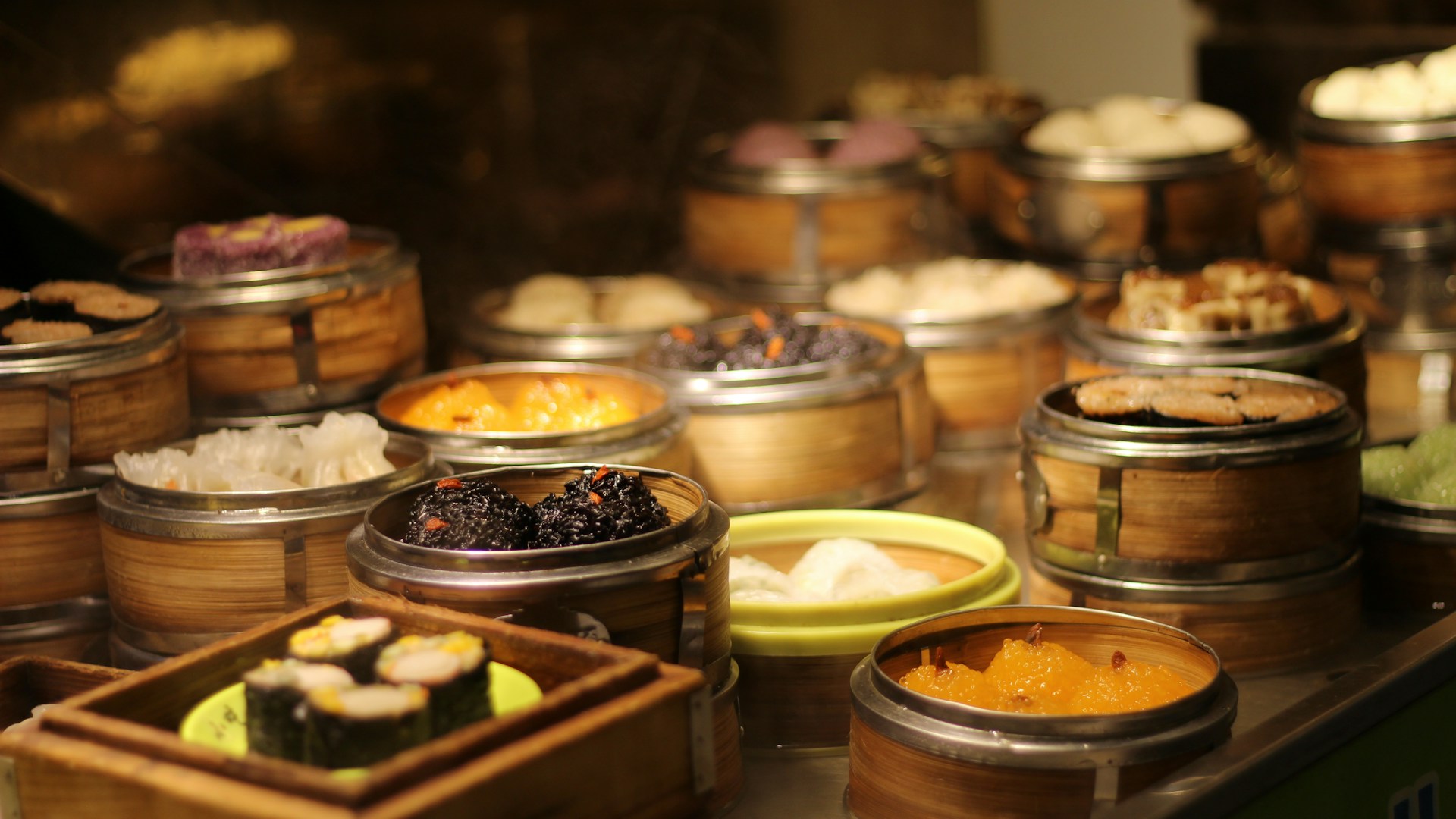
He ate more than 35 pieces across nine different stores, with prices running from ₱12 all the way up to ₱610. He rated each one on taste, texture and value for the price, and says siomai is his specialty. As a half Filipino, half Chinese kid who grew up on a lot of Chinese food, he calls himself “born to do this.”
A ₱12 Street Cart In San Juan Set The Bar Before The Fancy Stuff Even Started
His first stop was a street cart in San Juan run by a man named CJ, who bought his own cart to sell siomai at ₱12 a piece. The dumplings were pretty standard, he says, and filled with lots of pork.
He expected a cheap dumpling to be stuffed with fillers, but “no,” he says. There was a lot of pork and meat inside. Customers add their own chili sauce and extra garlic on top, which he says adds a lot more flavor, and he warns it gets a bit spicy.
It is not super tasty, he admits, and a bit more salt would help, but it is “tasty enough to get you by.” His verdict on the ₱12 siomai was blunt: “Absolutely worth it.”
Four Stalls Went Head To Head And The Chili Sauce Nearly Decided The Winner
Next came what he called siomai stall wars. Master Siomai and Siomai House were ₱60 each, Hen Lin was ₱79, and Dex was ₱190 for six pieces.
Hen Lin’s was a classic siomai without too many fillers, though he did not care for its chili sauce because it was not spicy at all. Master Siomai piled on the chili, but he liked Hen Lin a lot better. Its siomai was softer and had less bite, and Hen Lin also won on taste.
Siomai House, which TikTok had billed as the best stall around, had better texture than Master Siomai in his view, but it was still a no for him. Dex gave him three kinds to try: century egg, chicken, and pork and shrimp. The century egg version was mushy with an earthy taste and more flavor than a regular siomai, while he did not like the chicken one at all.
The pork and shrimp siomai was underwhelming. It was mushy all the way through, and he says he did not even taste the shrimp. In the end he picked Hen Lin as the best of the four and said a better chili sauce might have won it the whole contest.
A Huge ₱60 Siomai Scored Just 4.5 Out Of 10 Because Of All The Filler
Then he moved on to restaurant-style siomai, asking whether the sit-down version is worth the extra money. One original-recipe siomai at ₱60 was enormous, and he even tried a one-bite challenge with it.
The size and the generous filling impressed him, but he says you can really feel the flour and fillers around the meat. It tasted pretty decent, with some umami, yet it turned mushy. He gave it “a four and a half out of 10” and added, “Yes, I am brutal.”
At King Chef, a popular Chinese chain restaurant in Manila that a Philippine dining site had listed among the top three siomai, the meat was mixed together into a very firm, dense texture. He found the taste a bit lacking, could still taste the wrapper, and called it just okay.
Another restaurant stop, where he waited about 10 minutes, turned out much better. The siomai arrived steaming hot, with rich minced pork, plump shrimp and a bit of juice from the diced pieces. He called it “some really good siomai” and said it was still good even after he had already eaten about 20.
The ₱610 Buddha Siomai Looked Like Royalty But Tasted Like An Ordinary Dumpling With Toppings
The finale was what he called the boss level: ₱610 for four pieces of Buddha siomai at Summer Palace on EDSA, loaded with scallops and tobiko on top. Underneath, he found, it was a regular siomai.
It was good, he says, with no hint of MSG so you taste the siomai itself, but it was a bit underwhelming. Compared with the others, some had a really strong pork taste and some had a stronger shrimp and umami flavor, while this one was very clean tasting. Better ingredients explain the price, in his view, but the taste is what you would expect from an ordinary siomai with extra toppings.
His overall winner was a siomai from a place he calls Tika, at roughly ₱200. He described it as a xiao long bao and a siomai combined, with much more umami and flavor, and said he loved it very much.
What To Look For Before You Spend More On Dumplings
His results line up with a simple rule of thumb for anyone hunting for good dumplings: price and quality do not always rise together. A cart that puts real meat in the wrapper can beat a pricey plate whose main selling point is the garnish.
- Check the filling first. Meat that tastes of pork, not flour, is the sign of a dumpling worth paying for.
- Judge the wrapper. A soft, thin wrapper lets the filling come through, while a doughy one can hide fillers.
- Do not skip the sauce. Chili and garlic can lift an average dumpling, and a flat sauce can drag down a good one.
- Compare value, not just price. A ₱12 siomai that is big and meaty can feel like a bigger win than a ₱610 plate of four.
He closed by asking viewers for their own opinions, and the takeaway is hard to miss. The humble ₱12 cart held its own against stalls charging five times as much, and he says it was the one that was so big for the price that he did not expect it.
Compared with places like Master Siomai, he says, the ₱12 street-cart dumpling was just so much more worth it.
More Stories You May Like
- Food Vlogger Tries A Two Month Old Seattle Thai Restaurant Inspired By Bangkok’s Chinatown Where The Boat Noodles Come With Four Kinds Of Pork And Fish Sauce Wings
- Olo Launches an Ordering App Promising Lower Prices Than Delivery Apps by Dodging Commissions Said to Reach 30% but It Adds a 5% Fee
- YouTubers Eating At Random Cookeville Tennessee Food Trucks For A Day Say Nothing Was Bad From A Potato Stuffed With Mac And Cheese To A Surprise Filipino Spot