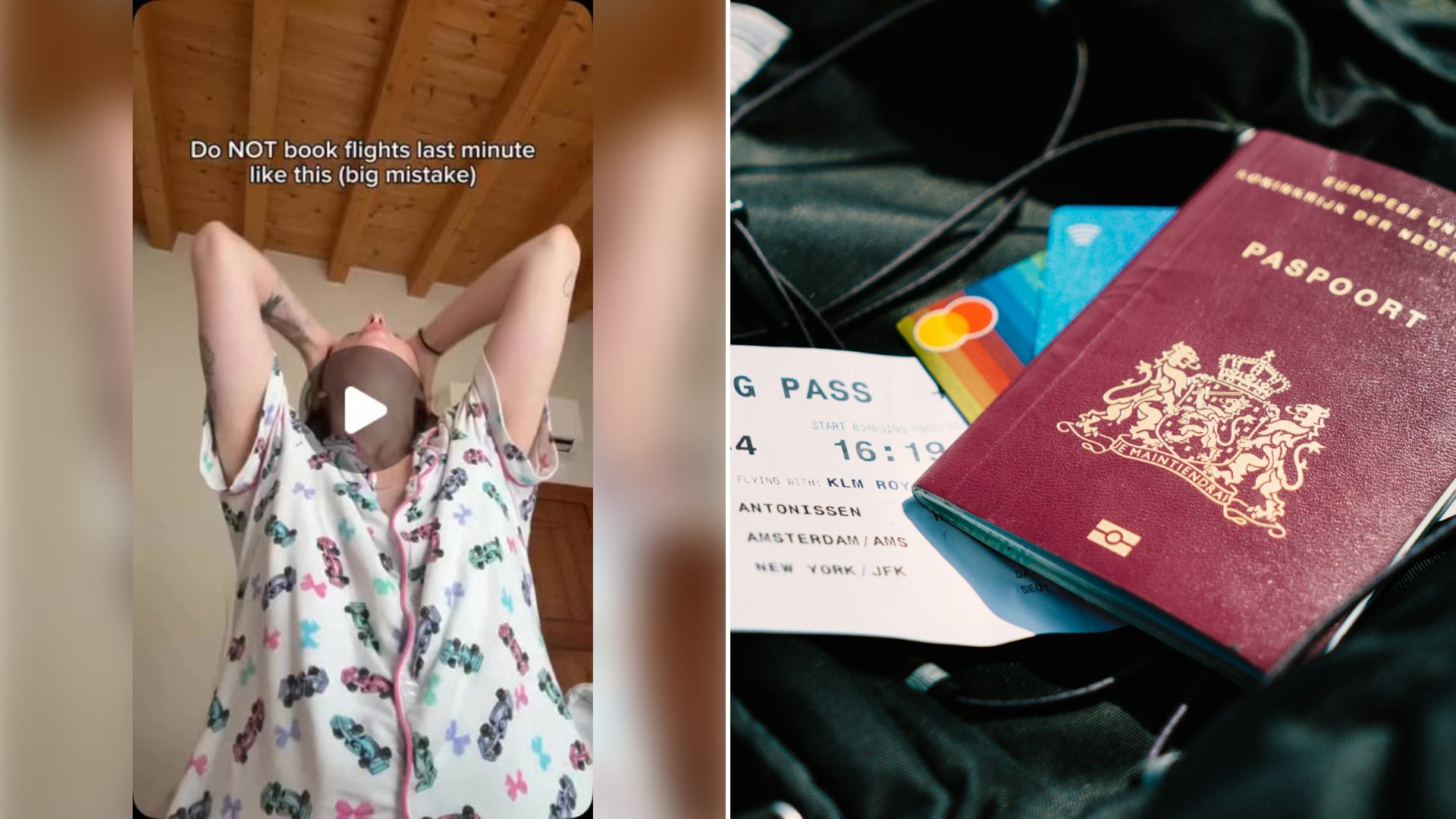
A former flight attendant turned travel creator, @naynay.flightsavings, opens her Instagram reel with a warning aimed at the way most people book flights: waiting until the last minute. Drawing on her years working on planes, she argues that last minute booking is one of the most common and most costly habits travelers fall into, and she uses the video to share some of the flight savings habits she leaned on regularly during her time in the airline industry.
Because she worked on the inside of the airline industry, her perspective carries a different kind of weight than the usual budget travel advice, and her reel focuses on the broader booking mindset that she says separates people who consistently pay too much from people who do not.
The gap between a flight booked months out and the same flight booked days before departure is one of the most consistent patterns in airline pricing. Carriers rely on dynamic pricing systems that raise fares as a flight fills up and as the departure date gets closer, which means the cheapest seats on almost any route are typically sold off first, long before the last minute shopper ever sees them.
Airlines also use last minute pricing to capture business travelers and emergency trips, two groups of flyers who have little choice but to pay whatever fare is left close to departure. That is a major reason last minute tickets so often carry a noticeably higher price tag than the same seat would have cost weeks earlier, regardless of the specific route or airline.
Former airline employees frequently point to a similar set of habits for avoiding that last minute markup: booking well in advance whenever travel dates are flexible, staying alert to fare drops rather than assuming a price is fixed once it is quoted, and treating midweek travel days as the most reliable way to find a lower fare since weekend departures and returns tend to be the most in demand.
Flexibility with airports and nearby travel dates can matter just as much as how far ahead someone books. Checking a neighboring airport or shifting a trip by even a day or two can sometimes turn up a meaningfully cheaper fare, since pricing is set route by route and date by date rather than applying evenly across an entire region.
The bigger lesson from this reel is less about any single trick and more about the mindset shift this creator is pushing: treating flight booking as something to plan for in advance rather than something to scramble through at the last minute, which is the habit she says cost travelers the most money when she watched it happen from the other side of the counter.
More from Cultivated Comfort
- 6 Travel Habits That Make You ‘That Couple’ on a Trip, According to Flight Attendants
- Pilot’s Wife Says Southwest Messaged Her After a Welcome Home Video and Asked if She and Her Daughter Wanted to Surprise Him on His First Trip After Training
- 5 ‘Hidden Gem’ Travel Towns Locals Say They Wish Tourists Would Stop Visiting