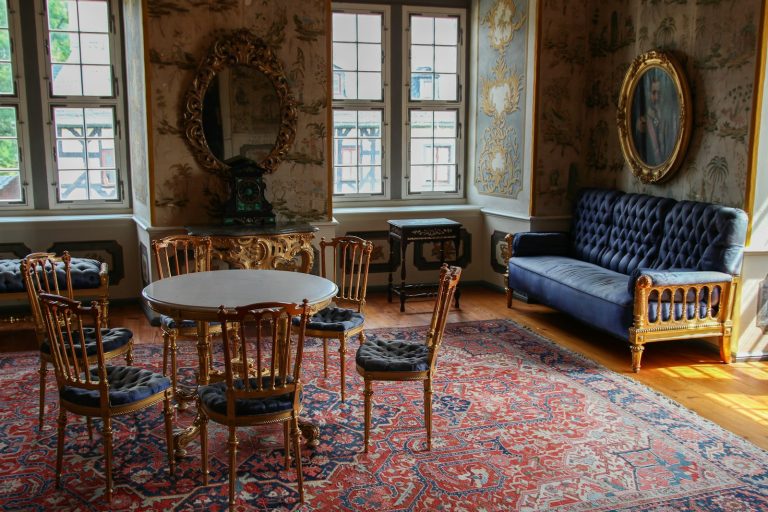
If you’ve ever wanted to step inside the mind of Frank Lloyd Wright, touring his houses is the best way to do it. There are several Wright-designed homes across the U.S. that welcome visitors, letting you explore his unique style and philosophy up close. From iconic structures to lesser-known gems, these tours offer a rare chance to see architectural history come alive.
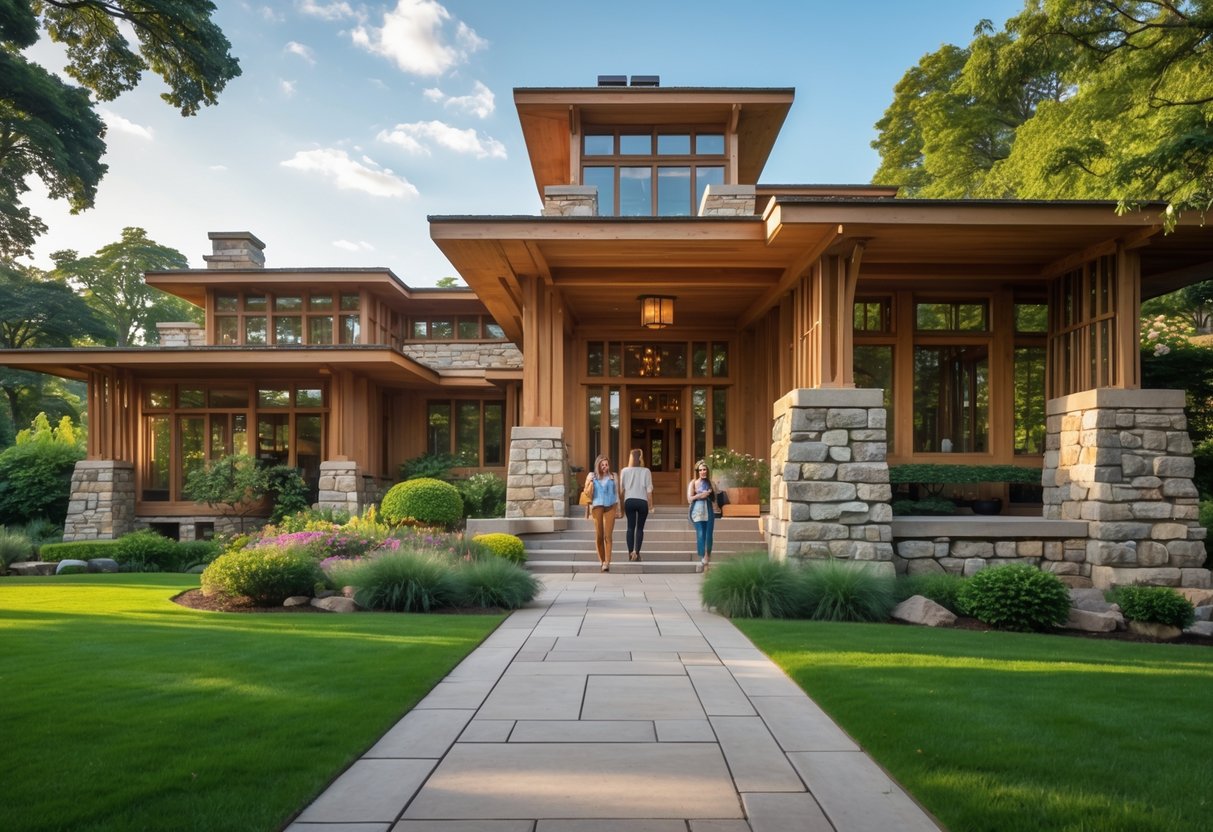
You can visit places like the Rosenbaum House in Alabama or explore several homes in Pennsylvania’s Laurel Highlands. Whether you’re a design enthusiast or just curious, these tours give you a hands-on way to experience Wright’s work beyond books and photos.
Must-See Frank Lloyd Wright Houses You Can Actually Tour
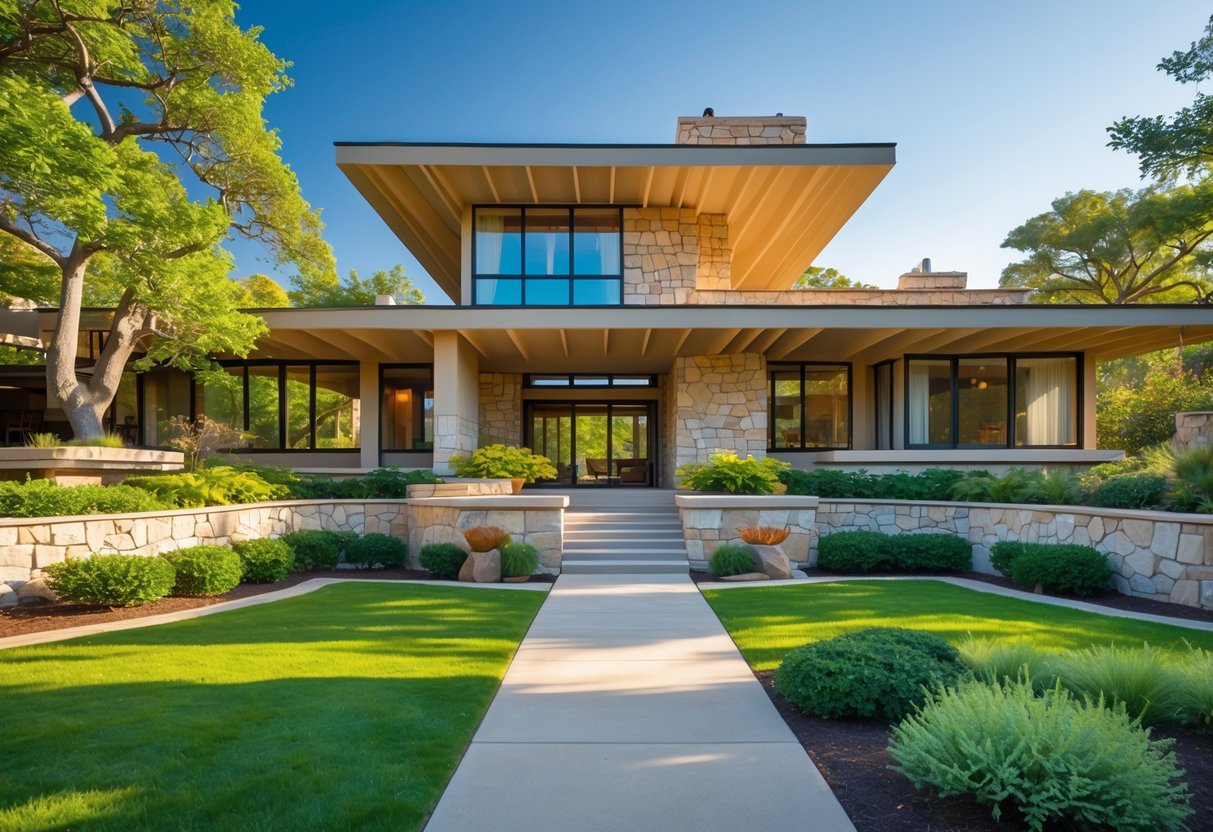
You can explore some of Wright’s most famous works while getting a sense of his architectural innovation. These places give you the chance to walk through designs that blend nature, light, and structure in unique ways.
Fallingwater
Fallingwater is probably Wright’s most iconic home. Built over a waterfall in Pennsylvania, the house perfectly integrates with the surrounding forest and streams. You’ll notice the bold use of cantilevered terraces that extend over the water, giving it a natural, almost floating feel.
Tours let you see Wright’s attention to detail, from built-in furniture to the way natural light moves through the rooms. The site also offers guided hikes nearby, so you can appreciate the landscape Wright designed the house to complement.
Taliesin West
Located in Arizona, Taliesin West was Wright’s winter home and school. The home uses desert stones and local materials which makes it blend with the arid landscape. When you visit, you’ll get a strong sense of how Wright adapted his designs for different climates.
The complex includes living spaces, studios, and a theater. Tours often highlight Wright’s teaching legacy and his hands-on approach. The natural light and open-air design make it a striking place to experience his work up close.
Unity Temple
Unity Temple in Oak Park, Illinois, is one of Wright’s best-known public buildings. Completed in 1908, it’s a bold design using concrete in ways uncommon at the time. You’ll see Wright’s early exploration of geometric shapes and innovative use of light through stained glass.
Tours focus on its function as a community space and how Wright’s design supports gathering and worship. The building’s compact, blocky form feels very modern, reflecting Wright’s break from traditional church architecture.
Hollyhock House
Hollyhock House sits in Los Angeles and shows Wright’s take on combining architecture with native Californian plants—especially the hollyhock, which inspired many design elements. Its strong horizontal lines and ornate concrete blocks make it stand out compared to Wright’s other homes.
When you visit, you’ll see how Wright mixed indoor and outdoor living spaces. The house has a unique, almost sculptural quality with relief patterns on the walls. Tours often point out the influence of Mayan and Japanese styles on this unusual design.
Tips for Touring Wright’s Architecture
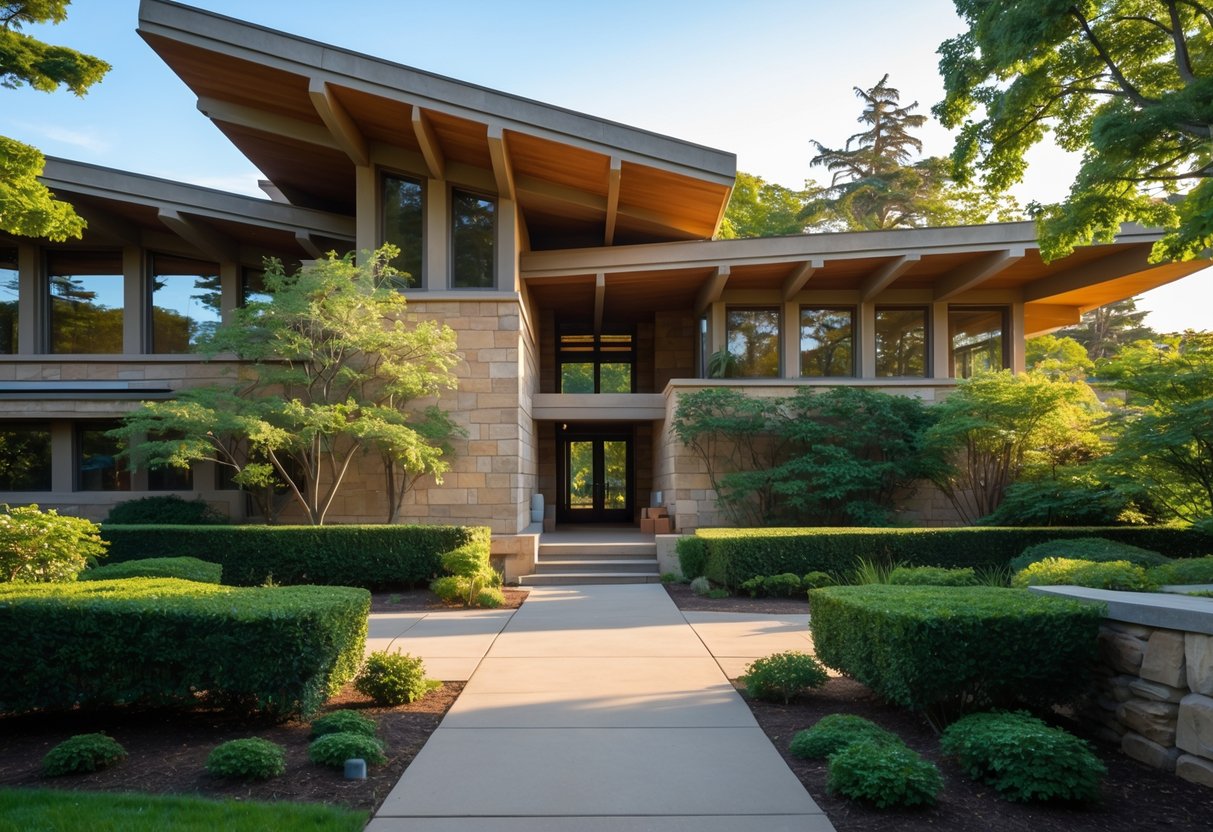
Timing your visit, securing your ticket ahead of time, and knowing what to expect can make your trip smoother and more enjoyable. These practical details will help you get the most out of seeing Frank Lloyd Wright’s unique homes.
Best Times to Visit
You’ll find fewer crowds on weekdays, especially in the mornings right when tours start. Many Wright homes close on Tuesdays or Wednesdays, so check individual site schedules before planning.
Spring and fall are great seasons for your visit since the weather is milder and the surrounding gardens or landscapes might enhance your experience. Summer tends to be busier and hotter, especially at popular spots like the Robie House in Chicago.
If you want to see interiors without much distraction, aim for off-peak hours or book tours early in the day. Some homes may have special evening tours in warmer months, offering a different perspective on Wright’s design.
Booking Tours in Advance
Almost all Wright homes require tickets for guided tours, and these often sell out fast, especially on weekends. Booking online before you go guarantees your spot and can sometimes save you money.
Prices vary but expect to pay around $20 for most interior tours, like the Robie House. Some locations also offer combined or group tickets if you plan to visit multiple homes.
If you’re driving between sites or doing a self-guided tour, check if you need separate tickets for admission or just for guided access. Being prepared means no last-minute waiting or cancellations.
What to Expect During Your Visit
Most tours last between 45 minutes and 1.5 hours and focus on Wright’s architecture, design philosophy, and historical context. Guides often share anecdotes about Wright’s life and the building’s unique features.
Photography rules vary: some interiors allow photos without flash, but many don’t allow photography at all to preserve delicate materials. Make sure to ask before snapping pictures.
Wear comfortable shoes since you may be walking on stairs, uneven floors, or around gardens. Some homes have limited accessibility, so check ahead if you have mobility concerns.
Tours are generally small to keep the experience personal and protect the property, so listen closely and don’t be afraid to ask questions.

As a mom of three busy boys, I know how chaotic life can get — but I’ve learned that it’s possible to create a beautiful, cozy home even with kids running around. That’s why I started Cultivated Comfort — to share practical tips, simple systems, and a little encouragement for parents like me who want to make their home feel warm, inviting, and effortlessly stylish. Whether it’s managing toy chaos, streamlining everyday routines, or finding little moments of calm, I’m here to help you simplify your space and create a sense of comfort.
But home is just part of the story. I’m also passionate about seeing the world and creating beautiful meals to share with the people I love. Through Cultivated Comfort, I share my journey of balancing motherhood with building a home that feels rich and peaceful — and finding joy in exploring new places and flavors along the way.