Fifteen years is a long time to keep your feet on the ground. In a short post from creator @jillgotatiktok, a grandmother with flying anxiety takes her first flight in 15 years, with family beside her coaxing her along. The caption cheers “Go grandma!” and celebrates “beating anxiety’s butt,” and the hashtags include #southwestairlines, #grandmasoftiktok and #anxiety.
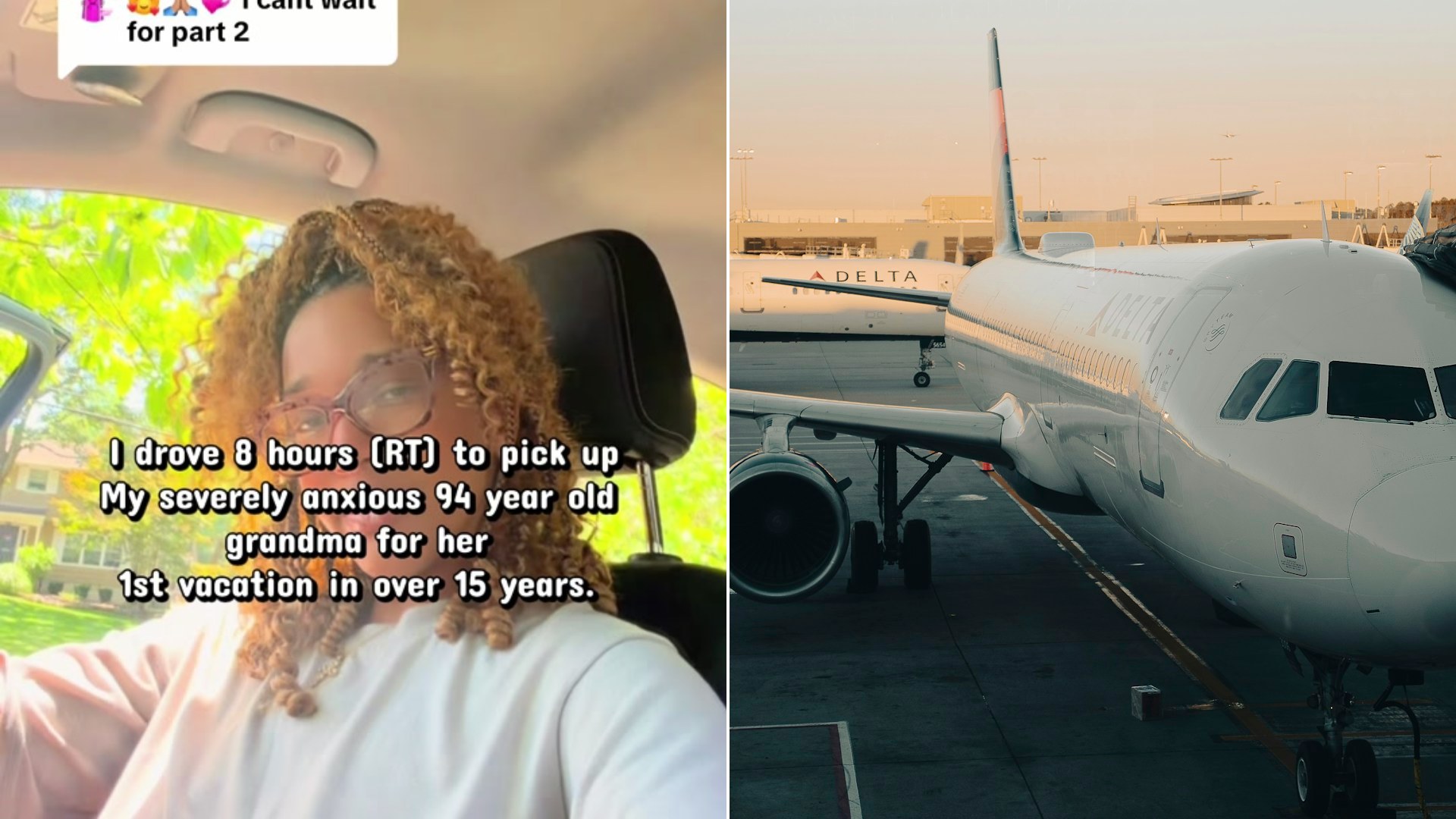
The post is a reply to a follower, and the audio is short and a little hard to follow, so this account keeps to what can be heard and read.
@jillgotatiktok
What we can hear
The voices around her are upbeat and encouraging. Someone tells her to say “vacation,” and adds that she has to be excited. Another voice says that she looks like she is enjoying herself. A family member then announces that it is her first flight in 15 years and asks how she is feeling. Her answer is a simple “okay.” Later, someone thanks her for coming along and asks whether it was really that bad. Her reply is hard to make out, but the cheerful tone around her says it all.
That is not a lot of detail, and it does not need to be. The scene shows the kind of support that nervous travelers value most: people who stay close, keep the mood light and treat the flight as a vacation that starts at the gate and not a test to be endured.
Why a first flight after a long break feels so big
Fear of flying is common, and it is rarely about one thing. For some people it is the feeling of being out of control, for others it is turbulence, tight spaces or the noise of takeoff. When someone has not flown for 15 years, that fear can grow because there is no recent good experience to point to, and the airport itself has changed. Security lines, mobile boarding passes and self-service kiosks are very different from a decade and a half ago, and that adds its own stress for older travelers.
The encouraging news is that anxiety about a specific situation responds well to practice. The Mayo Clinic’s page on specific phobias describes exposure therapy, which means gradually and repeatedly facing the feared situation, as the best treatment for those fears. It also says cognitive behavioral therapy can help people reframe worries and tolerate discomfort, and that relaxation methods such as deep breathing, muscle relaxation or yoga can ease the physical symptoms. It cautions against avoiding a feared situation completely and suggests facing it gradually with support from family and friends. Medicines are sometimes used for short-term anxiety before flying, but those are decisions for a doctor, and the page notes that some carry risks, so that conversation should happen well before the travel date.
In other words, the grandmother in this post did something that medical experts recommend: she faced the fear, with family nearby, and it turned out to be less bad than she expected.
Tips for a nervous flyer, and the family that comes along
If you or a loved one has been grounded by worry, these steps can make a first flight in years smoother.
- Choose a short, direct flight. A first trip back is easier without a connection. The fewer takeoffs and landings, the fewer moments of worry.
- Pick a seat that suits the nerves. Some people like an aisle seat for freedom to stand and stretch, others prefer a window to see what is happening. A seat over the wings tends to feel steadier.
- Arrive early and take your time. Rushing is a major source of stress. Give yourself time for security, a snack and a slow walk to the gate.
- Tell the crew. Flight attendants are used to nervous passengers. A quiet word at the door lets them check in on you.
- Bring familiar comforts. A book, headphones, hard candy, a puzzle or a favorite playlist give your mind something to do during takeoff.
- Learn the sounds. Engine changes after takeoff, the landing gear and the flaps all make noises that can alarm first-timers. A family member who has flown recently can explain what is normal.
- Practice slow breathing. A simple pattern, in for four counts and out for six, can calm the body when the plane starts to move.
- Plan something to look forward to. Her family kept the focus on the vacation, and that is a smart approach. Having a destination to talk about gives everyone a shared goal.
For relatives traveling along, the best help is usually calm company. Avoid statistics lectures at the gate, since a frightened person usually cannot be talked out of a feeling. Instead, stay close, keep your voice steady, and follow her lead on whether to talk, laugh or sit quietly.
The point of a trip like this
Much of the joy in a post like this comes from the ending. After all those years, the grandmother is thanked for coming along and asked if it was so bad after all. Even without a clear answer, the message is that she did it, and she will be able to do it again.
That matters for grandparents in particular. Staying home can quietly shrink a life, from missed weddings and graduations to birthdays far away. One successful flight can open all of that back up. If there is a grandparent in your family who has been saying “I just can’t fly anymore,” this story is a gentle nudge: start small, bring company, and let the first trip be about the vacation.