
Every family has that one member who seems to excel at nitpicking, and for many, that member is often a grandparent. In this case, the spotlight shines squarely on a grandmother who loves her family but has an interesting way of showing it. Her nitpicking tendencies are well-known, and they often leave her loved ones feeling as if they’re walking on eggshells.
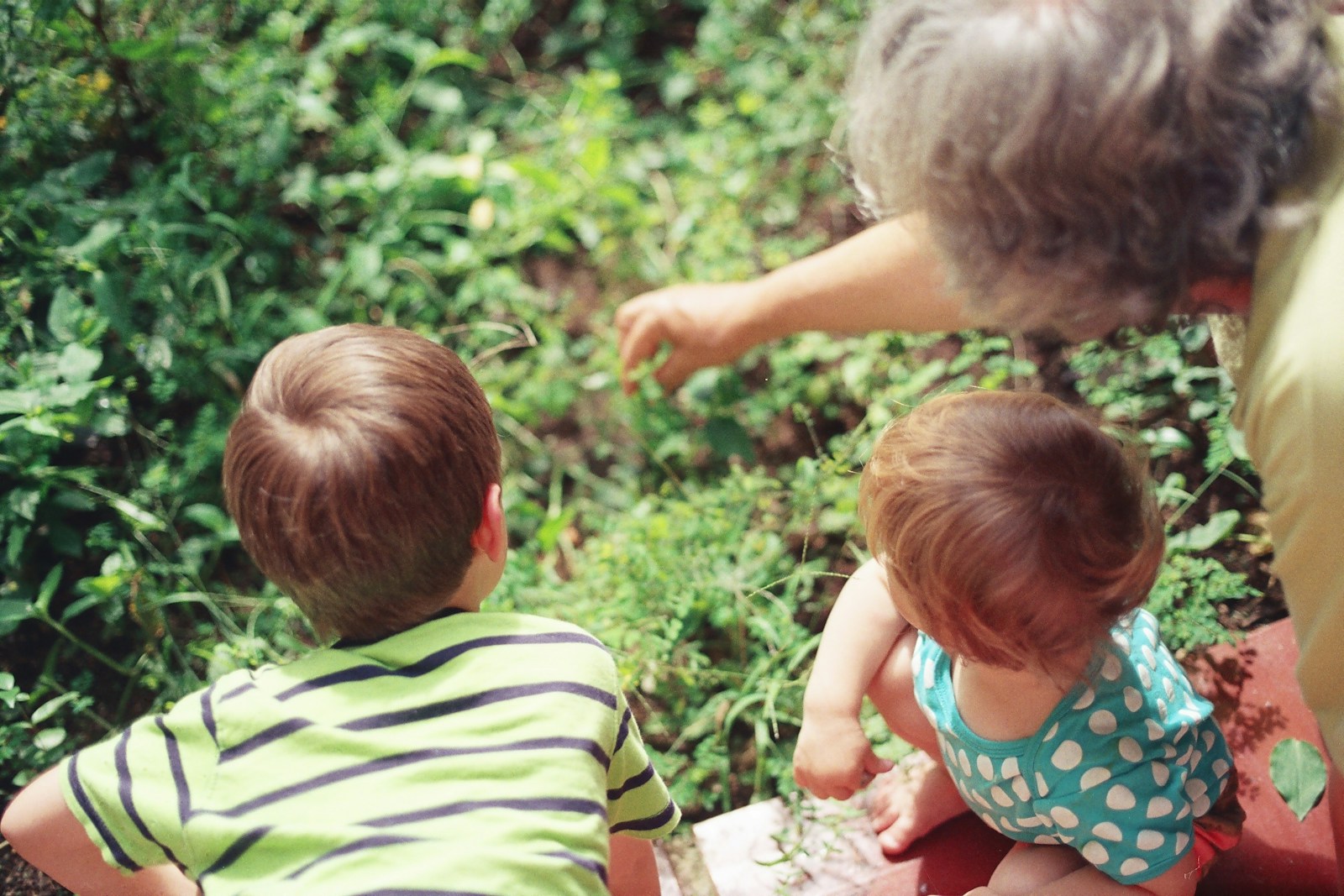
Take, for example, one of her grandchildren who has recently been navigating some rough patches. Mental health can be a battle, and it’s one that can feel even more daunting when layered with the well-meaning but intrusive concern of a loved one. Whenever they touch base with Grandma, the conversation quickly heads down a familiar path. “You’re always so sad. I’m praying for you,” she says, her voice dripping with concern but lacking an understanding of what true support looks like.
In moments where they’ve chosen to take a break from work for their mental health, Grandma doesn’t quite understand the nuances of such a decision. “What are you going to do with all of that free time?” she asks, as if time off could only mean lounging around like an unproductive sloth instead of tackling the heavy burdens that had led to the leave of absence in the first place.
Then there are the hobbies—trying to find joy in creativity becomes a challenge when Grandma quips, “But you have to buy things to make things. Why do it?” Suddenly, engaging in something enjoyable feels like an extravagance rather than a necessity. It’s as if every choice made is examined under a microscope, making it difficult for them to celebrate the small victories of life.
Visiting Grandma comes with its own set of challenges. Each time the grandchild walks through her door, they can expect to answer a slew of questions that often feel more like a pop quiz than a family check-in. “Why do you still talk to your ex?” “Why are you still sad about your dad’s death?” “Why aren’t you done with school?” “When are you going to have kids?” Each question is laced with expectation and judgment, leaving the grandchild feeling as if they are constantly falling short.
The pressure has started to weigh heavily on this grandchild, leading to a cycle of avoidance. They love their grandma, of course, but it’s hard to maintain a relationship when it feels like the stakes are so high. It’s a familiar narrative shared among cousins and siblings, all of them expressing similar frustrations. Grandma, in her quest to love and engage, has unwittingly pushed them away.
Yet, despite the wall of nitpicking, complexity does exist. It’s important to remember that Grandma’s generation often views the world through a lens of pragmatism and duty. Perhaps she thinks that by challenging her family members, she is pushing them to be their best selves. But what she fails to see is that not everyone thrives under scrutiny. Instead of encouragement, her comments often foster feelings of inadequacy, making her loved ones reluctant to share their lives with her. The inevitable question arises: how can a relationship flourish when one party feels the need to defend themselves at every turn?
The irony isn’t lost on anyone; Grandma wonders aloud why nobody wants to come around anymore, oblivious to the fact that it’s her constant questioning that has driven everyone away. She seems to see these interactions as opportunities for bonding, while her family perceives them as a minefield of expectations they would rather sidestep.
In a world where mental health days are becoming more understood and hobbies are often seen as an essential outlet, Grandma’s outdated views create a disconnect that feels insurmountable. It’s not that she doesn’t care; it’s that she expresses her care in a way that, more often than not, leads to friction instead of connection. This situation encapsulates a common struggle—how to bridge generational gaps while balancing love and personal well-being.
So the cycle continues, leaving this grandchild to ponder the next family gathering with trepidation. Will they ever find a way to communicate their needs without feeling like a disappointment? For now, avoidance seems like a safer bet.
More from Cultivated Comfort:
- 7 Vintage Home Items From the ’60s That Are Collectors’ Dream Finds
- 7 Vintage Home Goods That Became Collectors’ Gold
- 7 Fast-Food Chains That Changed for the Worse
- 7 Frozen Dinners That Were Better Back in the Day

As a mom of three busy boys, I know how chaotic life can get — but I’ve learned that it’s possible to create a beautiful, cozy home even with kids running around. That’s why I started Cultivated Comfort — to share practical tips, simple systems, and a little encouragement for parents like me who want to make their home feel warm, inviting, and effortlessly stylish. Whether it’s managing toy chaos, streamlining everyday routines, or finding little moments of calm, I’m here to help you simplify your space and create a sense of comfort.
But home is just part of the story. I’m also passionate about seeing the world and creating beautiful meals to share with the people I love. Through Cultivated Comfort, I share my journey of balancing motherhood with building a home that feels rich and peaceful — and finding joy in exploring new places and flavors along the way.