“Stop boiling them sweet potatoes right now.” That is how the cook behind Grandma Willie Mae’s Soul Food Fix opens her holiday walkthrough, and she does not whisper it. If you want your pies, your casseroles and your candy yams to be the best on the table, she says, the pot of water has to go.
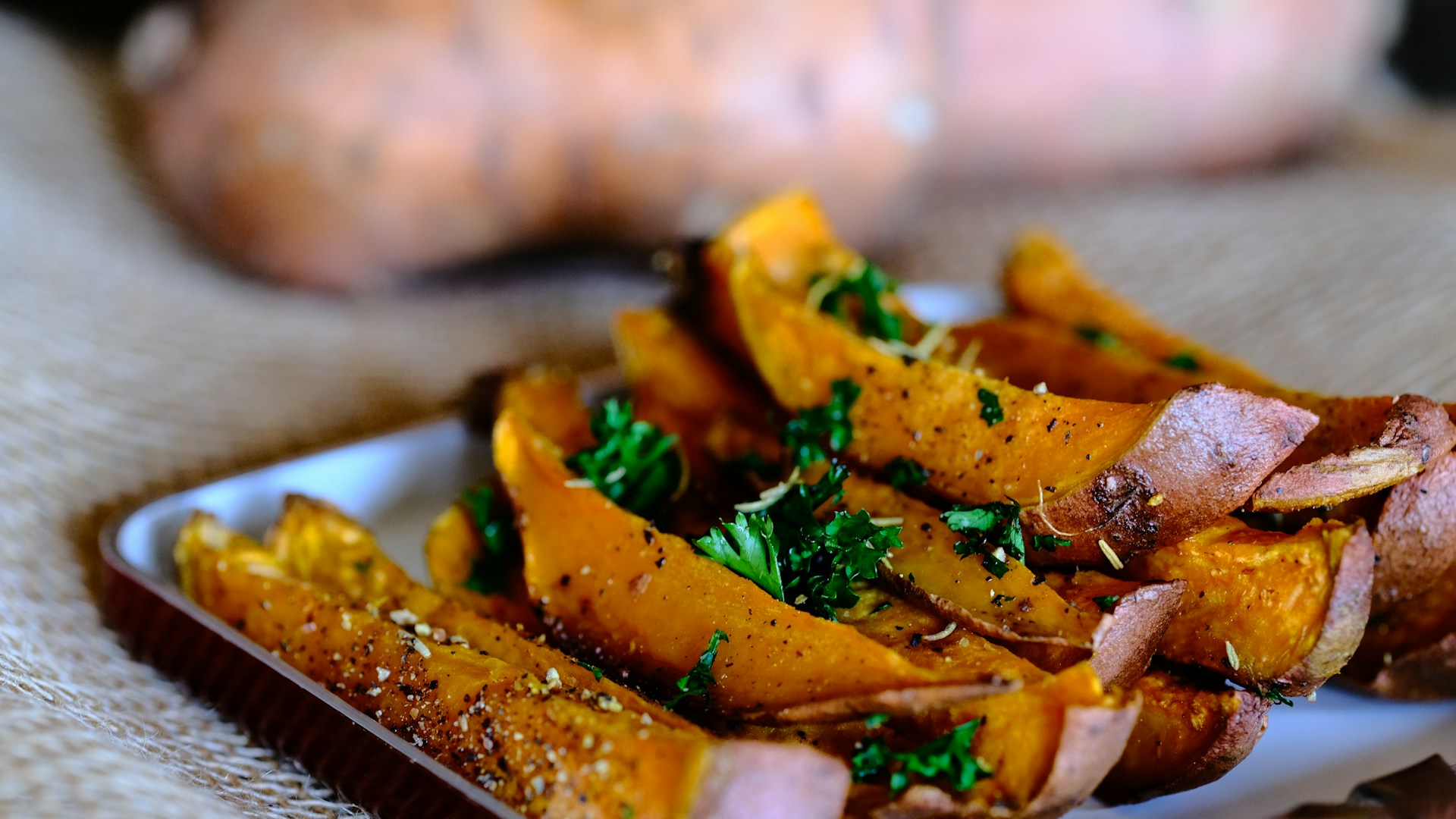
Her argument is simple. Peeling raw sweet potatoes and dropping them into water, in her words, washes “all that good flavor and natural sugar straight down the drain.” She wants that sweetness kept inside the potato, where it belongs.
“Put That Vegetable Peeler Down” Is Step One Of Grandma’s Method
Start by heating the oven to 400 degrees so it is “nice and hot” before the potatoes go in. She is firm that sweet potatoes never go into a cold oven if you want good caramelization.
Then grab a fork and poke a few holes all around each potato so the steam has somewhere to go. Rub the skins with a little cooking oil, using your hands so it goes on nice and even, and set them on a foil-lined pan.
The oven, she says, “does all the heavy lifting.” Roasting time depends on the size of your potatoes, but a medium one typically takes somewhere around 45 minutes to an hour, so plan ahead and do not rush it.
Wait Until The Sugar Bubbles Through The Skin Like “Liquid Gold”
Here is where she says plenty of cooks make their mistake. They pull the potatoes out when they merely look done, and they are not ready yet.
You will know they are finished when the natural sugar inside starts caramelizing and bubbles right through the skin onto the foil “like liquid gold.” The skin should be blistered and popped wide open, with sweet juices oozing out onto the pan.
That syrupy puddle is flavor that stayed in the potato instead of going down the sink. When you pull them out piping hot, she points out, the skin slips right off with no fighting and no waterlogged mess. What is left is rich, velvety, bright orange sweet potato ready for the bowl.
Brown Butter, Fresh Nutmeg And A Warning About Overbeating
If you are only making a pie, she says, you could stop right there. But this is a casserole, so she takes the flavor “all the way up to the next level.”
Melt a stick of real butter in a saucepan until it foams and turns a deep, nutty golden brown. Swirl the pan until you see little toasted brown specks at the bottom, and take it off the heat at that moment, because it will burn if you leave it.
Pour the warm brown butter over the roasted potatoes and mash them with a potato masher or a fork, depending on how smooth you like them. Next come evaporated milk and brown sugar, stirred well, followed by pure vanilla extract, warm cinnamon and freshly grated nutmeg.
She insists on grating the nutmeg yourself if you can. “Just a pinch wakes up the natural sweetness in them potatoes and keeps it from tasting flat,” she says, and she adds that less is more.
The beaten eggs go in next, folded gently into the warm mixture so they do not scramble. Those eggs are what hold the casserole together so it cuts in clean slices.
Then she grabs a hand mixer, starting on low and bumping it to medium for about one minute, until the batter turns light, airy and silky. Her warning is clear: overwhip it and you beat in too much air, and the casserole will puff up and crack. She wants to see the batter ribbon off the spatula with no stringy lumps.
Two Pans, One Crown Jewel And A Rule About Feelings At The Dinner Table
Butter your baking dish, pour in every bit of filling and smooth it corner to corner so it bakes evenly. Tap the dish gently on the counter to knock out trapped air pockets.
Grandma made two pans, and she explains why: “If you show up to dinner with just one pan of sweet potato casserole, somebody’s feelings getting hurt at that table.” Anyone who has watched a holiday dish vanish in ten minutes will understand her point.
The crown jewel is the topping. In a clean bowl, mix all-purpose flour, dark brown sugar, a pinch of cinnamon and a pinch of salt, breaking up the brown sugar lumps with a fork.
Work in cold cubed butter with your fingertips until it looks like coarse, crumbly sand. She stresses cold butter, not melted, because cold butter melts slowly in the oven and the topping bakes up crunchy and crumbly instead of greasy and flat.
Then toss in plenty of chopped pecans, coating every piece, and do not be stingy. Sprinkle a thick blanket over the filling, press it down just a hair so it hugs the casserole, and cover every inch to the edges so nothing dries out or burns.
She says she loves old school marshmallows just fine, but this brown sugar pecan crust takes the dish from a regular side to “the bell of the ball.”
Give It 10 To 15 Minutes Before You Grab The Spoon
Bake until the brown sugar and butter bubble up around the pecans like candy and the nuts toast golden without scorching an edge. When it comes out, she lets it rest so the crust sets up crisp while the inside stays warm, creamy and tender.
It is tempting to dive in with a spoon, but she asks for 10 to 15 minutes of patience. That is how you get the crunch on top and a clean slice every time, with steam rising and nothing watery in sight.
Tips To Take Into Your Own Kitchen This Thanksgiving
A few extra pointers that fit her method. Sweet potatoes keep best in a cool, dry, dark spot, and the refrigerator tends to give them a hard center, so keep them on the pantry shelf until roasting day.
Roasting the potatoes a day ahead is a good way to take pressure off a busy holiday. Peel and mash them when you are ready to build the casserole.
Line the pan with foil, as she does, because those caramelized drips turn into hard candy that is painful to scrub off a bare pan. And if you are feeding a crowd, take her advice and make two dishes.
Her written recipe is pinned in the comments of the video, and she signs off the way she started, warm and direct: “Keep your head up. God be with you.” For a dish this humble, the lesson is a good one. Treat the sweet potato kindly, let the oven work, and keep the water out of it.
More Stories You May Like
- Husband Wakes His Wife At 4AM And Announces They Are Flying To Costa Rica In 3 Hours, And She Only Forgave Him Eventually After They Landed
- Man Returns Rental Car With More Gas Than He Started With, Then Budget Hits Him With A $17.99 Fuel Fee And Says He Must Call To Get It Removed
- Man Orders Every Cocktail On The Red Lobster Menu Until The Manager Stares At His Empty Glasses, Then He Gets Recognized At Drink No. 8 And Is Cut Off