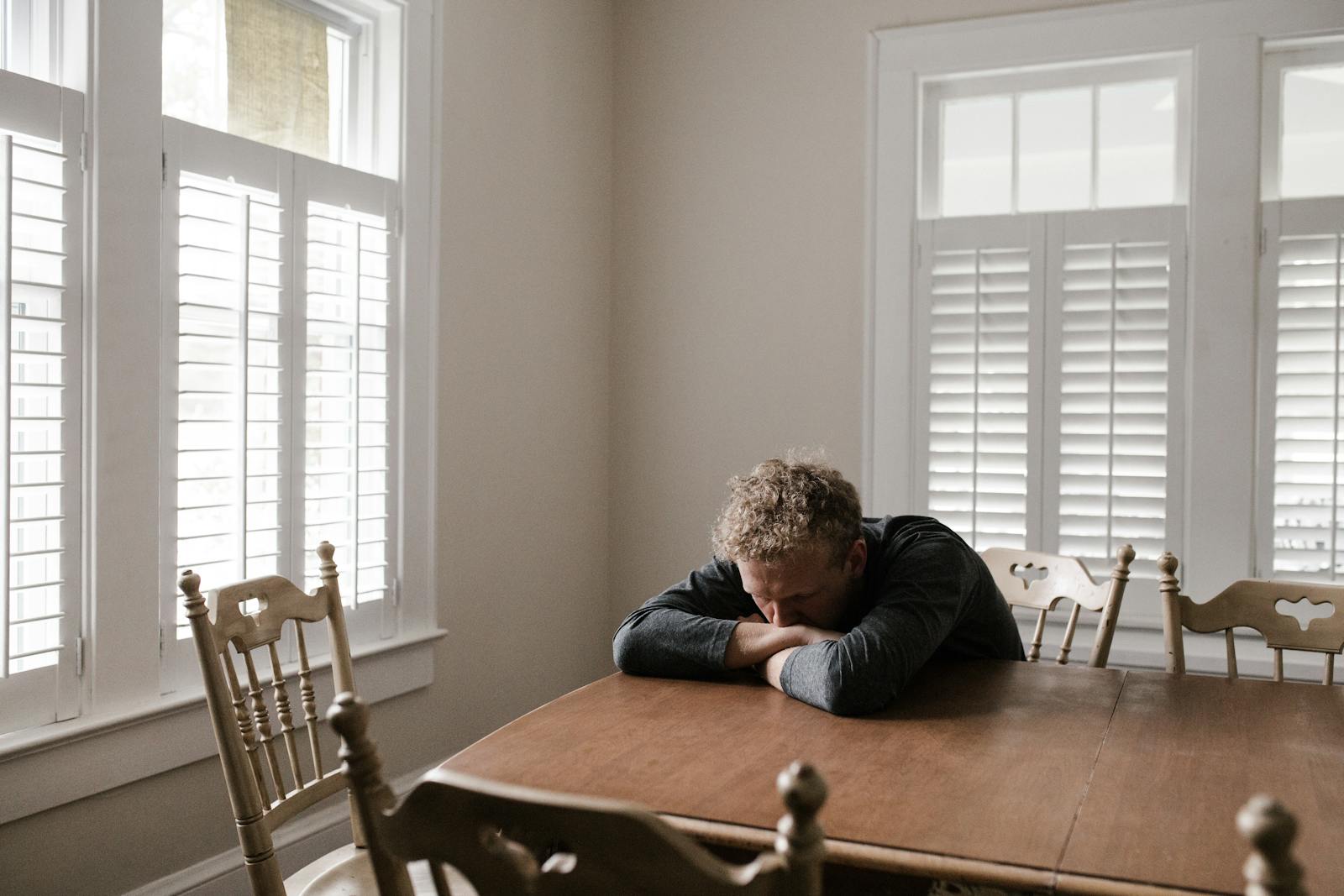
In a world where love often intertwines with grief, navigating a relationship during times of loss can be especially challenging. A recent post on Reddit where a woman, identified as Alexandra, is grappling with the fallout of her boyfriend’s profound grief following the death of his father. It’s a scenario that many might face in their personal lives, raising tough questions about support, communication, and boundaries in a relationship that seems to be falling apart.

Four months have passed since Alexandra’s boyfriend, a 31-year-old man, lost his father to suicide. Understandably, his world has been turned upside down, and he has been struggling with the weight of this loss. However, as Alexandra shares in her post, his grief seems to have morphed into something that is harming their relationship rather than bringing them closer together. Instead of finding solace and comfort in their partnership, Alexandra feels increasingly blamed for circumstances beyond her control—specifically, the unfortunate timing of their relocation away from his family.
Grief can manifest in various ways, and for many, it can sometimes lead to anger directed at those closest to them. Alexandra’s boyfriend appears to be channeling his anger toward her, blaming her for his suffering and even suggesting that her presence has only exacerbated his pain. This troubling behavior has led to a cycle of emotional manipulation, where Alexandra finds herself walking on eggshells, afraid to address her feelings for fear of being labeled as “whinging” or “bitching.” In a relationship that should be characterized by mutual support, she describes a situation where any attempt at open communication is met with degradation and blame.
In her post, Alexandra expresses the deep frustration of trying to support her partner while also needing support herself. She highlights how attempts to discuss their issues lead to accusations and hurtful comments rather than constructive dialogue. The emotional toll of this dynamic can be heavy, and many readers may identify with her feelings of helplessness and confusion in the face of such blame. It raises the question: how does one support a grieving partner without sacrificing their own emotional well-being?
Moreover, the situation becomes more complex when considering the external pressures that are at play; Alexandra notes the reluctance of her boyfriend to attend family events and his refusal to seek couples counseling, a suggestion made by his mother in an attempt to salvage their relationship. Despite his ability to socialize with friends, his unwillingness to invest in their relationship shows a troubling double standard. It’s as if Alexandra is being held hostage not only by grief but also by the fear of losing her partner entirely, should she attempt to assert her needs or desires.
This scenario is further complicated by the joint mortgage they share, which adds a layer of financial entanglement to an already fraught emotional landscape. In relationships, financial ties can create additional complications, especially when one partner threatens legal action as a means of control. Alexandra’s statement about her boyfriend’s threat to take her to court underscores an alarming power imbalance that can emerge in relationships, particularly during tumultuous times.
While Alexandra remains committed to supporting her grieving partner, she is also beginning to question whether it is worth staying in a relationship that seems to be more harmful than healing. Facing the possibility of ending the relationship invokes a sense of dread, not only because of her boyfriend’s strong reaction but also due to the emotional investment and love she still holds for him. It’s a heartbreaking dilemma, one that many individuals in similar situations might resonate with. The idea of waiting it out in hopes that he will emerge from his grief can feel like a gamble with one’s own happiness on the line.
As the conversation continues on Reddit, contributors may weigh in with their insights and experiences, offering Alexandra various perspectives on the viability of her relationship and potential paths forward. The nuances of grief, love, and emotional health make this a complicated scenario—one that reveals the fragility of relationships under the strain of loss.
For anyone reading Alexandra’s story, it serves as a poignant reminder of the challenges that come with supporting a grieving loved one, all while still honoring one’s own needs and boundaries. It’s a tough balance to achieve, and the outcome of such situations can often hinge on open communication, mutual respect, and the willingness to work through pain together—or apart.
More from Cultivated Comfort:
- 7 Vintage Home Items From the ’60s That Are Collectors’ Dream Finds
- 7 Vintage Home Goods That Became Collectors’ Gold
- 7 Fast-Food Chains That Changed for the Worse
- 7 Frozen Dinners That Were Better Back in the Day

As a mom of three busy boys, I know how chaotic life can get — but I’ve learned that it’s possible to create a beautiful, cozy home even with kids running around. That’s why I started Cultivated Comfort — to share practical tips, simple systems, and a little encouragement for parents like me who want to make their home feel warm, inviting, and effortlessly stylish. Whether it’s managing toy chaos, streamlining everyday routines, or finding little moments of calm, I’m here to help you simplify your space and create a sense of comfort.
But home is just part of the story. I’m also passionate about seeing the world and creating beautiful meals to share with the people I love. Through Cultivated Comfort, I share my journey of balancing motherhood with building a home that feels rich and peaceful — and finding joy in exploring new places and flavors along the way.