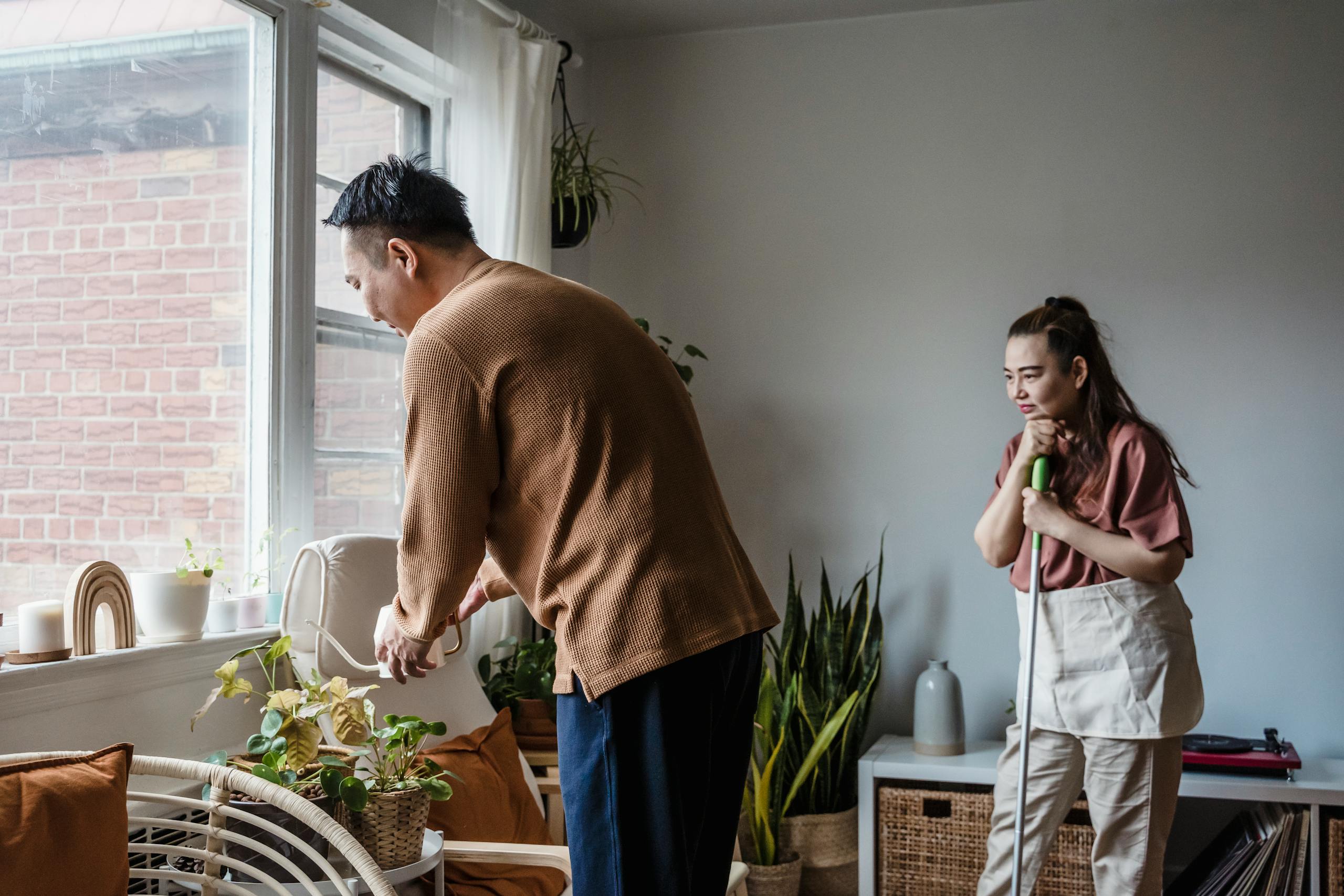
In relationships, the balance of emotional support and practical care can sometimes tip uncomfortably in one direction. For one woman, aged 27, this has become a pressing concern as she grapples with her boyfriend’s tendency to show love through actions rather than words or intimacy. She describes feeling more like a roommate than a partner and is seeking advice on how to navigate a relationship that seems stuck in neutral.
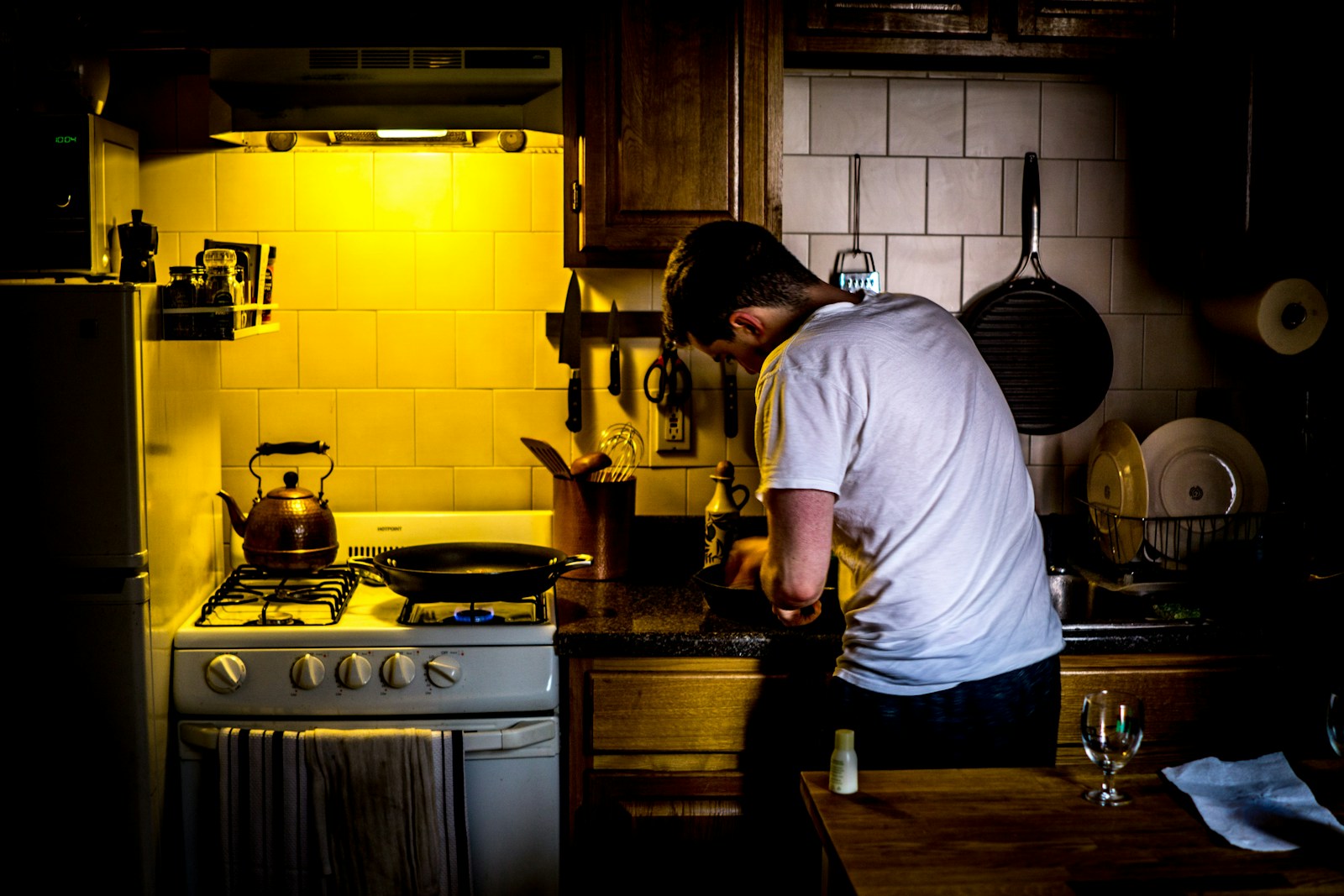
The crux of her dilemma is this: her boyfriend, also 27, is attentive in many practical ways. He cooks for her, helps her family, and is quick to provide little things that make life easier. However, when it comes to emotional intimacy and communication, she feels like she is carrying the relationship alone. Whenever she tries to bring up issues that bother her, the conversations often end unresolved. Her boyfriend tends to withdraw or deflect, leaving her feelings unacknowledged.
She recounts how discussions about their emotional connection often devolve into him expressing his own insecurities rather than addressing the issues she raises. Phrases like “I know I keep messing up” or “my brain is messed up” become common refrains, shifting focus away from her concerns. Instead of resolving conflicts, these conversations seem to spiral into defensiveness, ultimately making her feel unheard and disconnected.
Issues of affection and intimacy exacerbate her feelings of isolation within the relationship. Her boyfriend struggles to express affection verbally, noting that he is “working on” saying “I love you.” Physical intimacy has dwindled to such an extent that their sex life only occurs a few times a year, leading her to retreat from initiating contact entirely. Past experiences have left her feeling disheartened; his lack of responsiveness has added to her sense of emotional burden.
Recently, she expressed her frustration, explaining that she feels like she is carrying the emotional weight of the relationship. She articulated her fears that they were slipping into a roommate dynamic, a situation where partnership is reduced to mere cohabitation without the emotional depth that comes with a romantic connection. Despite her exhaustion, she is hesitant to give up on the relationship, desiring to find a path toward improvement and resolution.
These feelings and struggles are not uncommon in relationships where one partner is more emotionally available than the other. While practical care is essential, it often isn’t enough to sustain a loving partnership. Emotional intimacy, communication, and affection are critical components that need nurturing. As she reflects on her relationship, the woman finds herself at a crossroads: should she continue to invest in a relationship that feels increasingly one-sided, or is it time to reassess her needs and desires?
In seeking advice, she received varying perspectives from those who resonated with her plight. Some emphasized the importance of recognizing whether her emotional and physical needs were truly being met. Others pointed out red flags that suggested she might be overlooking significant issues if she were to view the situation through the lens of a friend’s relationship. Would she advise a friend to settle for this dynamic? The answers, while personal, often pointed to the importance of self-worth and healthy boundaries in relationships.
As she contemplates her next steps, the conversation is broadening. It’s clear that her boyfriend’s reluctance to engage in deeper emotional conversations and his struggles with expressing affection are not issues that can be overlooked indefinitely. While she remains committed to finding solutions, she is also aware of her own needs and the potential dangers of continued emotional labor without reciprocity.
Every relationship requires effort and communication, and it’s essential for both partners to contribute to the emotional landscape. As she navigates her feelings, one thing is certain: recognizing the signs of emotional disconnect is the first step toward either fostering a deeper connection or deciding if it’s time to move on.
More from Cultivated Comfort:
- 7 Vintage Home Items From the ’60s That Are Collectors’ Dream Finds
- 7 Vintage Home Goods That Became Collectors’ Gold
- 7 Fast-Food Chains That Changed for the Worse
- 7 Frozen Dinners That Were Better Back in the Day