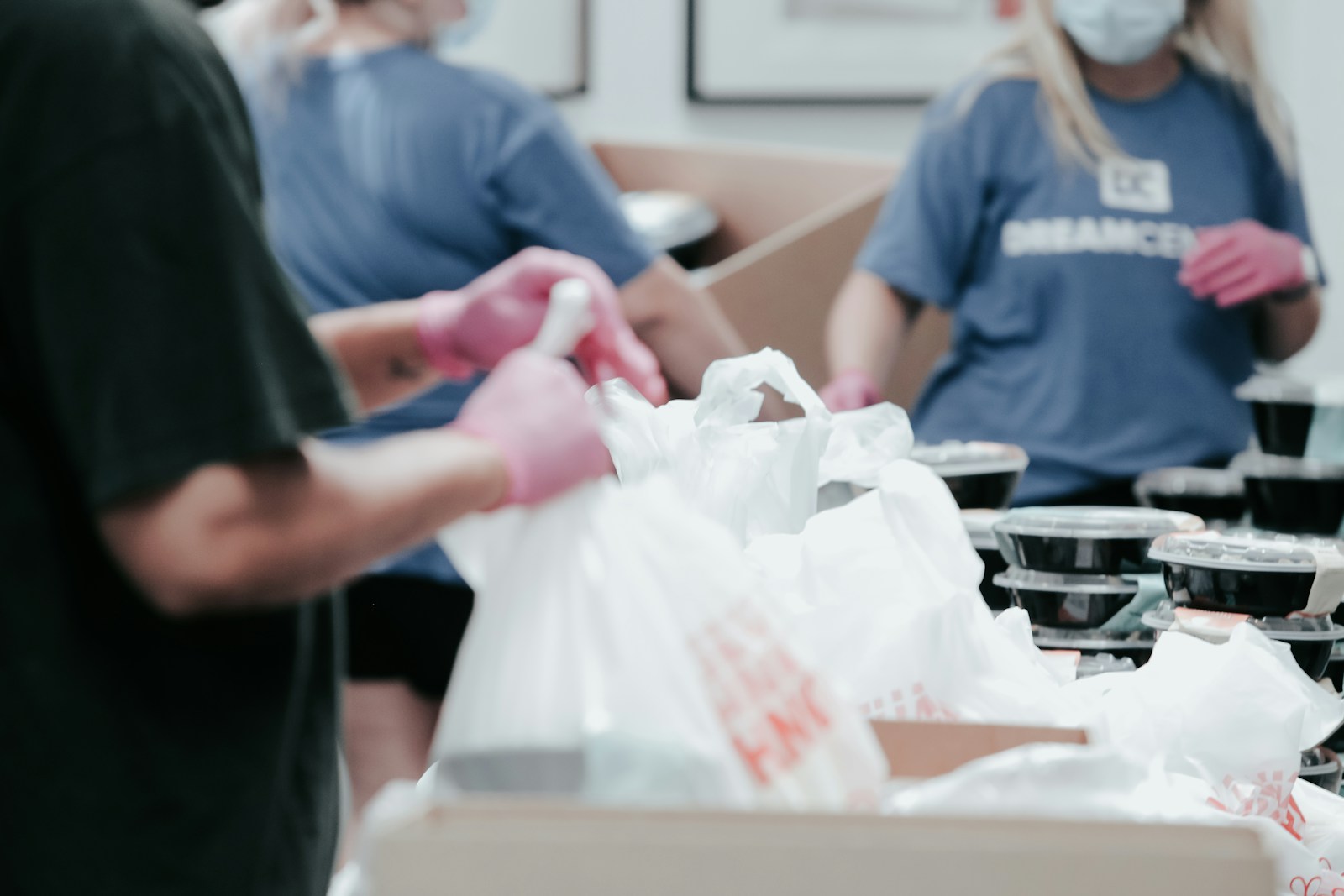
In the heart of a small town, just beyond the edge of a dense forest, lived a man named Jake. He had been homeless for nearly two years, finding a makeshift home in the woods. Every Monday, Wednesday, and Friday, he relied on a local charity for a warm meal. The charity, while limited in offerings, provided a crucial lifeline for Jake and others like him. They served meals made from donated food, which often consisted of canned goods and whatever odds and ends the generous townsfolk could spare. It wasn’t gourmet, but it was enough to get by.
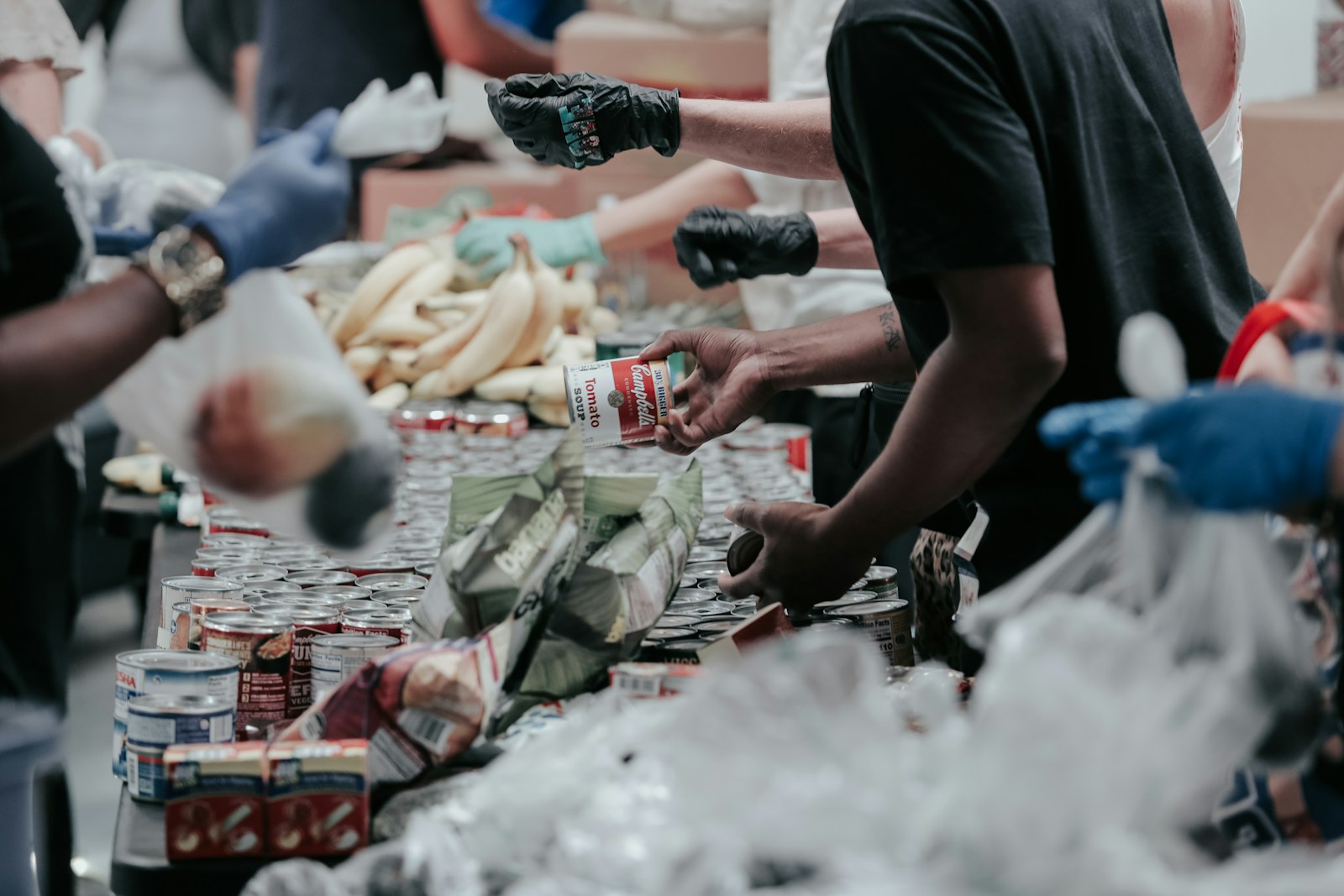
For Jake, it was about more than just food; it was about the small moments of connection with other homeless individuals. Sharing in a meal created a sense of community, a temporary reprieve from the challenges they faced daily. He had become accustomed to the routine, waking up early to secure his spot and savoring the little pleasures of free coffee and the occasional cheerful banter with the staff.
However, everything changed one fateful Monday. Jake arrived at the charity just as he always did, around 11 AM. As he entered, there was a palpable shift in the atmosphere. The staff looked more tense than usual, and there was a line of murmuring patrons gathered in confusion. When Jake approached the counter, ready to collect his meal, the staff delivered unexpected news: Starting that day, a fee of £3 would be required for each meal.
“£3? For what?” Jake’s heart sank. “I don’t have that kind of money.”
He wasn’t alone in his disbelief. A chorus of discontent rose from those in line, each expressing their shock and frustration at this sudden imposition. Many residents of the forest were already struggling to find money for basic necessities, let alone a meal. The lack of accommodations or clothing offered by the charity, which had never been an issue before, suddenly felt magnified against the backdrop of this new rule.
When Jake pressed for an explanation, he was met with a response that left him even more exasperated. The staff explained, “We’re implementing this charge to teach you about money management and responsibility.”
How ironic, Jake thought, to be lectured on money management by an organization that was supposed to support those without any financial stability. It was frustrating beyond belief. He could sense the rising tension in the room; voices were beginning to escalate. One man shouted that it was outrageous to expect people who had little to no income to suddenly figure out how to budget for meals. Others echoed this sentiment, their faces flushed with anger and disbelief.
Jake stood quietly, simmering in his anger. Did they think that imposing a fee on meals would somehow teach them the lessons of responsibility when they were already drowning in a sea of hardship? He thought about the countless times he had searched for change in the pockets of his tattered jeans, the efforts to scrape together coins for bus fare or a hygiene kit. Now, this charity added another item to the ever-expanding list of things to worry about.
As the protests grew louder, the staff behind the counter remained unmoved. Jake felt a wave of helplessness wash over him. The whole situation felt like a metaphor for the judgment that society often cast upon those experiencing homelessness. It was assumed that lessons needed to be imparted, as if the dire circumstances weren’t already teaching their own harsh realities. Jake didn’t need a charity to play the role of a teacher; what he needed was support, understanding, and a warm meal.
Eventually, the chaos reached a peak, with some individuals leaving in anger, while others huddled in small groups discussing their next move. As Jake stepped outside, he took a deep breath of the crisp forest air, trying to calm his racing thoughts. The charity that had once been a source of hope now seemed like another obstacle to navigating life on the streets.
He wandered back towards his camp, the weight of the day heavy on his shoulders. The idea that a charity would prioritize ‘teaching’ over compassion shook him. As he settled into his tent that evening, he couldn’t stop thinking of how they failed to recognize what real responsibility looked like for someone like him, who fought every day just to survive.
More from Cultivated Comfort:
- 7 Vintage Home Items From the ’60s That Are Collectors’ Dream Finds
- 7 Vintage Home Goods That Became Collectors’ Gold
- 7 Fast-Food Chains That Changed for the Worse
- 7 Frozen Dinners That Were Better Back in the Day