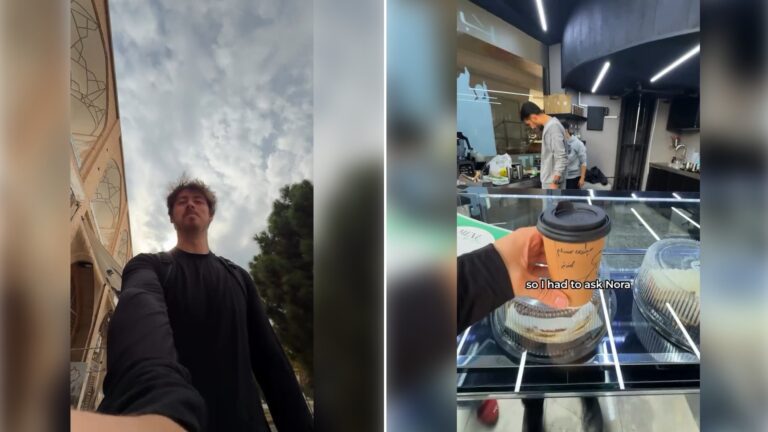
A traveler’s now-viral TikTok documenting a hotel amenity most guests don’t expect to exist — free access to designer handbags during a stay — has racked up 3.2 million views, roughly 1,486 times the creator’s usual reach, according to the video posted by @mama325lifestyle. The discovery lines up with a real, verifiable hotel program: Four Seasons Hotel Austin has partnered with the luxury accessory rental club Vivrelle since July 2025 to let guests borrow designer bags, complimentary, for the length of their stay. It’s a small but telling data point about where luxury hospitality is investing next, now that minibars and plush robes no longer register as a meaningful upgrade to anyone who travels regularly.

How the actual program works
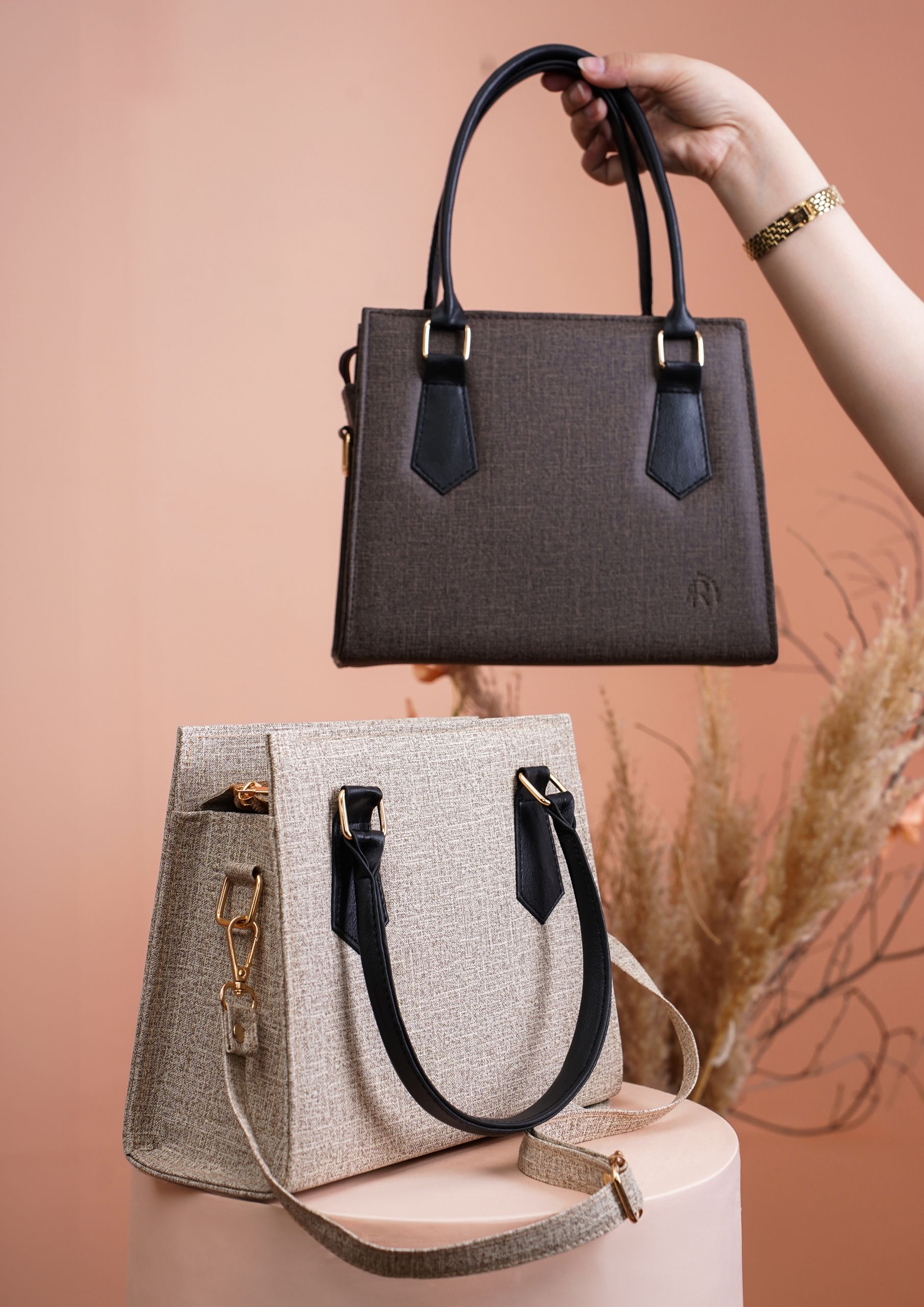
At Four Seasons Hotel Austin, the arrangement functions less like a retail perk and more like a hotel amenity on par with a fitness center or a spa menu. Guests can select — and swap out — pieces from a curated, on-property collection that includes Prada, Gucci, Dior, and other design houses, according to the hotel’s own press announcement. There’s no charge to borrow during the stay. Guests who want to keep using the service after checkout can sign up on-site for a discounted Vivrelle membership, which normally runs between $39 and $279 a month, giving them access to Vivrelle’s full inventory once they’re home. A related program has also surfaced at Four Seasons Hotel Houston, where WWD reported an on-site collection of roughly 30 pieces available to guests on similar terms.
Why hotels are betting on borrowed luxury
The handbag programs are part of a broader pattern of hotels lending out items guests used to have to pack themselves. CNBC’s reporting on the trend found properties now loaning everything from designer sneakers and clothing to baby gear and pet supplies, all under the same basic logic: guests who don’t have to overpack are guests who arrive with more room in their suitcase, less travel stress, and often a longer wish list of things they’d consider spending money on once they’re settled in. For a design house or accessory brand, meanwhile, a hotel partnership puts a $2,000 handbag directly into a traveler’s hands under ideal, low-pressure circumstances — dinner reservations, an evening out, a stay somewhere aspirational — which is a very different pitch than a case in a department store.
The discovery itself is the marketing
What makes a program like this spread isn’t a press release — it’s the moment a guest realizes what’s available and films their own reaction to it. That’s precisely what turned @mama325lifestyle’s video into a genuine outlier: a traveler stumbling into an amenity she didn’t know to look for, then showing her followers exactly what it looked like in real time. It’s a far more persuasive advertisement than anything Four Seasons or Vivrelle could produce in-house, and it explains why hotels have leaned into these low-cost, high-novelty perks rather than competing purely on room rate or square footage. A handbag closet costs a fraction of a renovated lobby, but it’s the kind of detail people actually talk about.
What it signals for luxury travel going forward
The bigger shift here isn’t the bags themselves — it’s what hotels are learning about which amenities actually earn attention in a market saturated with five-star competitors offering nearly identical thread counts and turndown service. A minibar or a robe blends into every other luxury stay a well-traveled guest has ever had. A closet of on-demand Gucci and Dior, on the other hand, is specific enough to be memorable and unusual enough to film. Expect more properties to test similarly narrow, shareable perks in the next year, precisely because a single viral video can do more for a hotel’s booking pipeline than a full marketing budget aimed at the same audience.
It also says something about how travelers now vet a destination before booking. A decade ago, the deciding factor for a luxury stay was largely word of mouth or a glossy magazine spread; today it’s just as likely to be a stranger’s unscripted TikTok showing exactly what’s waiting in the closet. Four Seasons and Vivrelle didn’t need to buy that kind of attention — a guest with a phone did the work for them, for free, simply by being surprised.