Creating a relaxing bedroom sanctuary is about making a space that feels calm and inviting, where you can truly unwind. Focus on calming colors, soft lighting, and natural materials to transform your bedroom into a peaceful retreat. Small changes like adding cozy curtains or upgrading your bedding can make a big difference in how restful your space feels.
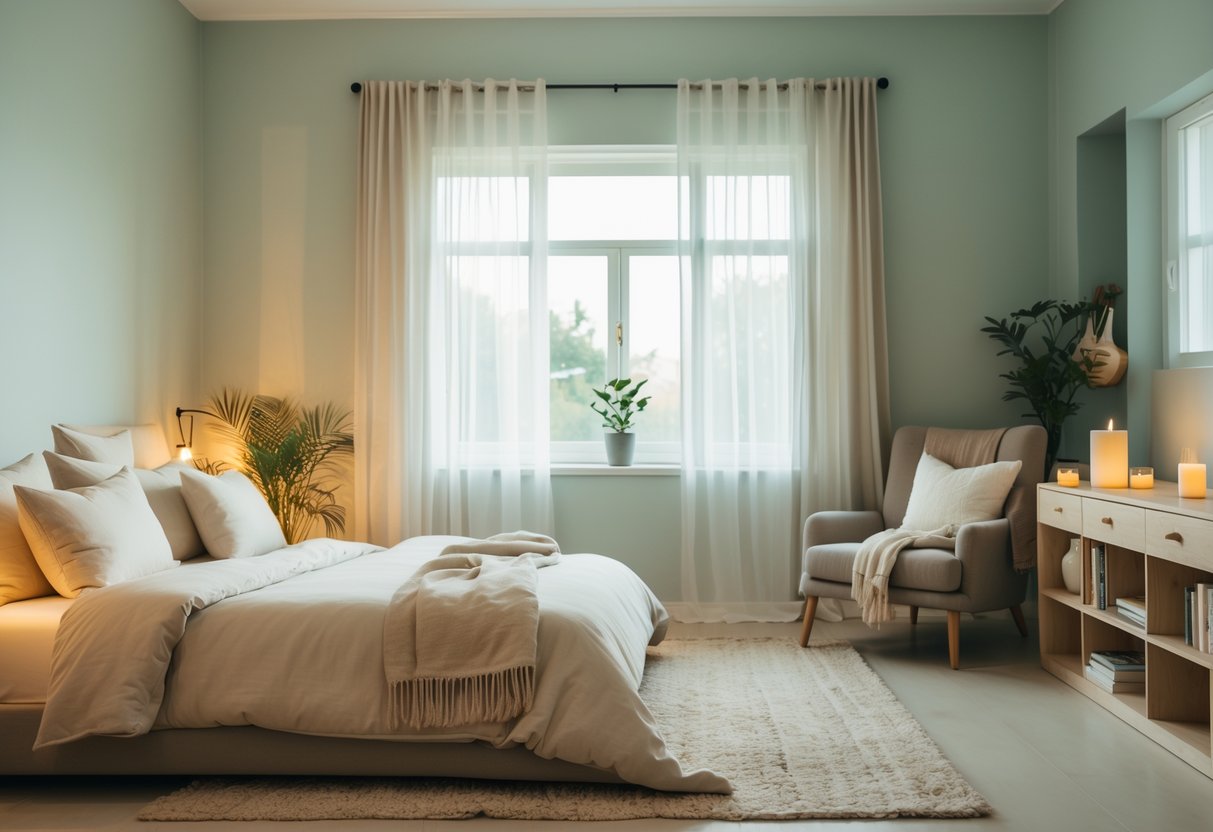
Your bedroom should be a place that helps you disconnect from daily stress. By blocking out light and noise and choosing elements that promote comfort, you set the stage for better sleep and relaxation. With a few thoughtful touches, you can turn your room into a sanctuary you look forward to coming home to.
Essentials of a Relaxing Bedroom Sanctuary
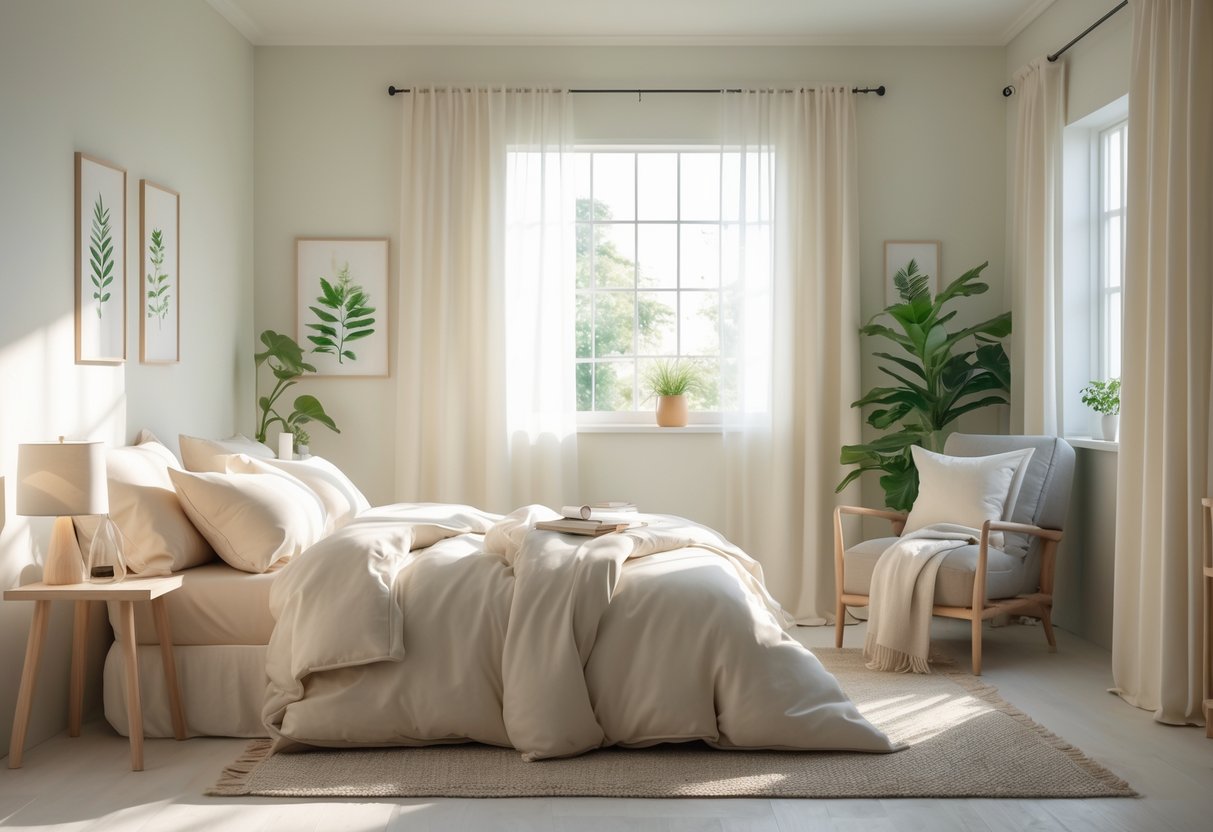
To create a truly relaxing bedroom, focus on soothing colors, comfortable bedding, and a calm furniture layout. These elements work together to help you unwind and feel peaceful in your space.
Choosing a Calming Color Palette
Pick colors that promote relaxation and reduce stress. Soft neutrals like beige, warm grays, and muted pastels such as light blue, sage green, or lavender work well. Avoid bright or intense colors, as they can be stimulating.
Consider how natural and artificial light interact with your chosen colors. Cooler tones can feel fresh in daylight, while warm hues add coziness in the evening. Matte or satin finishes help keep surfaces from reflecting too much light, aiding a restful atmosphere.
You might want to add small accents in richer colors, but keep the base palette calm and consistent. This balance helps maintain a peaceful vibe without feeling dull.
Selecting Soft and Comfortable Bedding
Your bedding should feel inviting and supportive. Choose natural fabrics like cotton, linen, or bamboo for breathability and softness. Aim for a thread count between 200 and 400 for comfort without overheating.
Invest in a mattress that fits your sleeping style—whether firmer or softer—and pairs well with pillows that support your neck properly. Layer your bed with a cozy duvet or comforter and plush but lightweight blankets.
Textures matter too. Mix smooth sheets with a soft throw or textured pillows. This adds visual interest without compromising comfort, encouraging you to relax and enjoy your rest.
Arranging Furniture for Serenity
Position your bed as the focal point and arrange other furniture to avoid clutter. Give yourself ample clear space around the bed to move freely and feel less confined.
Place nightstands within easy reach for essentials like lamps or books. Opt for minimalist pieces with clean lines to enhance calmness.
Keep your bedroom free of distractions by minimizing electronics and unnecessary items. Facing your bed toward a window or away from the door can increase your sense of security and calm as you rest.
Use storage solutions like under-bed boxes or built-in shelves to keep surfaces tidy and maintain a peaceful environment.
Atmosphere and Personal Touches
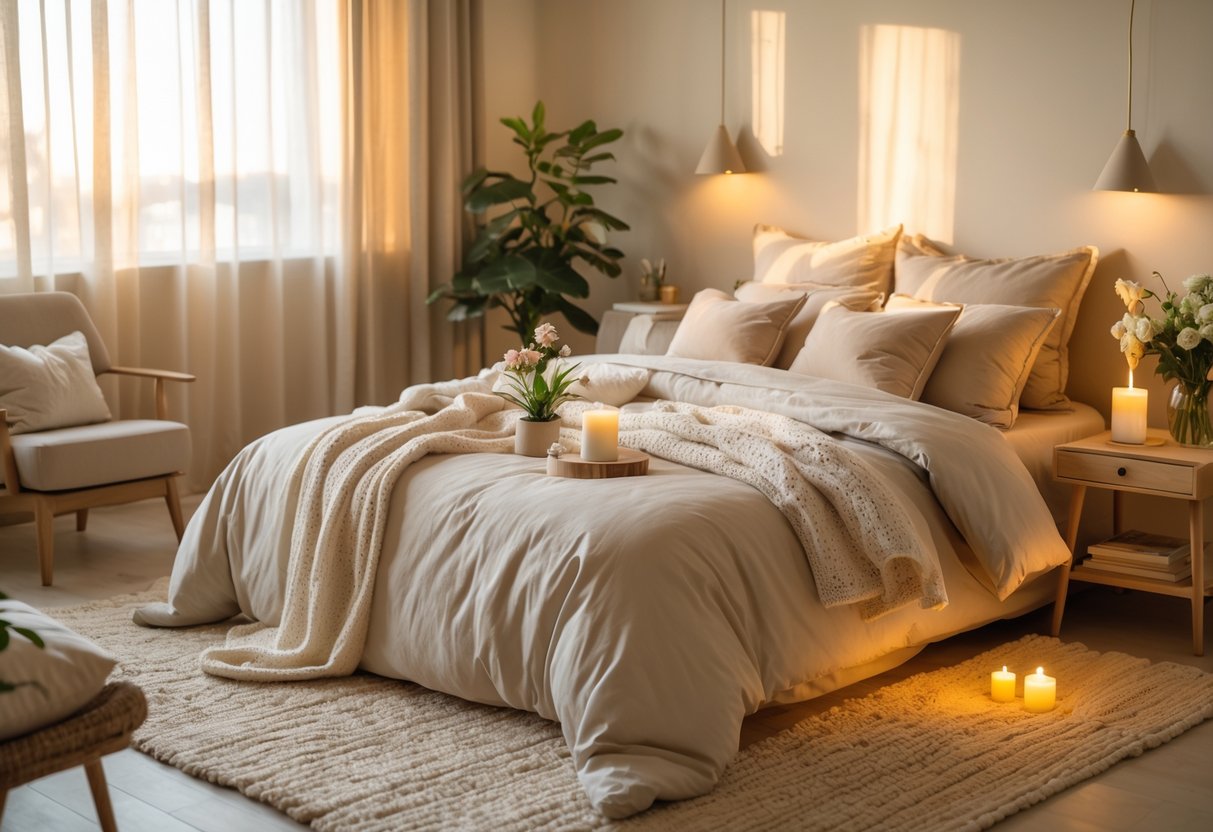
Creating a peaceful bedroom means paying close attention to how light, scent, nature, and tidiness affect your mood. These elements help you shape a space that feels inviting and uniquely yours.
Incorporating Mood Lighting
Choose lighting that lets you adjust brightness easily. Lamps with dimmers or soft string lights allow you to create a gentle glow at night. This reduces harshness and promotes relaxation.
Consider bedside lamps with warm-toned bulbs instead of overhead lights. Warm light reduces eye strain and signals your body it’s time to unwind. Position lamps where they won’t glare directly into your eyes.
Using layered lighting works well. Combine an overhead fixture, a lamp, and small accent lights to control the atmosphere throughout the day and night.
Adding Soothing Scents
Introducing mild, calming scents can help ease tension in your bedroom. Essential oils like lavender, chamomile, or sandalwood are popular choices for relaxation.
Use a diffuser, scented candles, or linen sprays to distribute these fragrances softly. Avoid overpowering smells that might cause headaches or irritation.
Keep scents consistent with your bedroom theme. For example, fresh herbal or floral aromas can enhance a natural, serene vibe. Replace or refresh scents regularly to keep them from becoming stale.
Introducing Natural Elements
Bring nature indoors with plants, fresh flowers, or botanical prints. Small potted plants placed near windows add life and improve air quality.
Flowers on your bedside table provide color and subtle fragrance. Choose easy-to-care-for options like succulents or peace lilies for low maintenance.
Wall art featuring natural scenes can support a calming ambiance. Natural wood furniture or woven baskets also strengthen this connection without clutter.
Minimizing Clutter for Tranquility
A clutter-free room feels spacious and calming. Use storage solutions like under-bed bins, baskets, or organizers to keep things out of sight.
Regularly clear surfaces like nightstands and dressers. Only keep items that serve a purpose or bring you joy.
Organize your belongings by category and assign them a dedicated spot. This makes tidying easier and stops clutter from accumulating, helping you feel more relaxed.

As a mom of three busy boys, I know how chaotic life can get — but I’ve learned that it’s possible to create a beautiful, cozy home even with kids running around. That’s why I started Cultivated Comfort — to share practical tips, simple systems, and a little encouragement for parents like me who want to make their home feel warm, inviting, and effortlessly stylish. Whether it’s managing toy chaos, streamlining everyday routines, or finding little moments of calm, I’m here to help you simplify your space and create a sense of comfort.
But home is just part of the story. I’m also passionate about seeing the world and creating beautiful meals to share with the people I love. Through Cultivated Comfort, I share my journey of balancing motherhood with building a home that feels rich and peaceful — and finding joy in exploring new places and flavors along the way.