

Have you ever found yourself overwhelmed by the clutter in your home, feeling like it’s closing in on you? Maybe it’s a mountain of clothes that no longer fit, stacks of books you’ve read (or haven’t), or that drawer filled with random items that have outlived their usefulness. You’re not wrong to feel frustrated; living in a cluttered space can weigh heavily on your mind, making it difficult to relax and enjoy your home.
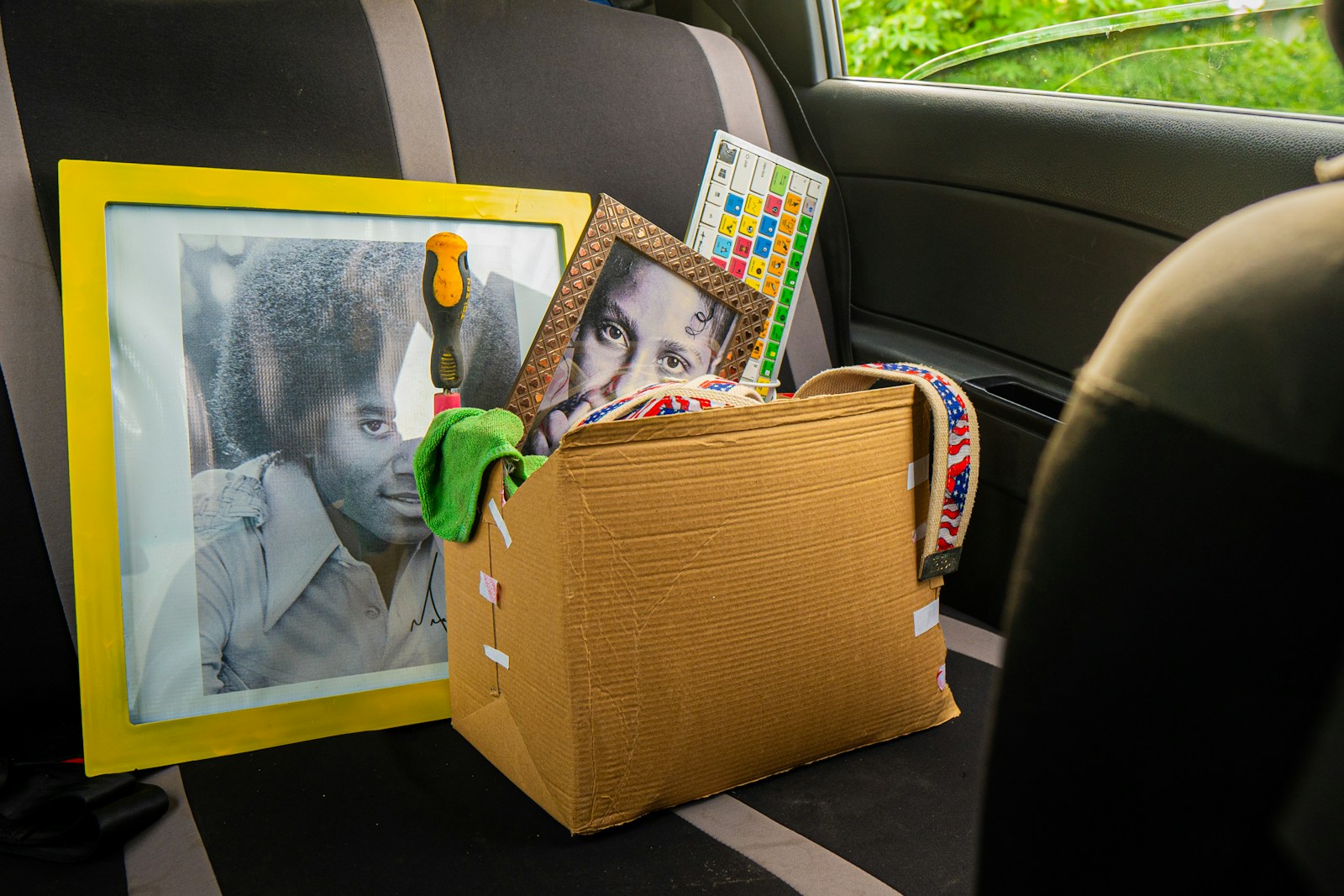
This issue matters more than just aesthetics. Clutter can affect your mental clarity, your sense of peace, and even your relationships. It can create boundaries that feel crossed—whether it’s your own space or the shared space with loved ones. Taking control of your environment is a powerful step towards fostering a harmonious and respectful home. Let’s dive into how you can tackle this challenge head-on in just one day.
Start With a Calm, Direct Conversation
Before you dive into decluttering, take a moment to communicate your intentions with those you live with. Explain your desire to create a more organized and peaceful living space. This conversation sets the tone and establishes that you’re not just making changes unilaterally; you value their input and presence.
Why it works: Open communication fosters understanding and reduces the likelihood of defensiveness. When everyone is on the same page, you’ll feel supported in your efforts.
Remember, you’re creating a space that benefits everyone. You deserve a home that reflects your values and lifestyle.
Set Clear Boundaries and Expectations
Once you’ve communicated your intentions, it’s time to set clear boundaries regarding what stays and what goes. Define the areas that need focus and the level of involvement required from others.
Why it works: Clear boundaries help everyone understand their responsibilities and limits, preventing conflicts and misunderstandings.
You are empowered to create a space that feels right for you. Setting boundaries is not about imposing rules; it’s about creating a sanctuary.
Involve Your Partner Without Blaming Them
If your partner or housemates have contributed to the clutter, involve them in the process without assigning blame. Frame it as a team effort to enhance your shared living space.
Why it works: When you approach them as allies rather than adversaries, you create a collaborative environment that encourages cooperation.
You can transform this situation from a source of tension to an opportunity for teamwork. Together, you can elevate your home.
Offer Reasonable Alternatives
If you’re looking to declutter but fear throwing away items that may have sentimental value for your loved ones, offer alternatives. Suggest a “keep” box for things that hold meaning or a donation pile for items that may be better served elsewhere.
Why it works: Presenting alternatives eases the emotional burden of decluttering, making it feel less like a loss and more like a conscious choice.
You can be compassionate while still prioritizing your need for a tidy space. It’s about finding a balance that honors both your needs and theirs.
Protect Your Home and Privacy Without Escalating Conflict
If clutter is encroaching upon your personal space, it’s essential to assert your need for privacy and peace without escalating any conflicts. Politely but firmly express how certain items or behaviors affect your comfort level in shared spaces.
Why it works: You’re taking a stand for your needs while maintaining respect for the feelings of others. This approach minimizes defensiveness and opens the door for constructive dialogue.
You have every right to protect your personal space. By addressing these concerns calmly, you’re creating a respectful environment for everyone.
Create a System for Maintenance
After decluttering, establish a simple system for keeping your home organized. Whether it’s a weekly clean-up, designated places for items, or a monthly review of belongings, consistency is key.
Why it works: A maintenance system keeps clutter at bay and helps everyone stay accountable to the agreed-upon boundaries.
You’re building a habit of awareness and care for your space. Knowing you have a plan in place will help you feel more in control moving forward.
Celebrate Your Progress
Finally, take the time to celebrate your achievements, no matter how small. After a day of decluttering, acknowledge the effort you put in and the positive changes made.
Why it works: Celebrating your progress reinforces your commitment to maintaining a clutter-free environment and boosts your motivation for future efforts.
You’ve taken a significant step towards a more serene home. Embrace the positive energy you’ve cultivated—this is just the beginning of a more organized life.
—
Remember, the situation can improve. Decluttering is not just about physical space; it’s about emotional clarity and creating a sanctuary for yourself and those you love. As you move forward, remind yourself that a little effort goes a long way, and you have the power to shape your environment.
More from Cultivated Comfort:
- 7 Vintage Home Items From the ’60s That Are Collectors’ Dream Finds
- 7 Vintage Home Goods That Became Collectors’ Gold
- 7 Fast-Food Chains That Changed for the Worse
- 7 Frozen Dinners That Were Better Back in the Day

As a mom of three busy boys, I know how chaotic life can get — but I’ve learned that it’s possible to create a beautiful, cozy home even with kids running around. That’s why I started Cultivated Comfort — to share practical tips, simple systems, and a little encouragement for parents like me who want to make their home feel warm, inviting, and effortlessly stylish. Whether it’s managing toy chaos, streamlining everyday routines, or finding little moments of calm, I’m here to help you simplify your space and create a sense of comfort.
But home is just part of the story. I’m also passionate about seeing the world and creating beautiful meals to share with the people I love. Through Cultivated Comfort, I share my journey of balancing motherhood with building a home that feels rich and peaceful — and finding joy in exploring new places and flavors along the way.


