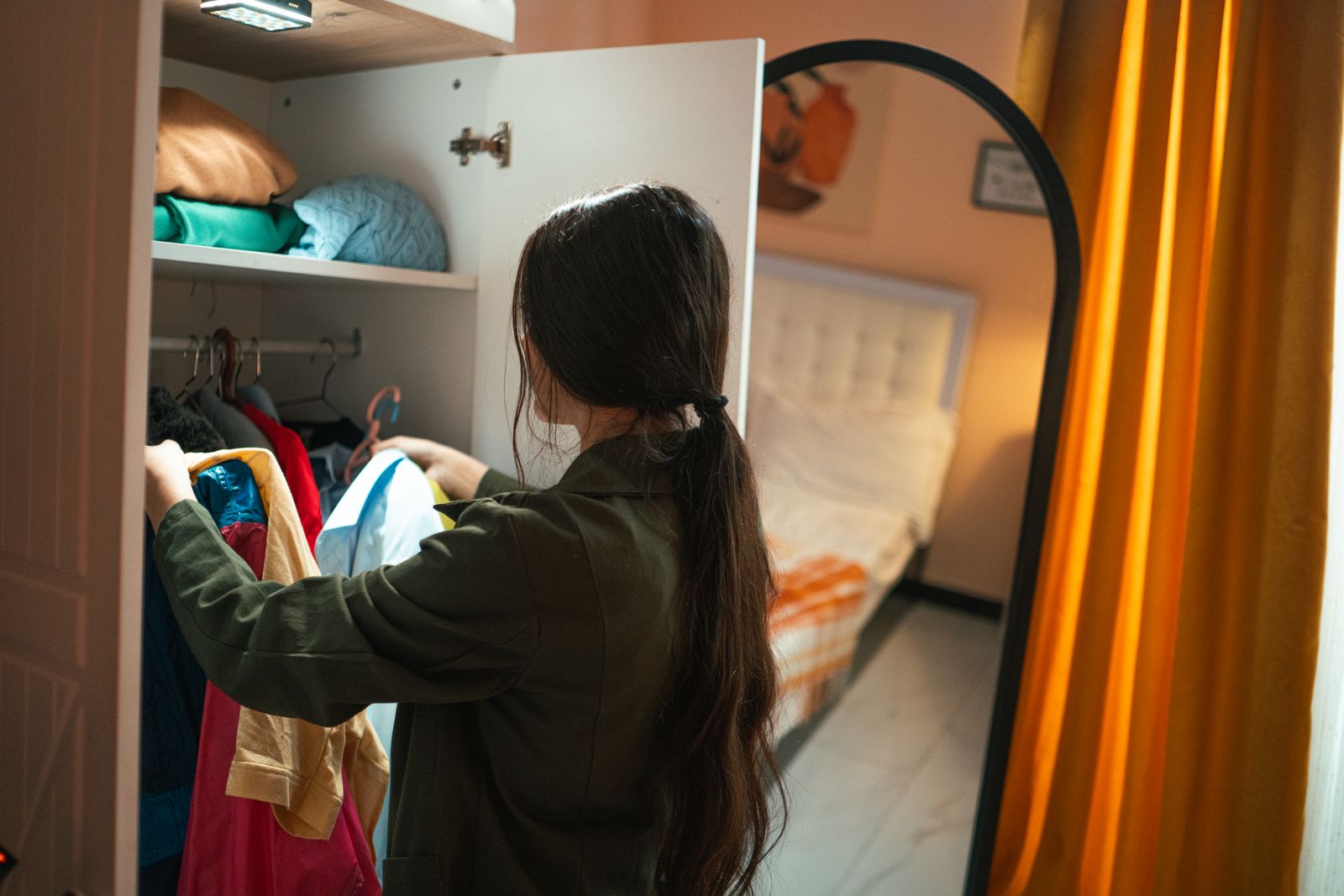
It all began when she returned home from work one day to discover that her personal cabinet had been rummaged through. Her partner, who she referred to as SO, had taken the liberty to sift through her belongings without asking. When she walked into the room, it was clear that things were out of place; items were strewn about in a way that suggested someone had been searching for something. Unbeknownst to her, nestled among the chaos were her beloved wedding band and a favorite earring, both of which would soon go missing.

At first, she thought it was just a matter of tidying up; perhaps in his haste, SO needed to find a product she kept in that cabinet. However, that theory didn’t quite sit well with her. The cabinet was not a shared space—it was her personal domain where she stored items of sentimental value and personal importance. She couldn’t help but feel violated. After all, it wasn’t merely about him borrowing a product; it was about the principle of privacy in their relationship.
After a thorough search, she realized that her wedding band and earring were nowhere to be found. Panic set in as she methodically combed through her belongings, turning that cabinet upside down in her quest to locate the missing jewelry. She wondered how someone could carelessly disrupt her personal space without even considering the repercussions. When she finally confronted SO about it, he brushed her concern off with a laugh, saying he was simply looking for something he needed. To make matters worse, he blamed her for being “irresponsible” for how she stored her belongings.
There was no apology or acknowledgment of wrongdoing on his part, and that stung more than the missing jewelry itself. The dynamic had shifted to a blame game. She found herself standing there, trying to explain the emotional weight behind those items, but it felt as though her words bounced off a brick wall. SO showed no sign of remorse. Instead, he remained indifferent, as if her distress meant nothing to him. After a lengthy search that bore no fruit, she decided to seek help.
Her mother came over the next day, ready to assist in the search. They both tore the area apart, scouring every nook and cranny for the missing pieces. SO hovered in the background, observing their frantic efforts but offering little more than a dismissive shrug. Hours passed, and it seemed the jewelry was lost for good—or so they thought. Just when things began to feel hopeless, something peculiar happened.
Less than a day later, the missing ring and earring “magically” reappeared, tucked away in a spot that had already been meticulously searched. It was an odd coincidence—one that felt too convenient to be chalked up to pure luck. The moment they saw the jewelry once again, a thousand questions swirled in her mind. Had he taken them out of spite? Did he panic when he saw her mother there, searching frantically for the pieces? It felt suspiciously like he had hidden them away, only to return them once he realized the situation was escalating.
The entire episode only deepened her concerns about the trust in their relationship. The fact that SO had a history of taking money from her that she had stored in the same cabinet added another layer of unease to her thoughts. What was this behavior saying about him? How could she feel secure about her personal items, her privacy, or even her marriage, if he felt entitled to invade that space without remorse?
As she reflected on the bizarre sequence of events, it became clear that the jewelry incident was not just about lost items; it was about boundaries. The trust that had been fractured during that day would take time to mend, if it could be mended at all. While the wedding band and earring might have returned, the underlying issues felt far from resolved.
In the end, the situation became an eye-opener about the dynamics in their relationship, forcing her to reevaluate what security and trust meant for her going forward.
More from Cultivated Comfort:
- 7 Vintage Home Items From the ’60s That Are Collectors’ Dream Finds
- 7 Vintage Home Goods That Became Collectors’ Gold
- 7 Fast-Food Chains That Changed for the Worse
- 7 Frozen Dinners That Were Better Back in the Day