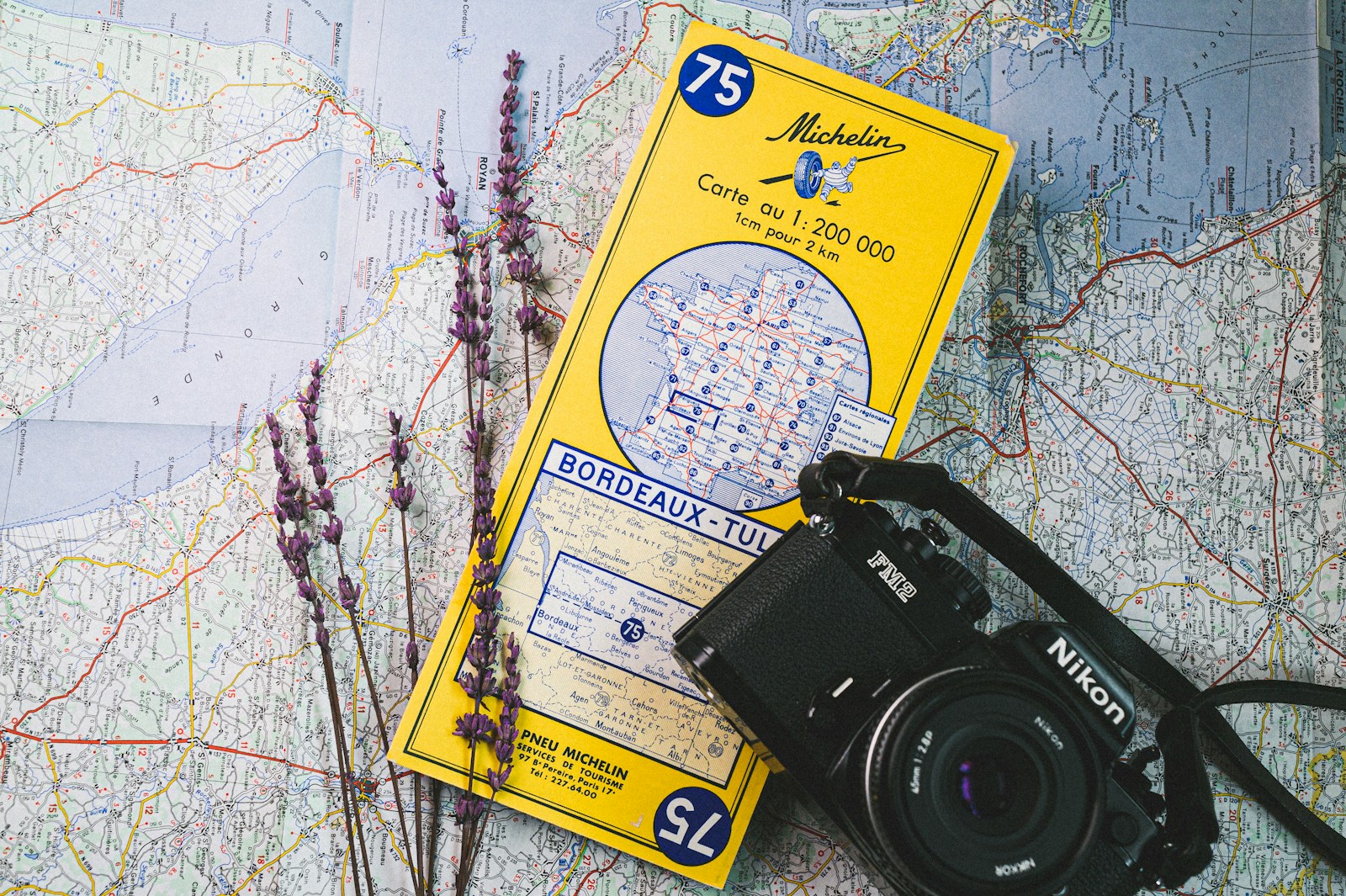
For those who meticulously plan every aspect of their vacations, from the minute details of daily activities to the precise timing of meals, this tendency may reflect deeper personality traits. Understanding these habits can shed light on how individuals approach not only travel but also their everyday lives. Recognizing these patterns is essential for self-awareness and personal growth.
1. Need for Control
A perfectionist itinerary often indicates a strong need for control. Individuals who plan every detail may feel anxious about unpredictability and prefer to have a say in every aspect of their experience. This need for control can extend beyond travel, affecting how they manage relationships and workplace dynamics.
2. High Anxiety Levels
People who rely heavily on structured plans may be grappling with anxiety. The fear of the unknown can drive individuals to create exhaustive itineraries as a coping mechanism. This behavior might manifest in other areas of their lives, displaying a tendency to overthink situations or avoid risks altogether.
3. Perfectionism
Those who insist on a perfect itinerary often have perfectionist tendencies. They may set impossibly high standards for themselves and others, leading to chronic dissatisfaction when things don’t go as planned. This trait can create pressure in personal and professional contexts, resulting in stress and burnout.
4. Desire for Achievement
Planning every detail of a trip can also signal a strong desire for achievement. Individuals who thrive on accomplishment may view a perfectly executed itinerary as a measure of success. This habit may carry over into their careers, where they seek recognition and validation through their meticulous work ethic.
5. Lack of Flexibility
A rigid approach to planning often suggests a lack of flexibility in one’s personality. Those who stick to a strict itinerary may struggle to adapt to unexpected changes or spontaneous opportunities. This inflexibility can hinder personal growth and limit experiences that come from embracing the unexpected.
6. Overthinking
Individuals who create detailed itineraries may engage in overthinking, analyzing every possible scenario and outcome. This habit can lead to decision paralysis, making it difficult to enjoy the moment or make choices without extensive deliberation. Overthinking can also impact relationships, as individuals may second-guess themselves frequently.
7. Need for Validation
For some, having a perfect itinerary is about seeking validation from others. They may believe that a well-organized trip will impress friends or family, reflecting their capabilities and worth. This need for external approval can create pressure and detract from the enjoyment of the experience.
8. Time Management Issues
While creating an itinerary can be a sign of strong organizational skills, it may also reveal underlying time management issues. Those who feel the need to plan every moment may struggle with prioritizing tasks or managing their time effectively in other areas of life. This discrepancy can lead to frustration and a feeling of inadequacy.
9. Fear of Missing Out (FOMO)
A detailed itinerary often stems from a fear of missing out on experiences. Individuals may feel compelled to include every possible activity to ensure they don’t overlook anything exciting. This fear can lead to overscheduling and ultimately detract from the ability to relax and enjoy the journey.
10. Lack of Spontaneity
Finally, those who need a perfect itinerary often lack spontaneity in their approach to life. The absence of a spontaneous spirit can limit one’s ability to embrace new experiences or opportunities that arise unexpectedly. While planning has its merits, the inability to go with the flow can lead to missed adventures and richer experiences.
Conclusion: Embracing Balance
Recognizing these personality traits associated with needing a perfect itinerary can serve as a valuable self-reflection tool. While planning can enhance travel experiences, it’s crucial to strike a balance between organization and flexibility. By becoming aware of these tendencies, individuals can work towards embracing spontaneity and reducing anxiety, leading to a more fulfilling and enjoyable life, both on and off the road.

As a mom of three busy boys, I know how chaotic life can get — but I’ve learned that it’s possible to create a beautiful, cozy home even with kids running around. That’s why I started Cultivated Comfort — to share practical tips, simple systems, and a little encouragement for parents like me who want to make their home feel warm, inviting, and effortlessly stylish. Whether it’s managing toy chaos, streamlining everyday routines, or finding little moments of calm, I’m here to help you simplify your space and create a sense of comfort.
But home is just part of the story. I’m also passionate about seeing the world and creating beautiful meals to share with the people I love. Through Cultivated Comfort, I share my journey of balancing motherhood with building a home that feels rich and peaceful — and finding joy in exploring new places and flavors along the way.