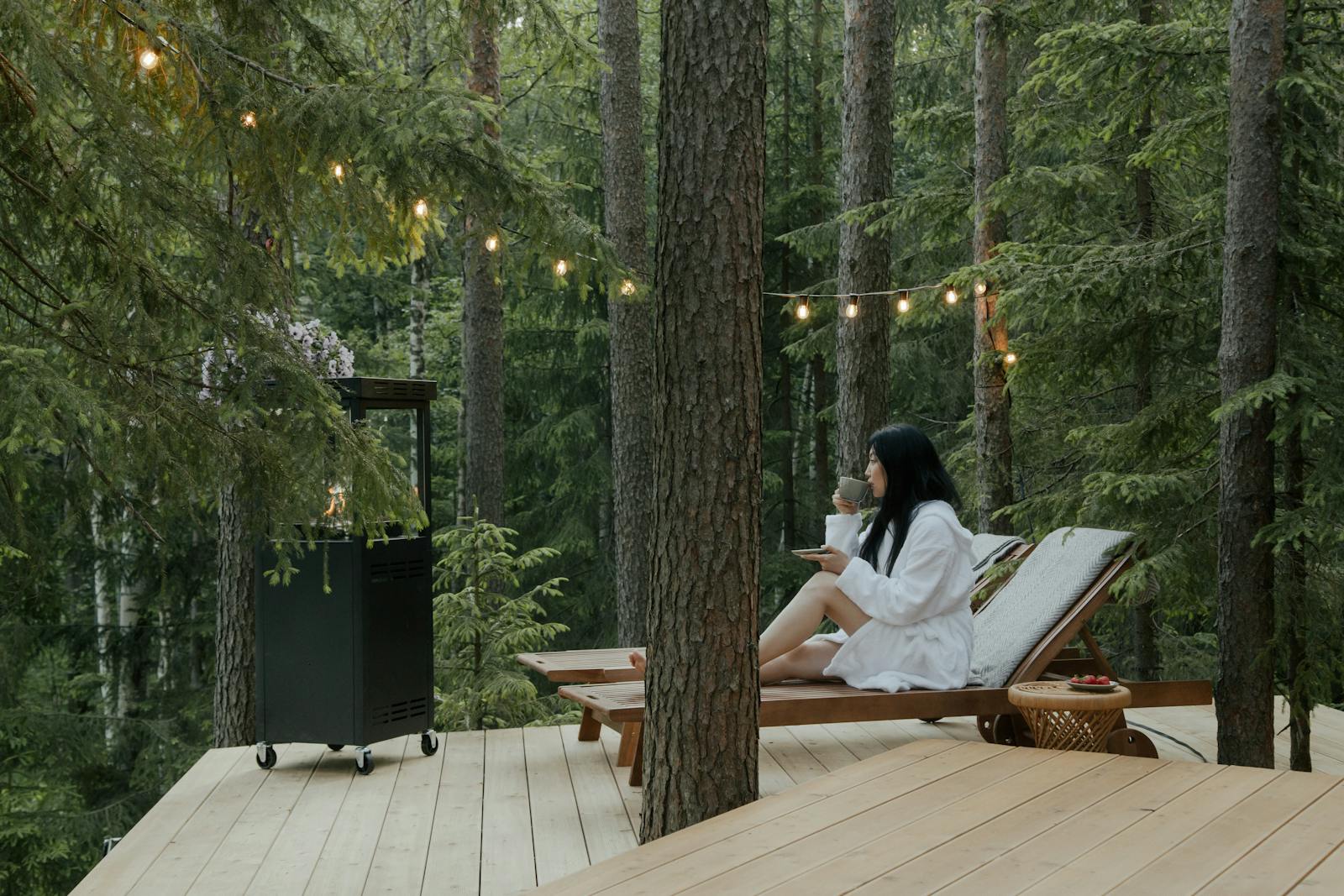
Many individuals struggle to unwind during vacations, a phenomenon that could indicate deeper issues related to control habits. This inability to relax affects a significant portion of the population, with experts suggesting that it stems from various psychological factors, including anxiety and perfectionism. Understanding these control habits is essential for improving mental health and enhancing overall vacation experiences.
The Importance of Relaxation on Vacation
Vacations are intended to provide a break from the stressors of everyday life, yet many people find themselves unable to enjoy this downtime. According to a recent survey, nearly 60% of individuals report feeling anxious or restless while on holiday. This trend is concerning as it not only diminishes the purpose of a vacation but can also lead to prolonged stress and burnout.
Understanding Control Habits
Control habits are behaviors that individuals develop to manage their environments and reduce uncertainty. These habits can manifest in various ways, such as over-planning, micromanaging, or needing to maintain a strict schedule. While having a degree of organization is beneficial, an excessive need for control can hinder one’s ability to relax and enjoy leisure time.
1. Perfectionism
Perfectionists tend to set unrealistically high standards for themselves, often leading to feelings of inadequacy when those standards are not met. During vacations, this might translate to over-planning activities or obsessively checking that everything is in order. The pressure to have a “perfect” vacation can create anxiety and prevent genuine enjoyment.
2. Fear of Missing Out (FOMO)
FOMO is a prevalent phenomenon, especially among younger generations who are constantly connected through social media. This fear can cause individuals to pack their itineraries with activities, leaving little room for relaxation or spontaneity. The desire to experience everything can lead to mental exhaustion rather than the rejuvenation that vacations are meant to provide.
3. Micromanagement
Some individuals feel compelled to oversee every detail of their trip, from hotel arrangements to meal planning. This micromanagement can stem from a lack of trust in others or a belief that only they can ensure things go smoothly. Such behavior can strip away the joy of discovery and adventure, leading to a stressful vacation experience.
4. Anxiety About Work
For many, the thought of stepping away from work can be anxiety-inducing. Concerns about unfinished tasks or the state of projects can make it challenging to fully engage in vacation activities. This work-related anxiety often leads to individuals checking emails or taking calls, further detracting from their ability to relax.
5. Inability to Delegate
Those who struggle to delegate tasks may find it hard to relinquish control, even during leisure time. This habit often stems from a belief that others won’t meet their standards. As a result, they may feel overwhelmed by responsibilities, making it difficult to enjoy their time away from home.
6. Overthinking
Overthinkers often find themselves trapped in cycles of worry and analysis, which can follow them on vacation. This tendency to ruminate can manifest as constant questioning of decisions or a focus on potential negative outcomes. Such mental preoccupation can cloud the enjoyment of the present moment, preventing true relaxation.
7. Lack of Boundaries
Individuals who struggle to set boundaries may feel compelled to answer work-related queries or engage in personal obligations during their vacation. This inability to disconnect can stem from a fear of letting others down or a belief that their worth is tied to their availability. Consequently, the vacation experience is marred by ongoing stress and distraction.
8. Social Comparisons
In today’s digital age, many individuals find themselves comparing their vacations to those of others, often leading to feelings of inadequacy. This habit can create pressure to create an “Instagram-worthy” experience, which detracts from the genuine enjoyment of the trip. The constant need for validation can overshadow the purpose of the vacation.
9. Resistance to Change
Some individuals struggle with accepting change, which can be particularly challenging during travel. Unexpected delays, changes in plans, or unfamiliar environments can trigger anxiety in those who thrive on control. This resistance can lead to frustration and prevent individuals from fully embracing new experiences.

As a mom of three busy boys, I know how chaotic life can get — but I’ve learned that it’s possible to create a beautiful, cozy home even with kids running around. That’s why I started Cultivated Comfort — to share practical tips, simple systems, and a little encouragement for parents like me who want to make their home feel warm, inviting, and effortlessly stylish. Whether it’s managing toy chaos, streamlining everyday routines, or finding little moments of calm, I’m here to help you simplify your space and create a sense of comfort.
But home is just part of the story. I’m also passionate about seeing the world and creating beautiful meals to share with the people I love. Through Cultivated Comfort, I share my journey of balancing motherhood with building a home that feels rich and peaceful — and finding joy in exploring new places and flavors along the way.