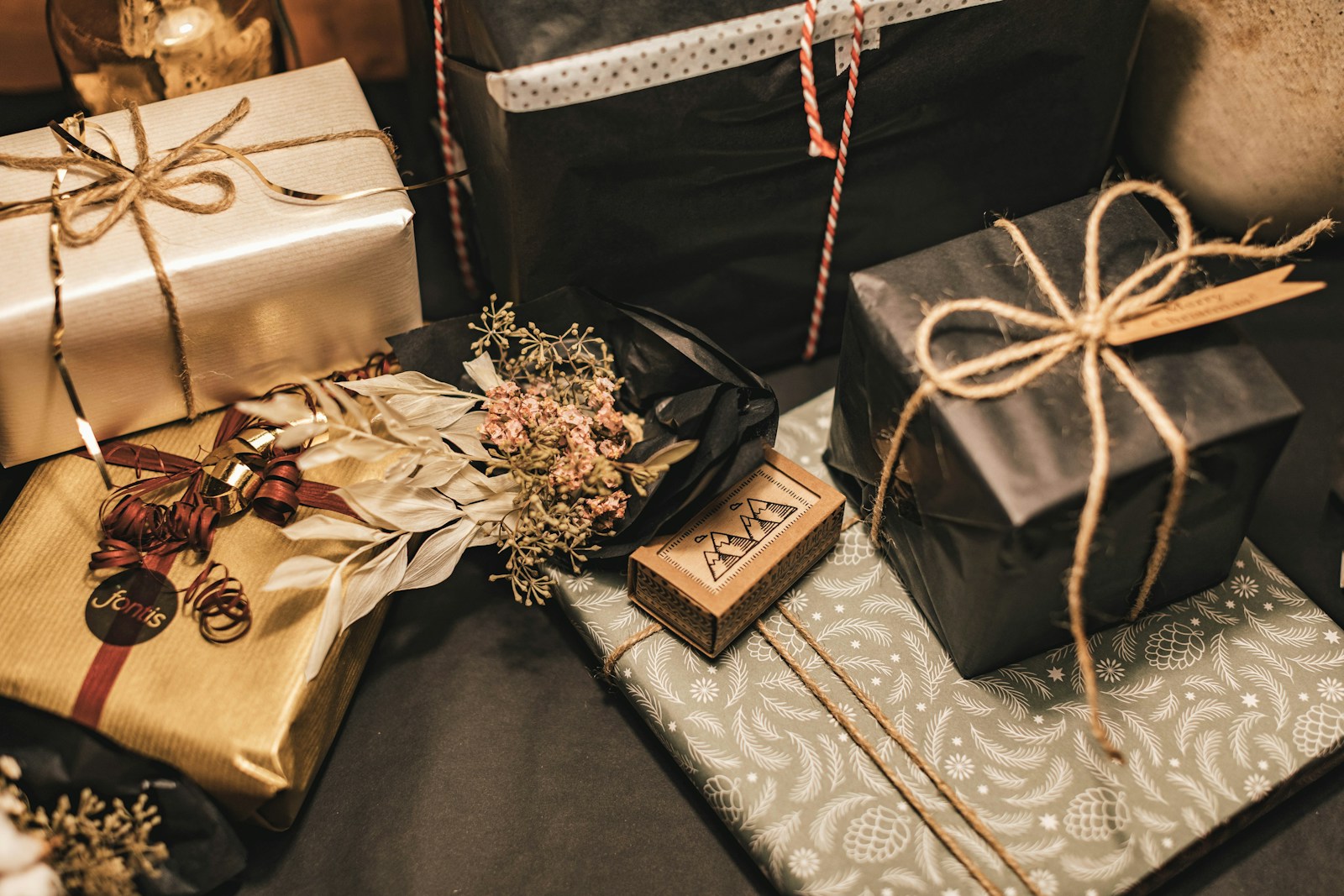
Many people hold onto every gift they’ve ever received, a habit that can reveal significant insights about their personality and emotional state. This tendency affects individuals across all demographics, sparking discussions about attachment, sentimentality, and the psychology behind gift-giving and receiving. Understanding the implications of this behavior can help individuals reflect on their values and relationships.
1. Emotional Attachment
Keeping every gift might indicate strong emotional ties to the giver. Gifts often carry memories and sentiments associated with the person who gave them, making it challenging to part with items that hold emotional weight. This attachment can reflect a desire to maintain connections with loved ones, even if they are no longer physically present in one’s life.
2. Sentimental Value
For many, gifts represent more than just material objects; they symbolize love, care, and thoughtfulness. Holding onto these items may signify a deep appreciation for the relationships in one’s life. Individuals who prioritize sentimentality often view gifts as tangible reminders of meaningful moments shared with friends and family.
3. Fear of Disappointment
Some people struggle with the fear of disappointing others, especially those who gave gifts with high expectations. This fear can lead to a reluctance to let go of items, as discarding them may feel like invalidating the giver’s feelings. This behavior often stems from a desire to avoid conflict or hurt, contributing to the accumulation of unwanted items.
4. Difficulty with Change
Holding onto every gift can also indicate a resistance to change or a fear of moving forward. For individuals who struggle with transitions in life, keeping gifts may provide a sense of comfort and stability. This attachment can hinder personal growth and make it challenging to embrace new experiences or relationships.
5. Perfectionism
Perfectionists may feel compelled to keep gifts as part of a quest for an idealized version of their lives. They might believe that every item represents a piece of a narrative they are trying to construct. This need for perfection can lead to an overwhelming accumulation of belongings that ultimately adds stress rather than joy.
6. Value of Materialism
Some individuals equate the value of relationships with the material gifts exchanged within them. Keeping every gift can reflect a materialistic mindset, where items are seen as symbols of worth or affection. This perspective can complicate relationships, as it may prioritize material exchanges over genuine emotional connections.
7. Nostalgia for the Past
Holding onto gifts can signify a longing for the past, where individuals cherish memories tied to specific moments in time. This nostalgia can manifest in a desire to relive happy experiences or to cling to life stages that have since passed. While nostalgia can be comforting, it can also impede one’s ability to engage fully in the present.
8. Fear of Loss
Fear of loss can drive people to keep every gift they’ve received, as each item serves as a reminder of relationships and experiences they do not want to lose. This fear can be particularly pronounced in individuals who have experienced significant loss in their lives. By holding onto gifts, they may attempt to preserve the essence of what was once there, creating an emotional safety net.
9. Social Pressure
Social expectations can also play a role in one’s decision to keep every gift. Individuals may feel obligated to retain items due to societal norms that dictate how gifts should be treated. This pressure can lead to a cluttered living space and a burdened emotional state, as individuals grapple with the perceived obligation to retain items regardless of their own feelings.
10. Clutter and Organizational Challenges
Lastly, keeping every gift can be a sign of organizational challenges or difficulty managing physical space. Those who struggle with organization may find it harder to part with items, leading to accumulation and clutter. This can impact mental well-being and create a stressful living environment, underscoring the importance of developing effective organizational skills.
Conclusion
Understanding the reasons behind the tendency to keep every gift can provide valuable insights into one’s personality and emotional health. Whether motivated by nostalgia, emotional attachment, or fear of loss, these behaviors can significantly impact relationships and overall well-being. Reflecting on these tendencies may encourage individuals to evaluate their attachment to material items and foster healthier relationships with both gifts and their givers.

As a mom of three busy boys, I know how chaotic life can get — but I’ve learned that it’s possible to create a beautiful, cozy home even with kids running around. That’s why I started Cultivated Comfort — to share practical tips, simple systems, and a little encouragement for parents like me who want to make their home feel warm, inviting, and effortlessly stylish. Whether it’s managing toy chaos, streamlining everyday routines, or finding little moments of calm, I’m here to help you simplify your space and create a sense of comfort.
But home is just part of the story. I’m also passionate about seeing the world and creating beautiful meals to share with the people I love. Through Cultivated Comfort, I share my journey of balancing motherhood with building a home that feels rich and peaceful — and finding joy in exploring new places and flavors along the way.