It was one of those waiting rooms that feels like a shared, low-grade endurance sport. Every chair was taken, the air smelled faintly of disinfectant and coffee, and the TV in the corner was playing a morning show on low volume like it was trying not to bother anyone while still bothering everyone. People were doing the usual waiting-room things: scrolling, sighing, pretending not to listen to other people’s phone calls.
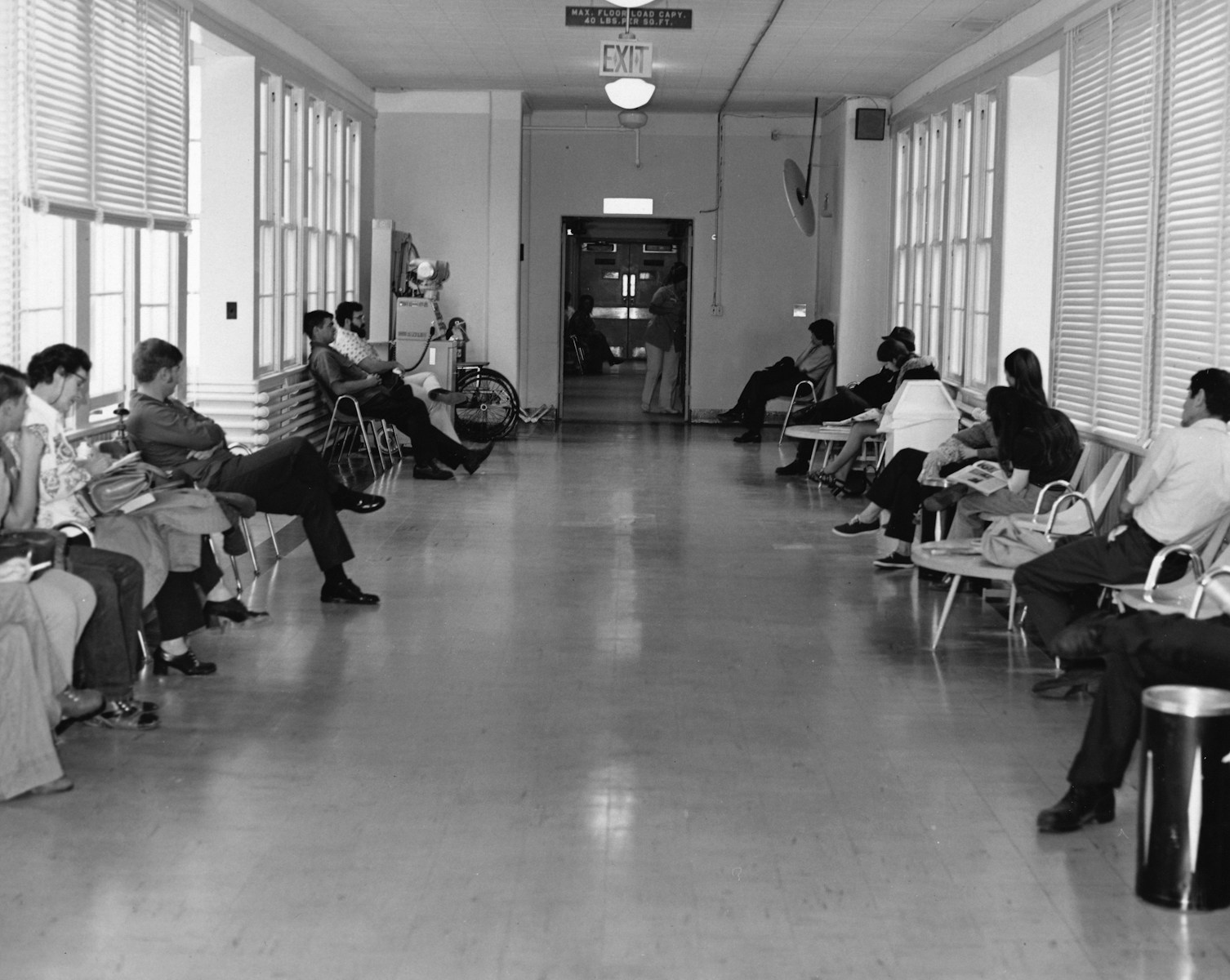
And then came the moment that launched a thousand silent debates in people’s heads: a seat dispute. Not over a luxury recliner or a front-row spot to a concert—just a basic chair near a stack of outdated magazines.
A Seat Saved the Old-Fashioned Way
The story, shared by a patient after a routine appointment, starts pretty normally. They arrived to find the office packed, grabbed one of the last open chairs, and did what most people do when they need to check in: they stood up for a minute. The chair wasn’t special, but in a crowded room, it might as well have been beachfront property.
To make it clear they weren’t abandoning their spot, they left their coat draped over the back of the chair. It’s the universal sign for “I’m still here,” right up there with leaving a tote bag on the seat or placing your coffee down like a tiny, caffeinated traffic cone. Then they walked the short distance to the reception desk to confirm their appointment.
“You Weren’t Actually Sitting There”
By the time they turned around, someone else was in the chair. Not hovering near it, not asking about it—fully seated, settled in, as if the coat was a decorative choice made by the clinic. The patient, caught off guard, walked over and politely said something along the lines of, “Oh, sorry—that was my seat.”
The man sitting there didn’t apologize or even do the classic half-stand that signals you might be willing to move. Instead, he delivered a line that sounded like it was pulled from a courtroom drama about chair law: the patient “wasn’t actually sitting there.” In other words, no body in chair, no claim.
It’s the kind of logic that technically works if you’re playing musical chairs, but feels a little shaky in the real world where people have to check in, fill out forms, and occasionally stand up so their spine doesn’t fuse to vinyl upholstery. The coat, the timing, and the fact that they’d been gone for about a minute didn’t seem to matter to him.
The Waiting Room’s Unwritten Rules
Most waiting rooms operate on a simple social contract: you’re all stuck together, so you try to be decent. If someone gets up to talk to the front desk, refill their water, or chase down a toddler who’s making a break for the hallway, their seat is still basically their seat. It’s not a legal deed, but it’s close enough for polite society.
That’s why this kind of thing hits a nerve. It’s not just about the chair; it’s about the little moments of cooperation that keep public spaces from turning into daily micro-battles. When someone ignores those norms, it can feel weirdly personal, even if you know it probably isn’t.
And yes, seats are scarce in some offices, especially during flu season or first-thing Monday morning. But scarcity doesn’t automatically turn every chair into a “finders keepers” situation. If anything, it raises the stakes for being considerate.
What Happened Next (and Why It Felt So Awkward)
The patient stood there for a second, weighing options. Do you push back and risk becoming the day’s entertainment? Do you let it go and stand, even though you arrived on time and did nothing wrong? Do you try to recruit the receptionist like you’re calling in a referee?
They tried a calm repeat: “I just stepped up to check in. I left my coat there.” The man, reportedly unfazed, doubled down. He wasn’t rude in an explosive way—more in a flat, immovable way—like a person who has decided the world runs on technicalities and he’s here to enforce them.
A couple of people nearby glanced up, then immediately found their phones fascinating again. That’s another waiting room rule: unless someone is actively on fire, most bystanders will avoid eye contact and hope the situation resolves itself quietly.
Why People Pull Moves Like This
There are a few possibilities, and none of them require assuming the man is a comic-book villain. Maybe he genuinely thought the seat was free and didn’t notice the coat, which is hard to imagine but not impossible. Maybe he noticed and decided it didn’t count, which is… bold.
Or maybe it was pure impatience. Waiting rooms make people anxious—about time, about symptoms, about cost, about the awkwardness of coughing in public and wondering if you’re getting judged. For some folks, anxiety comes out as control, and control can look like claiming space, even when it’s not theirs.
Still, “you weren’t actually sitting there” is a special category of argument. It’s not just taking the seat; it’s trying to rewrite reality so the other person feels unreasonable for objecting. That’s what made the moment linger.
How to Handle a Seat Theft Without Starting a Scene
People who’ve worked in clinics say these disputes happen more than you’d think, and the best approach is usually calm, clear, and boring. A simple “I was sitting there and just stepped away to check in” is often enough when the other person is acting in good faith. Adding one practical detail—“My coat is on the chair”—helps keep it factual instead of emotional.
If the person won’t budge, the next move is to loop in staff without making it a spectacle. Not as a punishment, just as a logistics problem: “Hi, I stepped up to check in and someone took my seat. Is there another chair available, or can you help?” Staff can’t always police etiquette, but they can sometimes find an extra chair or relocate people in a way that doesn’t turn into a standoff.
And if you’re the one who ends up standing, it doesn’t mean you “lost.” Sometimes it’s just triage for your own peace of mind, especially if you’re already not feeling great. The frustrating part is that you shouldn’t have to do that, but the practical part is that you deserve the least stressful version of your day.
The Bigger Thing Everyone Was Thinking
Afterward, the patient couldn’t stop replaying it—not because a chair is life-changing, but because it was such a clean little snapshot of modern friction. Two strangers, one shared space, one tiny decision about whether to be decent. It’s amazing how fast a waiting room can feel like a social experiment no one signed up for.
It also raised a question a lot of people quietly carry: what counts as “holding” a seat? Most of us assume a jacket, bag, or even a clear “I’ll be right back” to the person next to you does the job. Apparently, at least one guy out there believes unless your butt is in the chair at all times, your claim expires instantly.
In the end, it wasn’t the seat itself that stuck with them—it was the sheer confidence of the line. “You weren’t actually sitting there,” delivered like a final verdict, as if the waiting room had bylaws and he’d memorized them. If nothing else, it’s a reminder that public spaces run on tiny acts of goodwill, and when one person opts out, everyone feels the draft.
More from Cultivated Comfort:
- 7 Vintage Home Items From the ’60s That Are Collectors’ Dream Finds
- 7 Vintage Home Goods That Became Collectors’ Gold
- 7 Fast-Food Chains That Changed for the Worse
- 7 Frozen Dinners That Were Better Back in the Day

As a mom of three busy boys, I know how chaotic life can get — but I’ve learned that it’s possible to create a beautiful, cozy home even with kids running around. That’s why I started Cultivated Comfort — to share practical tips, simple systems, and a little encouragement for parents like me who want to make their home feel warm, inviting, and effortlessly stylish. Whether it’s managing toy chaos, streamlining everyday routines, or finding little moments of calm, I’m here to help you simplify your space and create a sense of comfort.
But home is just part of the story. I’m also passionate about seeing the world and creating beautiful meals to share with the people I love. Through Cultivated Comfort, I share my journey of balancing motherhood with building a home that feels rich and peaceful — and finding joy in exploring new places and flavors along the way.