Travel through major hubs like JFK and LAX will feel faster and less fussy for many passengers when the TSA expands its Touchless ID and checkpoint changes to 37 airports by Spring 2026. If you already use TSA PreCheck and keep a passport on file with your airline, you may be able to skip handing over an ID and move through a dedicated touchless lane instead.
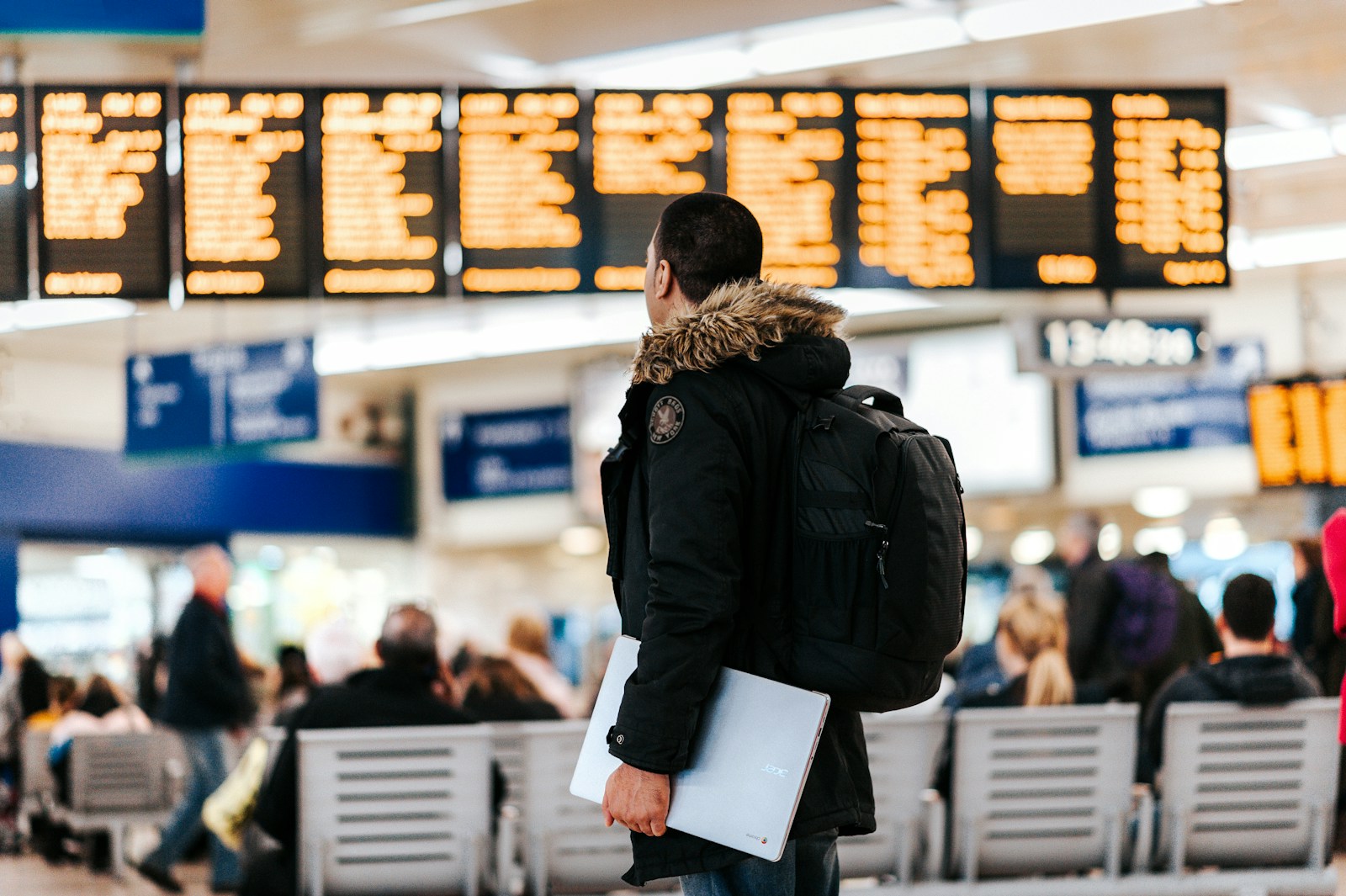
This post explains what to expect at those airports, which travelers qualify for the new lanes, and how the updated process aims to smooth the security bottleneck. Follow along to learn which steps to take before you fly and how the changes could shorten time at the checkpoint.
What to Expect From the TSA Policy Shift at 37 U.S. Airports
Passengers will see faster screening at major hubs, fewer shoe removals, and clearer ID checks tied to Real ID or passports. Changes target staffing, checkpoint flow, and which documents count for domestic travel.
Key Changes for JFK, LAX, and Major Airports
JFK and LAX will get expanded checkpoint staffing and reconfigured lanes to reduce bottlenecks during peak hours. The Transportation Security Administration plans to add personnel and adjust screening layouts so more travelers can pass through standard lanes without long waits.
Airports identified in the rollout will receive updated signage and queuing systems to speed identity verification and bag screening. Expect designated lanes for travelers using mobile or digital boarding passes and faster secondary-screening procedures at busy international-transfer points like Salt Lake City International Airport.
The Department of Homeland Security will oversee staffing shifts and implementation timelines through its regional offices. Travelers should watch airport notices and airline alerts for exact start dates and lane changes at specific terminals.
Shoes-Off Policy Elimination: What It Means for Travelers
Travelers no longer need to remove shoes at TSA checkpoints at participating domestic airports, cutting one common hold-up in security lines. Shoes that can trigger alarms during X-ray screening will still require targeted checks or swabs.
This change aims to preserve security standards while reducing the number of items passengers must handle. It also shortens the time spent at each checkpoint step, particularly for families and travelers with carry-on-only itineraries.
TSA officers will still conduct random or risk-based checks and may ask for shoes to be removed if a screen flags an anomaly. Those who prefer extra caution should keep easy-to-remove footwear handy, since individual checkpoints may apply procedures case-by-case.
REAL ID Enforcement: New ID Rules Explained
The TSA will enforce Real ID requirements for domestic flights more consistently at the affected airports. Travelers must present a Real ID-compliant license, passport, or other acceptable identification at TSA checkpoints for boarding verification.
Airlines and airports will update boarding procedures to check IDs earlier in the flow, reducing last-minute issues at the checkpoint. If a passenger lacks a Real ID when it’s required, they may be allowed to fly with an acceptable alternative such as a U.S. passport; otherwise, boarding can be denied.
The Department of Homeland Security will coordinate outreach so travelers know which IDs meet the new verification standards. Passengers should confirm their ID status well before travel to avoid delays at TSA checkpoints.
How the Changes Improve the Airport Experience
Passengers will see shorter lines, fewer removals at checkpoints, and faster ID checks through expanded programs and new screening tech. Specific benefits touch wait times, what travelers can carry in a quart-sized bag, and how ID systems like TSA PreCheck and ConfirmID change processing.
Reduced Wait Times at Security Checkpoints
Improved passenger flow comes from more lanes and updated checkpoint layouts at the 37 airports, which reduces bottlenecks during peak hours. Staffing increases and operational changes prioritize processing outbound domestic travelers, uniformed service members, and high-throughput gates to keep lines moving.
TSA is also using data-driven scheduling to place screeners where demand peaks, which shortens queue times for both standard and PreCheck lines. Travelers may notice fewer secondary bag checks because advanced screening catches more threats without interrupting the main line.
Airports will implement visible queue-management tools and clearer signage to cut confusion at entry points. That reduces time spent repacking quart-sized bags and speeds the overall passenger experience through checkpoints.
Modern Screening Technologies and Liquid Rules
Next-generation screening machines that detect threats without requiring passengers to remove electronics and liquids will roll out, enabling travelers to keep items in carry-ons. Until those systems are widespread, the 3-1-1 liquid rule and quart-sized bag requirement remain in effect at most checkpoints.
Advanced imaging and computed tomography (CT) scanners provide 3D views of carry-ons, which lowers false alarms and reduces manual inspections. That means fewer bags opened for physical checks and fewer delays for people carrying toiletries or travel-sized liquids.
Facial recognition and automated ID-to-bag matching will accelerate identity verification and baggage checks. When fully deployed, those technologies aim to reduce touchpoints and let passengers move through screening with less handling of documents and belongings.
TSA PreCheck, ConfirmID, and Touchless ID Programs
Expanded TSA PreCheck lanes at the affected hubs let approved travelers keep shoes and belts on and leave laptops in bags, speeding the journey through security. PreCheck enrollment remains required, but broader PreCheck capacity reduces wait time disparities between travelers.
TSA ConfirmID and touchless ID initiatives will more frequently use digital verification and biometrics to confirm identity, decreasing manual ID checks at checkpoints. Travelers should prepare by ensuring their REAL ID or other accepted ID is current to avoid enrollment hiccups.
These programs also include special considerations for service members and enrollments tied to Secure Flight records, helping vetted travelers move faster. The combined effect promises a smoother passenger experience and a move toward a more touchless, efficient checkpoint process.
More from Cultivated Comfort:
- 7 Vintage Home Items From the ’60s That Are Collectors’ Dream Finds
- 7 Vintage Home Goods That Became Collectors’ Gold
- 7 Fast-Food Chains That Changed for the Worse
- 7 Frozen Dinners That Were Better Back in the Day

As a mom of three busy boys, I know how chaotic life can get — but I’ve learned that it’s possible to create a beautiful, cozy home even with kids running around. That’s why I started Cultivated Comfort — to share practical tips, simple systems, and a little encouragement for parents like me who want to make their home feel warm, inviting, and effortlessly stylish. Whether it’s managing toy chaos, streamlining everyday routines, or finding little moments of calm, I’m here to help you simplify your space and create a sense of comfort.
But home is just part of the story. I’m also passionate about seeing the world and creating beautiful meals to share with the people I love. Through Cultivated Comfort, I share my journey of balancing motherhood with building a home that feels rich and peaceful — and finding joy in exploring new places and flavors along the way.