Meet Jake, a 32-year-old guy from a sprawling, tight-knit family. Growing up, the bonds that tied him to his grandparents, aunts, uncles, and a multitude of cousins felt unbreakable. Family gatherings were a staple of his childhood—holiday dinners, church services, and weekend barbecues where laughter echoed and stories were shared. Yet, as he ventured into his late teens and early twenties, everything began to shift.
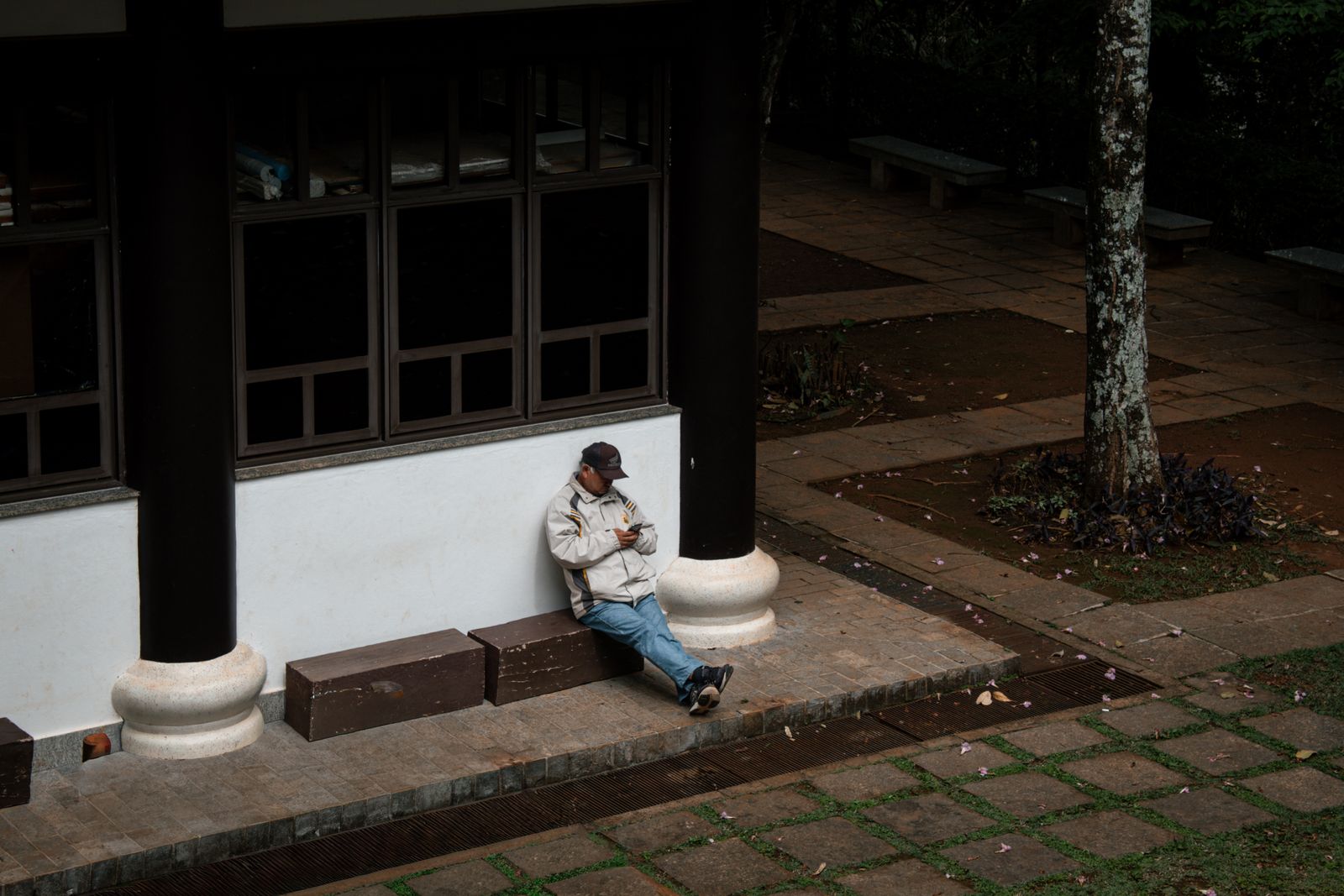
Jake was no stranger to challenges. College, with its social pressures and academic hurdles, quickly became an uphill battle. Relationships that had once seemed promising crumbled under the weight of his insecurities. Instead of reaching out, he chose to withdraw, convinced that he was the family outcast—the screw-up who could never quite fit in. Over time, this belief morphed into a haunting shadow, influencing his decisions to distance himself from those he had once considered central to his life.
It started subtly. Jake began skipping family events, brushing off invitations to holidays, and ignoring group chats. There was no dramatic fight or falling out; it was more like a slow fade into the background. He focused solely on rebuilding his life, convinced that it was the best way to handle his struggles. It wasn’t until a decade had passed that the full weight of his absence hit him. He hadn’t just pulled away; he had completely removed himself from the fabric of his family.
As he transitioned into his thirties, Jake was struck by the realization of what he had missed. His cousins had grown up, traded the carefree days of childhood for the responsibilities of adulthood. Some had even tied the knot, while others were welcoming children into the world. Meanwhile, Jake was wrestling with the reality that he barely knew some of these relatives anymore. The emotional ties that had once held them close were now frayed and nearly nonexistent.
His family continued to thrive without him. Birthdays, weddings, and holidays rolled by, leaving Jake on the outside looking in. It wasn’t that he wished for an invite; rather, the absence of connection made him question what his role even was within this new chapter of their lives. Was he still considered part of the family? Did anyone even notice he was gone? The longer he stayed away, the more he ruminated over his assumption that his family viewed him negatively. He wondered if they thought he didn’t want to be involved, or worse, if they secretly resented him for not showing up.
What struck Jake the most was the emotional neutrality he felt about the situation. On one hand, he didn’t miss his family—it was hard to miss people he hardly knew anymore. His life had moved forward, but the emotional baggage of those past relationships lingered in an odd limbo. He had made significant strides in his life; he had bought a place of his own and established a career. Yet that monumental effort felt like it was achieved in solitude, disconnected from his roots.
As Jake pondered his next steps, a nagging question surfaced: what would happen if he decided to get married? Who would he invite to his wedding? He had a family, but they were mere names and faces in his memory, not the people he felt comfortable sharing such a personal milestone with. The prospect of sitting at a table surrounded by relatives he hardly knew felt like an odd juxtaposition against the backdrop of his life. Would they even show up? Or would they see it as another opportunity to reinforce the divide that had grown over the years?
Inside, Jake wrestled with feelings of regret but also a strange sense of freedom. He didn’t feel sad about his choices but rather bewildered by the vast emotional landscape that had opened up in his absence. It was a complex web of familial ties that had evolved without him, and he was left to navigate the strains of reconnection, if he even decided to pursue it at all.
In the end, Jake found himself at a crossroads, reflecting on the past decade of distance. The question remained: should he reach out and reconnect with the family he had sidelined? Or was it too late, and was it better to let those ties remain as they were—fragile but unbroken?
More from Cultivated Comfort:
- 7 Vintage Home Items From the ’60s That Are Collectors’ Dream Finds
- 7 Vintage Home Goods That Became Collectors’ Gold
- 7 Fast-Food Chains That Changed for the Worse
- 7 Frozen Dinners That Were Better Back in the Day