It’s one of those small, everyday situations that somehow turns into a weird social standoff. A simple decision like where to sit suddenly becomes a question of etiquette, entitlement, and whether keeping the peace is worth giving up your spot.
That’s exactly why this story caught attention. Most people have had a “usual spot” somewhere, whether it’s a classroom, café, or library. But what happens when someone else gets there first and doesn’t care about your routine?

What happened at the library
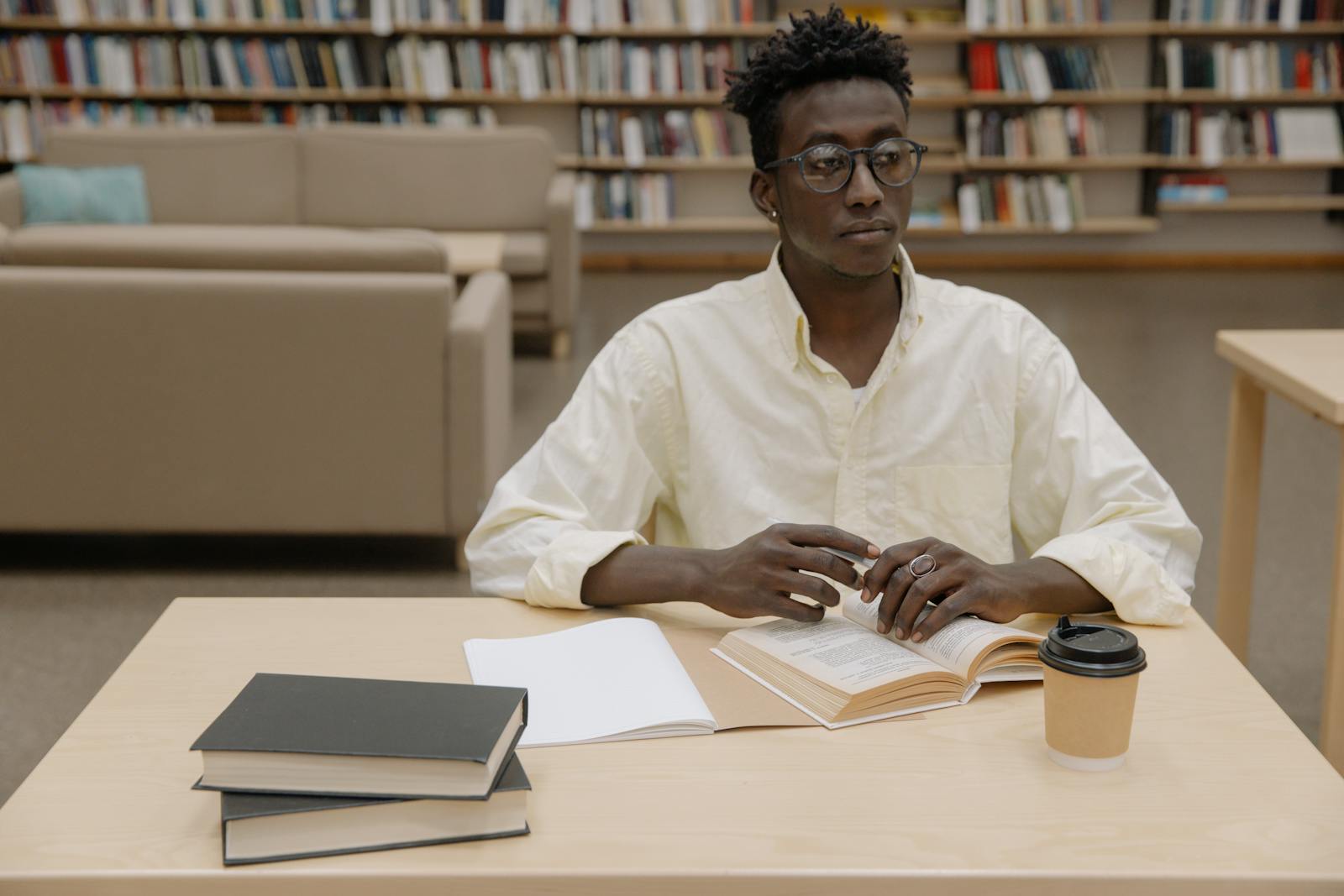
A 20-year-old student went to the library to study and chose an open desk in a quiet corner. It was a good spot with an outlet, but nothing indicated it was reserved or assigned.
About 10 to 15 minutes later, another student approached and said he was sitting in “his spot.” At first, it seemed like a joke, but the guy was serious. He explained that he uses that exact desk every day and asked him to move.
The student refused, pointing out that the desk was open when he arrived. That’s when the situation got a bit awkward.
The other guy insisted it was an “unspoken thing” and claimed people usually respect it, especially since it’s part of his daily routine. But despite the back and forth, the student stood his ground and didn’t move. Eventually, the other guy left, clearly annoyed.
Afterward, the student started wondering if he should have just moved to avoid the tension, even if the request didn’t make sense.
The awkward question of “unspoken rules”
What made this situation interesting is that it sits in that gray area between politeness and entitlement.
On one hand, people do develop habits and routines. Sitting in the same spot every day can feel comforting, especially in a stressful environment like studying.
On the other hand, a public library is exactly that. Public.
There was no reservation system, no sign, and no agreement that the desk belonged to anyone. The idea of an “unspoken rule” only works if everyone agrees to it. In this case, it clearly wasn’t universal.
The bigger issue wasn’t even the request. It was the expectation that someone else should automatically give up a perfectly valid spot because of another person’s preference.
Why people sided strongly one way
Most reactions were pretty firm. People saw this less as a misunderstanding and more as a case of entitlement.
There was also a strong theme around boundaries. Saying no in an awkward situation can feel uncomfortable, but many pointed out that giving in would only reinforce that kind of behavior.
At the same time, a few people acknowledged that the other student might just be very routine-driven. But even then, they emphasized that personal habits don’t override shared space rules.
How people reacted
A lot of comments focused on the basics.
pizzathym3 said, “It’s a public place. The fact that he had the audacity to ask you to move is wild.”
Others pointed out that having a favorite spot doesn’t equal ownership.
takealeftonthird wrote, “I have usual spots but I have never once asked anyone to move… it’s not fair.”
Some responses were even more direct about how public spaces work.
DenverNugs commented, “First come first serve. If it’s so important, he should get there earlier.”
There were also more nuanced takes.
blue_whalen shared, “I get stuck in routines… but I’m not about to be rude about a desk that isn’t mine.”
And some highlighted the importance of not giving in just to avoid discomfort.
WhereWeretheAdults said, “They think if they complain long enough, their victim will give up to keep the peace.”
In the end, most people agreed on one thing. It’s okay to have a favorite spot, but it’s not okay to expect strangers to treat it like it’s reserved.
More from Cultivated Comfort: