In a world that often champions inclusivity and acceptance, the line between honesty and insensitivity can become blurred, especially in the realm of dating. A 22-year-old gay man recently found himself grappling with this very issue after a date took an unexpected turn when the topic of disability arose.
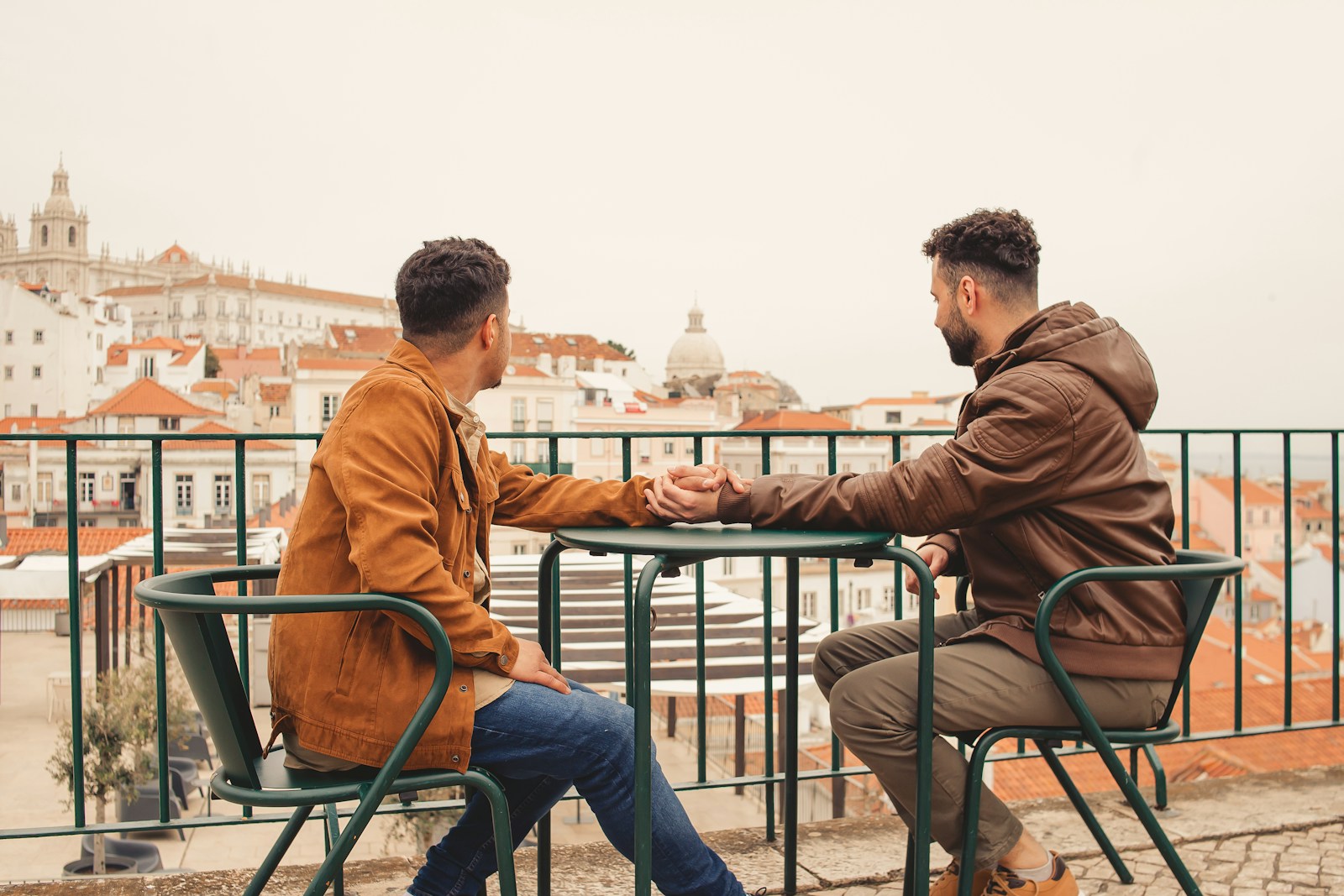
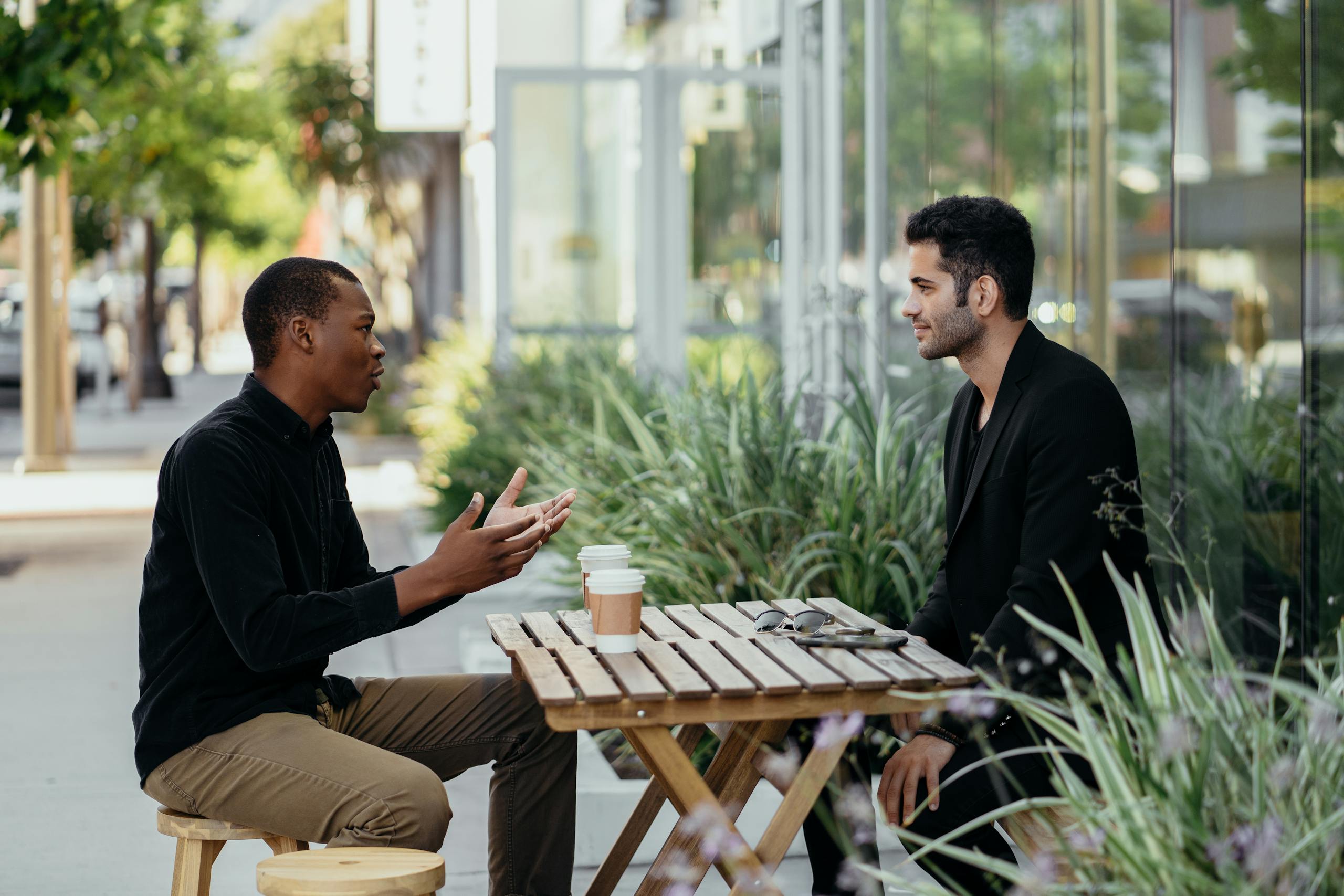
He met a guy, a 23-year-old who seemed charming and engaging at first. Their conversation was flowing smoothly until the date steered into a territory that would ignite a heated discussion. Out of the blue, the older guy posed a question that caught him off guard: “Would you date a guy who was fully blind if you thought he was hot?”
The young man considered it for a moment, then decided to embrace honesty. “I’mma be honest—no,” he replied, prefacing his response with a clarifying statement. He went on to explain his rationale, sharing that while he might be able to imagine himself in a long-term relationship with someone who became blind over time, starting anew with someone who was fully blind was a different story. “I think most people would feel the same, and it’s reasonable to feel that way,” he added, emphasizing his perspective on the matter.
But this seemingly straightforward response quickly turned sour. The man’s date, who had been seeking a candid discussion, became visibly upset. “You seem really ableist,” he retorted, accusing the young man of believing that disabled people were unworthy of love. To add to the tension, he declared that he wasn’t interested in pursuing a relationship with someone who held such views. The young man was taken aback. His honest opinion, intended to offer transparency, had been interpreted as a grave offense.
After the date ended, the young man found himself in a whirlwind of emotions, questioning whether he had crossed a line. Was his straightforwardness justified, or had his honesty cast him in the role of an unintentional villain? In a culture increasingly sensitive to discussions about ability and disability, he went home pondering the complexities of this interaction.
As he sat alone, he reflected on the nature of attraction and relationships. Was it inherently ableist for him to feel uncertain about starting a relationship with someone with a disability? He understood that many people might share his apprehensions, even if they wouldn’t openly admit it. Was his response simply a reflection of societal norms and expectations?
He was keenly aware of the conversations surrounding disability and dating, noting how often they seemed to revolve around perceptions, biases, and misconceptions. Yet, he had never considered himself ableist. He had friends in the disabled community and always tried to support them as best as he could. The label felt harsh and unearned. Through the lens of his life experiences, he had thought of relationships as built on shared experiences and mutual understanding—something he hadn’t anticipated would make such a significant impact on his date.
As he navigated these thoughts, he sought solace in online forums, hoping to find others who might have faced similar dilemmas. The question loomed large in his mind: “Am I the asshole for expressing my honest feelings about dating someone who is fully blind?” He posted his story on Reddit, seeking clarity from the community.
The thread, once it gained traction, became a mix of perspectives. Some commenters affirmed his right to feel the way he did, arguing that attraction is a complex, personal matter that often cannot be dictated by kindness or political correctness. Others, however, stood firm in their belief that his response was indeed ableist, insisting that love and connection should know no boundaries.
This ongoing debate left the young man grappling with several questions. How do individuals navigate the nuances of attraction, especially regarding disabilities? And, perhaps most importantly, how can one balance honesty with empathy in the delicate world of dating? The feedback from the Reddit community was vast and varied, leading him to realize that his experience resonated with many who had grappled with similar situations.
Ultimately, while he may never have complete resolution regarding his feelings, this encounter became a poignant reminder of the complexities of human connection and the ongoing conversations that shape modern relationships. Whether he was right or wrong in his feelings, he knew one thing for sure—he had learned something valuable about the intricacies of love, acceptance, and the undeniable power of honesty.
More from Cultivated Comfort:
- 7 Vintage Home Items From the ’60s That Are Collectors’ Dream Finds
- 7 Vintage Home Goods That Became Collectors’ Gold
- 7 Fast-Food Chains That Changed for the Worse
- 7 Frozen Dinners That Were Better Back in the Day