You’ll recognize this article the moment it starts to feel familiar — it speaks to instincts, steady presence, and the quiet actions that make someone a natural father. You’ll learn why certain men instinctively create safe, supportive spaces for kids and how those behaviors show up in daily life.
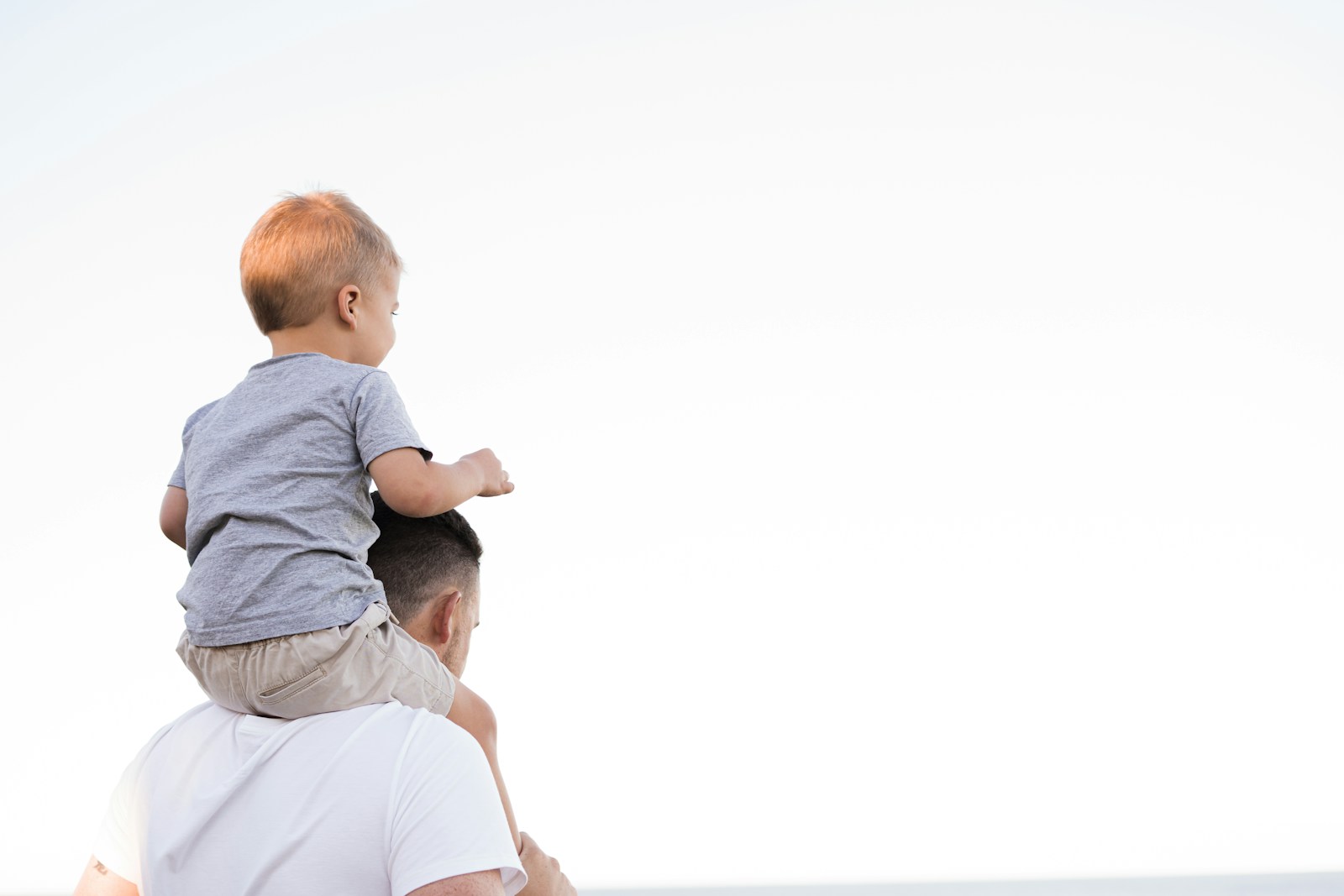
Flip through the sections and you’ll find practical traits that explain how natural fathers guide, protect, and nurture without needing a script. Expect clear examples of empathy, responsibility, steady calm, and hands-on involvement that shape children’s development and family life.
Deep empathy for their children
You notice when a dad reads the room—he senses your mood before you say a word.
He reflects feelings back calmly, helping you name emotions and feel understood.
He tunes his reactions to match your needs, offering comfort or space as required.
That steady emotional mirroring teaches you to trust your feelings and manage them.
Look for gentle curiosity in questions he asks; it shows he values your inner life.
Strong sense of responsibility
You take obligations seriously and prioritize your family without being asked.
That means showing up on time, keeping promises, and handling the practical stuff that keeps life steady.
You also teach responsibility by example, so your actions shape your kids’ habits.
This steadiness builds trust and gives your children a reliable foundation to grow from.
Patient and understanding nature
You listen before you speak and give kids space to work through feelings. That calm patience helps them learn emotional self-control.
You stay steady during tantrums and setbacks, choosing guidance over punishment. Small, quiet responses teach more than loud reactions.
You ask questions to understand, not to judge. That habit makes your child feel heard and safe.
Instinctive protector mindset
You notice risks faster and act without overthinking. That protective reflex shows up as checking locks, planning safe routes, or stepping in when something feels off.
You balance vigilance with calm so your family feels secure, not controlled. That mix of readiness and steady presence makes your care practical and reassuring.
You model boundaries and teach safety through small, everyday choices. Those habits quietly shape your children’s sense of confidence and well-being.
Consistent emotional support
You show up for the small moments—the scraped knee, the late-night worry, the quiet wins—and that steady presence matters more than grand gestures.
You validate feelings without fixing everything, which teaches your child emotional honesty and trust.
When you stay calm in crises, you model regulation and resilience.
That consistency builds a safe base so your child knows they can rely on you through ups and downs.
Ability to listen without judgment
You stay present when your child talks, even about small worries. That calm attention helps them feel safe and understood.
You resist jumping in with solutions or criticism. Instead you ask gentle questions and mirror feelings so they learn to name emotions.
Listening without judgment doesn’t mean you agree with everything. It means your reactions teach trust, not fear.
Genuine pride in their kids’ achievements
You celebrate small wins like they matter, because they do.
You show up at recitals and games, not for applause but to let your child know they’re seen.
You point out effort as much as outcome.
That teaches your kid that hard work and trying are worth pride, win or lose.
You share that pride openly and calmly, without stealing the spotlight.
It helps your child feel confident and grounded as they try new things.
Willingness to sacrifice personal time
You rearrange plans without drama when your child needs you. Small daily trade-offs—less hobby time, late nights—become routine because their needs matter more.
You prioritize presence over perfection. That could mean skipping an event to attend a recital or trading weekend work for extra playtime.
Those choices often boost your satisfaction and strengthen bonds. They also teach kids about commitment and reliability through your actions.
Natural role model behavior
You show kids how to act by doing it yourself — honesty, patience, and respect become visible when you model them daily.
Small choices matter: apologizing, keeping promises, and handling stress calmly teach more than lectures ever will.
You make space for questions and mistakes, and you respond without judgment.
That steady presence signals safety and gives kids a clear blueprint for their own behavior.
Steady, calming presence
You notice his calm first; it sinks into the room and slows everyone down.
That steadiness helps you feel safe when things go sideways, because he stays even-toned and practical.
He listens without rushing to fix, which lets you process and trust your own feelings.
Over time, his consistent reactions teach you how to regulate your emotions and face stress with more confidence.
Open communication style
You speak honestly and listen without judgment, which helps kids feel safe to share worries or wins.
You model clear emotional language, naming feelings simply so your child learns to do the same.
You make time for small check-ins—short conversations after school or before bed—that build trust over weeks.
You stay steady when emotions spike, guiding the talk back to calm and solutions without shutting it down.
You ask open questions and follow up, showing that you value your child’s perspective and ideas.
Encouraging growth and independence
You give kids space to try things on their own while staying ready to help.
Small risks—like letting them handle a new task—build confidence over time.
You ask questions that guide decision-making instead of solving every problem.
That teaches problem-solving and shows you trust their judgment.
You celebrate effort and steady progress, not just wins.
That helps them value learning and keeps them willing to try again.
Gentle yet firm discipline
You set clear limits without anger, so your kids know what to expect.
You follow through calmly, which teaches responsibility more than yelling ever could.
You correct behavior with explanation, not humiliation.
You balance warmth and consistency so discipline feels fair, not arbitrary.
High level of emotional intelligence
You notice your patience and listening skills improve as you become a dad. You read cues—tone, facial expressions, body language—and respond in ways that soothe and guide.
You stay aware of your feelings and can name them, which helps you model emotional honesty for your kids. That self-control keeps conflicts calm and teaches healthy emotional habits.
Readiness to teach life skills
You notice practical teaching moments everywhere and step in without making a big deal.
You break tasks into simple steps so your child can try, fail, and try again with steady support.
You model how to manage money, fix things, and cook safely, then invite your kid to take the lead.
That hands-on approach builds confidence and practical competence over time.
You accept imperfections and praise effort, which makes learning feel doable rather than intimidating.
Passing down family traditions
You keep rituals alive by doing them consistently, not perfectly. Small acts—weekly dinners, a holiday song, a bedtime story—build a steady sense of belonging.
Invite your kids into the “why” behind traditions so they feel ownership. Adapt things as they grow; traditions that bend last longer.
Record recipes, photos, or short videos to preserve details. These little archives help your family pass meaning forward across generations.
Supportive in both failures and successes
You show up when things go well and when they don’t.
You celebrate victories without stealing the spotlight and stay steady when setbacks happen.
You offer practical help and quiet encouragement.
That mix helps others learn from mistakes and keeps them aiming higher.
You listen more than you lecture, and you make space for feelings.
People around you feel safer trying again because they know you’ll be there.
Respectful of children’s individuality
You notice and honor what makes your child unique, even when it clashes with your expectations.
You ask questions instead of prescribing answers, which builds trust and confidence.
You let them try things their way and accept small failures as learning.
This shows you value growth over perfection and supports their independence.
You celebrate interests that aren’t your own and protect their space to explore.
That respect helps your child form a clear sense of self.
Shows affection openly and often
You notice he doesn’t hold back with hugs, praise, or small gestures that say “I see you.”
Those moments teach your kids emotional safety and make daily life feel warmer.
He uses words and actions to reassure you when things are rough.
That steady, visible affection models how to be close without losing strength.
Takes active interest in children’s hobbies
You notice what excites your child and show up for it, even when it’s not glamorous. Small gestures—asking about practice, learning rules, or sitting through a recital—tell your kid they matter.
You try new activities with them and celebrate effort, not just wins. That steady attention builds confidence and makes shared memories you both keep returning to.
More from Cultivated Comfort:
- 7 Vintage Home Items From the ’60s That Are Collectors’ Dream Finds
- 7 Vintage Home Goods That Became Collectors’ Gold
- 7 Fast-Food Chains That Changed for the Worse
- 7 Frozen Dinners That Were Better Back in the Day

As a mom of three busy boys, I know how chaotic life can get — but I’ve learned that it’s possible to create a beautiful, cozy home even with kids running around. That’s why I started Cultivated Comfort — to share practical tips, simple systems, and a little encouragement for parents like me who want to make their home feel warm, inviting, and effortlessly stylish. Whether it’s managing toy chaos, streamlining everyday routines, or finding little moments of calm, I’m here to help you simplify your space and create a sense of comfort.
But home is just part of the story. I’m also passionate about seeing the world and creating beautiful meals to share with the people I love. Through Cultivated Comfort, I share my journey of balancing motherhood with building a home that feels rich and peaceful — and finding joy in exploring new places and flavors along the way.