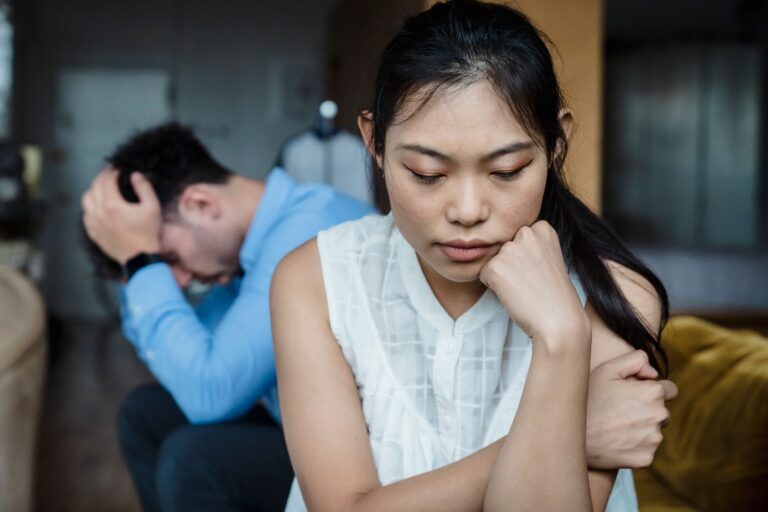
In the midst of what seemed like a typical marriage, a woman in her late twenties found herself grappling with the unexpected emotional distance of her husband. Their story, marked by the joy of new parenthood, took a surprising turn that had her questioning the very foundation of their relationship.

At just 27 years old, she had committed nearly eight years to her husband, a man she once believed would be her life partner through thick and thin. Their bond, however, was beginning to fray, particularly after the birth of their son seven months prior. The once-invincible connection between the couple started to show cracks as her husband, 30, grew increasingly distant.
It all started slowly. Days turned into weeks, and weeks into months, as her husband began to withdraw. What had once been shared parenting responsibilities morphed into her handling nearly everything alone. He became consumed with new hobbies—frequent gym sessions, running, and an ambitious new project that required significant time and investment. A partnership with another woman on this project only fueled her concerns, especially given that they were scheduled to share hotel rooms during their work trips.
During a particularly challenging family vacation, the husband’s disdain became painfully clear. Sleep-deprived and stressed, he openly expressed his resentment for parenthood, even saying he didn’t enjoy being a father anymore. His comments wounded her deeply, leaving her to navigate a minefield of emotions while trying to care for their son. “All he does is make noise,” he had said, punctuating the trip with his negativity and ineffective parenting.
Desperate for answers, she confronted him about the emotional and physical distance that had become the status quo. In a moment of raw honesty, he admitted he regretted becoming a father. The weight of his words crushed her; she feared the life she envisioned for their family was slipping away. After returning home, she confided in her parents about the turmoil, seeking clarity, support, and perhaps a way out of the isolation she felt.
They suggested that she take some time apart, and after a week away, she returned with a new perspective. She felt like a married single mom, exhausted from managing not only their child but also her husband’s emotional needs. Armed with a list of conditions she believed were necessary for their marriage to thrive, she confronted him. If they were going to make this work, he needed to step up—become engaged not just as a father but as a partner.
He reluctantly agreed, but as soon as they settled back into their home life, the demands of intimacy began to loom large. It was as if he felt entitled to physical closeness, and she struggled to express her discomfort. Guilt began to creep in as he made remarks that insinuated she was repulsed by him for not wanting intimacy. “Sorry I’m not attractive enough for you,” he would say, twisting the dynamic of their relationship with emotional manipulation.
One night, after a barrage of pressure, she succumbed to his advances, feeling used and gross afterwards. This moment marked a turning point; instead of fostering closeness, it highlighted the dysfunction infiltrating their marriage. After a whirlwind of conflicting emotions, she chose to take a few days for herself, driving away on a short trip with her son.
His reaction to her departure was immediate—gricier comments about her “leaving him again” and hints of financial distress over a canceled family trip echoed through their conversations. She felt the weight of her boundaries pressing down on her, amplifying her guilt. Had she done the right thing by insisting he book separate hotel rooms? Was she being too harsh by demanding he take on more responsibilities at home?
The conflict left her adrift, struggling to find clarity amid the fog of emotional strife. Her parents voiced concerns about manipulation, but she couldn’t shake the feeling that their once happy family dynamic was hanging by a thread. As she drove with her son, she pondered whether she should give her husband time to improve or take decisive action to ensure her well-being and that of their child.
Ultimately, the emotional exhaustion weighed heavily on her. The once clear lines of right and wrong began to blur, leaving her trapped in a cycle of guilt and uncertainty about the future of their family. As she navigated her feelings, one thing remained certain—she had to prioritize her son and herself in whatever decision she made next.
More from Cultivated Comfort:
- 7 Vintage Home Items From the ’60s That Are Collectors’ Dream Finds
- 7 Vintage Home Goods That Became Collectors’ Gold
- 7 Fast-Food Chains That Changed for the Worse
- 7 Frozen Dinners That Were Better Back in the Day

As a mom of three busy boys, I know how chaotic life can get — but I’ve learned that it’s possible to create a beautiful, cozy home even with kids running around. That’s why I started Cultivated Comfort — to share practical tips, simple systems, and a little encouragement for parents like me who want to make their home feel warm, inviting, and effortlessly stylish. Whether it’s managing toy chaos, streamlining everyday routines, or finding little moments of calm, I’m here to help you simplify your space and create a sense of comfort.
But home is just part of the story. I’m also passionate about seeing the world and creating beautiful meals to share with the people I love. Through Cultivated Comfort, I share my journey of balancing motherhood with building a home that feels rich and peaceful — and finding joy in exploring new places and flavors along the way.