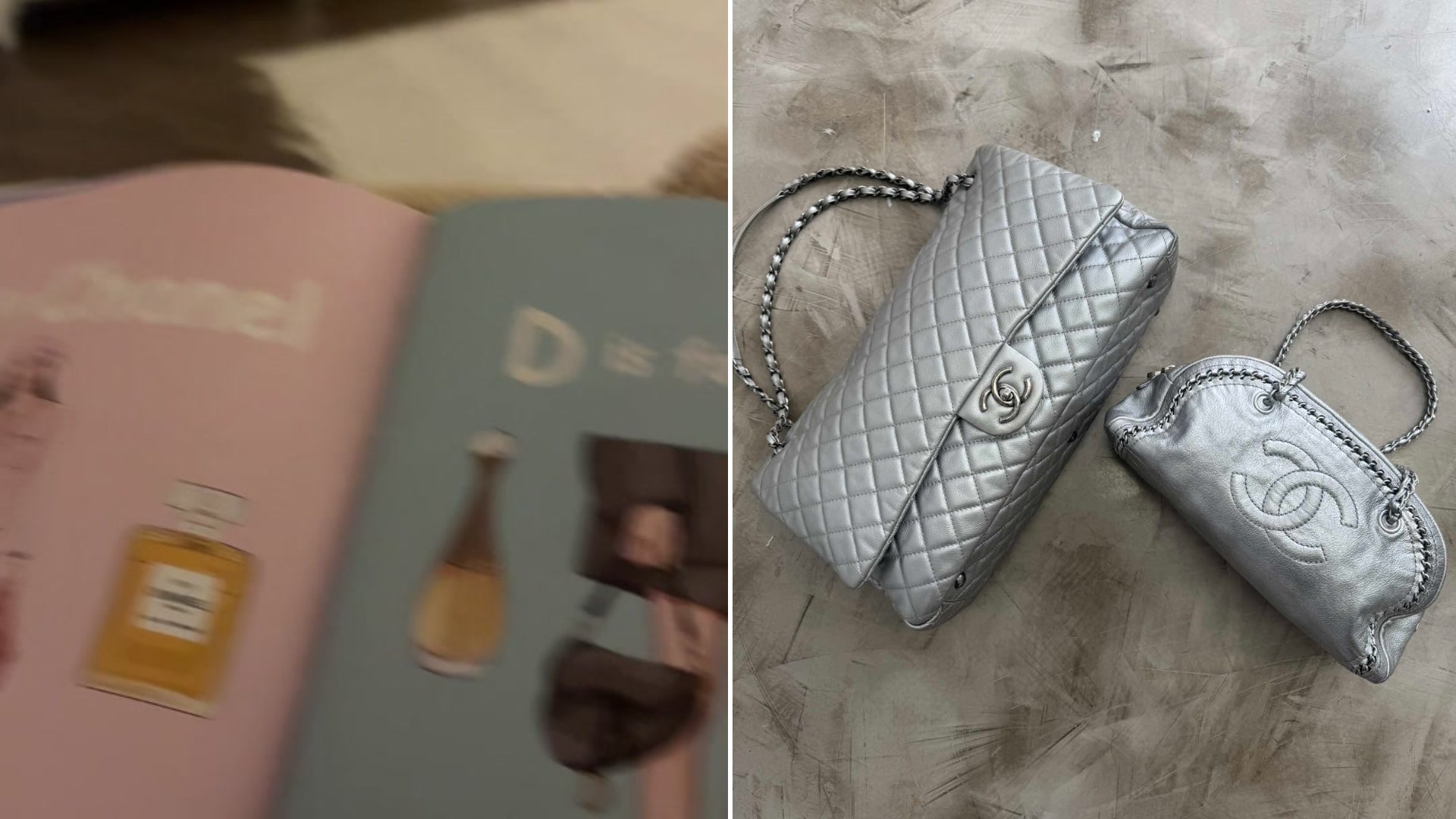
Casey Jean was filming an ordinary moment — reading with her daughter — when the book itself became the story. In the video, Jean flips through an alphabet book that swaps traditional entries like “A is for Apple” for a set built around luxury fashion houses, including the page that reads “G is for Gucci.” The clip was lighthearted in tone. The response online was not.
Jean, who posts as @caseyxjean, showed several pages from the board book in the video, each pairing a letter with a fashion brand rather than the everyday objects typically found in early-learning alphabet books. She said she uses the book with her daughter as part of their regular reading routine, alongside more traditional books, treating it as a novelty item and a bit of fun rather than a values curriculum.
That is not how a portion of her audience read it. Comments accused Jean of instilling materialistic values in a young child at an age when, critics argued, kids should be learning about fruit, animals and everyday objects — not designer labels. Some framed it as a symptom of a broader online culture that normalizes brand obsession and luxury consumption for children who are years away from understanding what any of it costs or means.
Jean responded to the criticism by explaining her reasoning: the book was a gift, a novelty item, and part of a rotation of reading material rather than the sole way her daughter is learning her letters. She pushed back on the idea that showing a toddler a page with a Gucci logo on it amounts to raising a materialistic child, arguing that a themed alphabet book is closer to a playful collector’s item — the kind of thing that exists for adults who find fashion branding amusing — than a genuine parenting philosophy about consumerism and self-worth.
It is worth noting what the criticism can and cannot actually establish. Books like the one Jean showed are commercially produced and sold specifically as novelty gifts for fashion-minded parents; they are not underground or unusual products she custom-made. Critics extrapolated from a single book to conclusions about the child’s long-term values and development — claims that go well beyond what a video of a parent reading one book with her daughter can support. There is no indication in what Jean has shared that this book replaces standard early-literacy materials in her home, and she has described it as one book among several she reads with her daughter.
What child development experts say about novelty and branded books
The bigger conversation Jean’s video accidentally opened up is one that early-childhood educators actually do think about: what role, if any, does brand exposure and novelty content play in how young kids form values around money and possessions? A few things child development specialists generally point to:
- Toddlers learn letters through repetition and association, not brand meaning. A one- or two-year-old engaging with an alphabet book is primarily absorbing letter shapes and sounds, not the cultural cachet of a fashion house — that kind of brand awareness typically develops much later, if at all, from a single book.
- Values are shaped cumulatively, not by isolated media. Child psychologists generally agree that a child’s relationship to materialism is shaped over years by modeled behavior — how parents talk about money, generosity and possessions — far more than by any single book, show or toy.
- Novelty items are common in early literacy collections. Alphabet books built around pop culture, sports teams, video games or brands are a well-established genre aimed at gift-giving and humor, and most parenting educators do not treat owning one as a meaningful signal about a family’s values.
- Context matters more than content. A parent’s explanation of what a page means (“that’s a fancy purse some people buy”) shapes how a child processes it far more than the page itself.
Jean has continued sharing content about her daughter since the video circulated, and the alphabet book controversy appears to have settled into the familiar internet pattern: a viral clip, a wave of criticism, a clarifying response, and then the news cycle moving on. What lingers is a more interesting question than the one the comments section asked — not whether one novelty book can shape a child’s character, but how much of modern parenting now unfolds under public judgment before anyone involved has the chance to explain their own reasoning.

As a mom of three busy boys, I know how chaotic life can get — but I’ve learned that it’s possible to create a beautiful, cozy home even with kids running around. That’s why I started Cultivated Comfort — to share practical tips, simple systems, and a little encouragement for parents like me who want to make their home feel warm, inviting, and effortlessly stylish. Whether it’s managing toy chaos, streamlining everyday routines, or finding little moments of calm, I’m here to help you simplify your space and create a sense of comfort.
But home is just part of the story. I’m also passionate about seeing the world and creating beautiful meals to share with the people I love. Through Cultivated Comfort, I share my journey of balancing motherhood with building a home that feels rich and peaceful — and finding joy in exploring new places and flavors along the way.