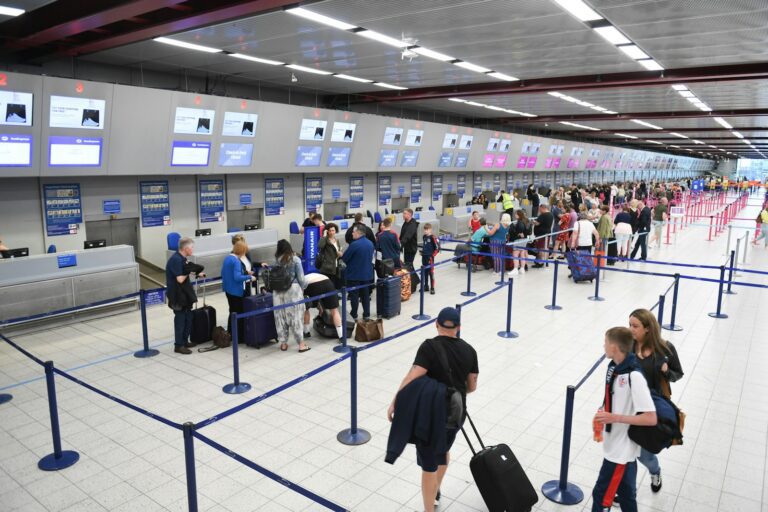
You board a flight expecting to keep your little ones close, but midair you discover the airline has moved seats and split your family apart. The mother at the center of this story felt frantic and exposed when Delta reassigned seating that left her separated from two toddlers, forcing her to scramble for solutions while the plane climbed.
If an airline separates a paying parent from young children, passengers can ask crew for immediate reassignment, invoke family-seating policies, and document the incident to pursue refunds or compensation later. This post explains what happened, how Delta’s seating rules and operational changes play a role, and practical tips parents can use to avoid or respond to a similar situation.
Delta’s Family Seating Policies and the Controversy
Delta’s policies affect where children sit, whether a family paid for seats, and what counts as a lap child. Passengers say enforcement and seat assignments sometimes leave parents separated from toddlers, creating stressful in-flight scenes.
What Happened on the Delta Flight
A mother reported arriving to find her two toddlers seated apart from her midair after a seat change, saying she had not been warned the children would be moved. She described scrambling to find volunteers and asking crew for help while feeling anxious about supervision and safety during the flight.
Passengers and news accounts show similar incidents where families were reassigned or told to pay for different fare classes to stay together. One report noted a gate agent initially refused to rearrange seats and that the family eventually found a solution only after other travelers volunteered. Public complaints emphasize the emotional and logistical strain when young children are separated from caregivers.
How Delta Airlines Handles Family Seating
Delta’s public guidance directs families to contact reservations or avoid Basic Economy if they need guaranteed seat proximity. Basic Economy fares typically carry restrictions that reduce the airline’s flexibility to reassign seats, while Main Cabin and higher fare classes offer more options to sit together.
Delta states it will work with customers on a case-by-case basis and encourages advance communication with reservations to secure adjacent seats. Complaints often involve third-party bookings, where families say they received no warning about seating limits. For specific policy language and family-travel resources, Delta’s official children and infant travel page outlines how to request assistance and what to expect when booking. (https://www.delta.com/us/en/children-infant-travel/overview)
Understanding Delta’s Lap Child Policy
Delta allows lap infants under 2 years of age to travel without a separate paid seat, but airlines require that caregivers manage safety and restraint responsibility during the flight. If a family wants a separate seat for a toddler, they must purchase it; lap-child status does not guarantee proximity to an adult beyond standard seat assignment rules.
The Families Flying Together Act from 2016 aimed to require airlines to seat children under 13 with a parent, but enforcement rules have not been finalized by the Department of Transportation. That gap means Delta’s operational decisions, fare class rules, and booking channel (direct vs. third-party) largely determine whether a child ends up seated beside a caregiver.
Traveling With Young Kids: Lessons and Tips
Parents should confirm seating options, bring simple containment and comfort items, and know how airlines treat lap-held infants to reduce midflight stress. Small, specific steps before and during boarding make managing two toddlers or a lap-held infant much easier.
Planning Ahead for Family Seating
Book seats as early as possible and pay for Main or assigned seating when traveling with toddlers if staying together matters. Basic fares often assign seats only at check-in, which can separate a parent from children; upgrading minimizes that risk.
If seats become separated, ask gate agents immediately — they can sometimes swap passengers or reassign seats before boarding. If changes aren’t possible, request crew assistance once on board; flight attendants can sometimes move unoccupied/empty-seats or help find a nearby passenger willing to switch.
Bring a lightweight travel vest or carrier for walking the aisle and a compact booster or CARES harness for safety if using a purchased seat. Carry a clear list of priorities (sit with child, no window seat for toddler who will climb) to negotiate swiftly at the gate. Check your airline’s family travel page for specifics on seating and child policies, such as Delta’s guidance for children and infants, to avoid surprises.
Advice for Parents Traveling With Lap-Held Infants
Confirm the airline’s lap infant rules and whether you need to add a lap infant to the reservation. Age cutoffs, required documentation, and whether an infant counts toward a seat assignment vary; verify on the carrier’s children & infant information page before the trip.
Use an FAA-approved infant restraint (like a CARES harness) when possible; it increases safety and can make a fussy infant easier to settle in a single adult’s lap. Pack easy-access snacks, a pacifier, and a small toy in a seat-pocket organizer so the parent doesn’t need to stand and rummage during takeoff.
If gate seating separates the parent and a lap-held infant from other caregivers, ask gate staff to check for nearby open seats or inquire about standby upgrades. When a parent must fly alone with two toddlers where one is lap-held, request boarding assistance and explain the situation to crew members early; they can often help with luggage stowage and brief safety tips for holding an infant during turbulence.
More from Cultivated Comfort:
- 7 Vintage Home Items From the ’60s That Are Collectors’ Dream Finds
- 7 Vintage Home Goods That Became Collectors’ Gold
- 7 Fast-Food Chains That Changed for the Worse
- 7 Frozen Dinners That Were Better Back in the Day

As a mom of three busy boys, I know how chaotic life can get — but I’ve learned that it’s possible to create a beautiful, cozy home even with kids running around. That’s why I started Cultivated Comfort — to share practical tips, simple systems, and a little encouragement for parents like me who want to make their home feel warm, inviting, and effortlessly stylish. Whether it’s managing toy chaos, streamlining everyday routines, or finding little moments of calm, I’m here to help you simplify your space and create a sense of comfort.
But home is just part of the story. I’m also passionate about seeing the world and creating beautiful meals to share with the people I love. Through Cultivated Comfort, I share my journey of balancing motherhood with building a home that feels rich and peaceful — and finding joy in exploring new places and flavors along the way.