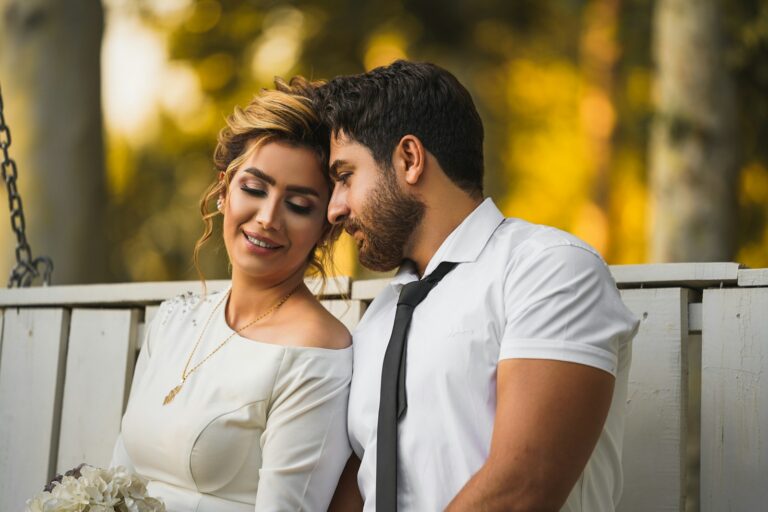
The honeymoon phase felt perfect. He texted constantly, planned thoughtful dates, and made her feel like the center of his universe. Then around the six-week mark, everything changed without warning or explanation.

When a boyfriend suddenly becomes distant after being consistently affectionate, it typically signals he’s either feeling overwhelmed by the pace of the relationship, dealing with external stress, or realizing he wants different levels of emotional closeness. Research shows that people tend to avoid social contact when experiencing higher stress levels, and men often become more focused on work or other priorities during certain life phases.
The shift from sweet to distant leaves many women wondering if they did something wrong or if they’re now chasing someone who’s already mentally checked out. Signs of a distant partner manifest through reduced communication, less physical intimacy, and emotional withdrawal. Understanding why this sudden change happens and recognizing the difference between temporary distance and genuine disinterest can help determine whether the relationship is worth fighting for or if it’s time to walk away.
Why He Turned Distant Overnight
When a man shifts from affectionate to cold in what feels like an instant, it often points to internal struggles he wasn’t ready to share. The transformation can stem from fear-based patterns like avoidant attachment, overwhelming life pressures, or realizations about commitment that trigger an emotional retreat.
Sudden Change After a Sweet Beginning
The first six weeks felt like a fairytale. He texted constantly, planned dates, and seemed genuinely invested in building something real. Then, without warning, the warmth evaporated.
This abrupt shift often catches women completely off guard because the initial intensity suggested he was all in. What many don’t realize is that some men pull away after experiencing deep emotional closeness, especially those with avoidant attachment patterns. The honeymoon phase can feel safe because it’s new and exciting, but once real intimacy develops, anxiety kicks in.
Men with an avoidant attachment style often crave connection but become uncomfortable when relationships demand vulnerability. The six-week mark frequently coincides with when partners start discussing future plans or when emotional expectations increase. For someone wired to equate closeness with losing independence, that timeline can trigger an instinctive need to create distance.
Common Reasons for Sudden Emotional Distance
Several factors can explain his overnight transformation. Stress from work or personal obligations sometimes causes men to isolate rather than lean on their partners for support. When overwhelmed, they funnel all their energy toward solving problems alone, cutting out activities that feel emotionally demanding.
Fear of commitment also plays a significant role. He might have realized the relationship was progressing faster than he anticipated, sparking panic about losing his freedom or identity. This fear doesn’t necessarily mean he never cared—it means the reality of a serious relationship became too real too fast.
Other possibilities include:
- Unresolved past relationship trauma that surfaces when things get serious
- Pressure from external sources like family expectations or career demands
- Recognition of incompatibility he wasn’t ready to voice directly
- Personal insecurities about whether he’s ready for a relationship
An avoidant attachment style amplifies these triggers. Research shows that people with this attachment pattern often struggle with consistent emotional availability, oscillating between engagement and withdrawal.
Warning Signs You Might Have Missed
Looking back, there were likely subtle indicators that his emotional availability had limits. He may have avoided deep conversations about his past relationships or deflected questions about his feelings. Small comments about “not wanting to rush things” or “needing space” might have seemed casual at the time but signaled underlying hesitation.
His social media behavior or friend circle dynamics could have offered clues too. Men who struggle with commitment often maintain emotional distance across multiple areas of their lives, not just romantic relationships. If he rarely posted about the relationship or seemed uncomfortable with public displays of connection, that pattern might have extended to private intimacy as well.
The intensity of those first six weeks itself can be a warning sign. When someone becomes distant suddenly, it sometimes follows a period of love-bombing or accelerated intimacy that wasn’t sustainable. Genuine connection typically builds gradually rather than exploding into constant contact and grand gestures that disappear just as quickly.
What to Do When You Feel Like You’re Chasing Someone Who Stopped Caring
When someone goes from affectionate to distant without explanation, it triggers a specific pattern where one person pursues while the other retreats. People with avoidant attachment often create distance when intimacy feels threatening, leaving their partners confused and desperate for answers.
How to Respond to Unexplained Withdrawal
She notices he’s stopped responding to texts with the same enthusiasm. His replies arrive hours later, stripped of the warmth they once carried. When she asks what’s wrong, he insists everything’s fine, yet his actions tell a different story.
Many people respond to this withdrawal by increasing their efforts. They send more texts, plan more dates, and try harder to recapture what existed six weeks ago. This reaction stems from intermittent reinforcement, where occasional moments of warmth keep someone hooked like a gambler chasing wins.
The instinct to chase intensifies when someone displays an avoidant attachment style. These individuals learned early that emotional closeness feels dangerous, so they create distance when relationships deepen. She might interpret his withdrawal as something she did wrong, when it actually reflects his discomfort with vulnerability.
Common reactions to unexplained distance:
- Sending multiple follow-up messages
- Overanalyzing every interaction
- Canceling personal plans to stay available
- Making excuses for lukewarm behavior
The Push-Pull Cycle and Its Effects
The pattern becomes predictable once someone recognizes it. He pulls away, she pursues, he retreats further, and occasionally he throws her a bone of attention that reignites her hope. This cycle creates an addictive dynamic where she feels relief during his warm phases and anxiety during his cold ones.
People with a fear of commitment often engage in this push-pull dance unconsciously. When things feel too intimate, they create space. When their partner starts to pull back, they suddenly re-engage. The person on the receiving end experiences emotional whiplash, never knowing which version of their partner will show up.
Brain imaging studies show that social rejection activates the same pain centers as physical injury. She’s not overreacting when his distance feels genuinely painful. Her nervous system registers the withdrawal as a threat to her emotional survival.
The push-pull cycle damages self-esteem over time. She starts questioning her worth, wondering if she’s too needy or not interesting enough. Her mood swings between euphoria when he shows affection and despair when he goes cold.
Setting Boundaries and Protecting Your Heart
She reaches a crossroads where continuing to chase means sacrificing her dignity. Putting someone else’s desires above her own leaves her feeling drained and disconnected from herself.
Setting boundaries doesn’t mean playing games or using manipulation tactics. It means deciding what treatment she’ll accept and what she won’t. When someone consistently shows indifference, maintaining self-respect requires pulling back her energy.
The avoidant attachment style thrives when someone else does all the pursuing. He doesn’t have to invest effort because she’s always there, always available, always trying. Her overwhelming attention removes any challenge or mystery from the relationship.
She might fear that stepping back will make him forget her completely. This fear keeps many people trapped in one-sided dynamics. However, respecting her own worth actually makes her more attractive than desperate pursuit ever could. If he doesn’t respond to her stepping back, she learns a painful but necessary truth about his level of investment.
More from Cultivated Comfort:
- 7 Vintage Home Items From the ’60s That Are Collectors’ Dream Finds
- 7 Vintage Home Goods That Became Collectors’ Gold
- 7 Fast-Food Chains That Changed for the Worse
- 7 Frozen Dinners That Were Better Back in the Day

As a mom of three busy boys, I know how chaotic life can get — but I’ve learned that it’s possible to create a beautiful, cozy home even with kids running around. That’s why I started Cultivated Comfort — to share practical tips, simple systems, and a little encouragement for parents like me who want to make their home feel warm, inviting, and effortlessly stylish. Whether it’s managing toy chaos, streamlining everyday routines, or finding little moments of calm, I’m here to help you simplify your space and create a sense of comfort.
But home is just part of the story. I’m also passionate about seeing the world and creating beautiful meals to share with the people I love. Through Cultivated Comfort, I share my journey of balancing motherhood with building a home that feels rich and peaceful — and finding joy in exploring new places and flavors along the way.