Family dinners are supposed to be warm gatherings filled with laughter and connection, but for one man, they’ve become a minefield of anxiety. His father has developed a habit of making jokes about his wife during holiday meals, and the tension has reached a breaking point. What started as occasional teasing has escalated into a pattern that’s making everyone uncomfortable.
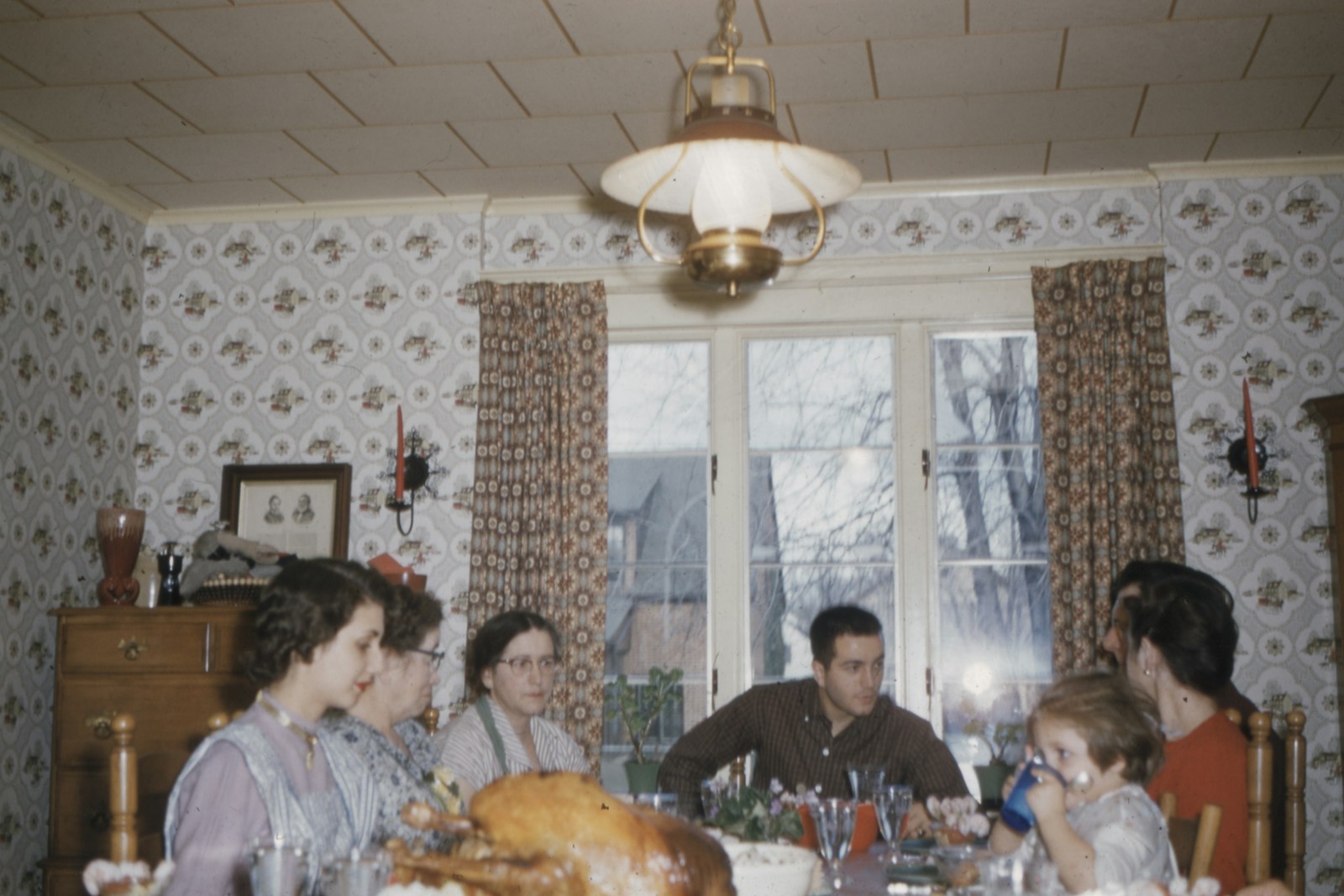
When a parent repeatedly makes jokes about their child’s spouse in front of the family, it creates a situation where the adult child feels caught between defending their partner and maintaining peace with their parent. The man now dreads upcoming holidays, worried that one more comment will lead to a confrontation that shatters the family dynamic. His wife has started to pull back from family events, and he’s noticed other relatives exchanging awkward glances when his father launches into another routine.
The situation raises questions about why fathers keep making jokes and whether they understand the impact of their humor. This family’s struggle illustrates how jokes can hurt more than they heal when they cross the line from playful banter to something that feels like disrespect.
Why Dad Jokes About My Wife Are Causing Family Stress
What starts as lighthearted ribbing can quickly become a source of tension when one family member becomes the repeated target. The pattern of jokes directed at a spouse creates discomfort that builds over time, especially when holiday gatherings amplify the issue.
When Family Jokes Cross The Line
Family jokes that cross boundaries often disguise criticism as humor. When a father-in-law consistently makes his daughter-in-law or son-in-law the punchline, it shifts from playful banter to something more pointed. The jokes might target her cooking, her career choices, or her family background.
The problem intensifies when these comments happen publicly. A man watching his father mock his wife in front of siblings, cousins, and extended family faces an impossible choice. He can either laugh along and betray his spouse, or defend her and create an awkward confrontation that ruins the gathering.
Common targets of these jokes include:
- Appearance or weight
- Intelligence or education
- Household skills
- Career achievements
- Family background
The “it’s just a joke” defense makes the situation worse. When someone points out the hurt, dismissing their feelings adds a second layer of harm.
How Repeated Jokes Impact Relationships
Teasing that happens repeatedly erodes trust between family members. A wife who endures constant jokes from her father-in-law starts dreading family events. She may feel her husband isn’t protecting her, which damages the marriage itself.
The husband gets caught in the middle. He loves his father but resents watching his wife become uncomfortable. His silence might feel like taking sides against her. His intervention might spark accusations that she’s “too sensitive” or “can’t take a joke.”
This pattern affects how the couple prepares for family gatherings today. They might argue in the car on the way over. She might ask to skip events entirely. He might drink more than usual to cope with the stress of managing both relationships.
Holiday Dinners and Escalating Tension
Holiday meals concentrate all these issues into a few high-pressure hours. Everyone’s sitting around one table with nowhere to escape. The dad has an audience for his material. The wife has to smile through multiple jokes while passing the potatoes.
Each holiday creates mounting pressure because everyone remembers what happened last time. The son worries his father will make another comment about his wife’s weight. She braces herself for a joke about her job. Other family members sense the tension and either ignore it or nervously laugh along.
The question isn’t whether something will happen, but when. One more comment could trigger the explosion everyone fears.
Understanding the Types and Intentions of Dad Jokes
Dad jokes come in distinct varieties, each serving different social purposes within family dynamics. The linguistic structure of these jokes reveals patterns that range from harmless wordplay to potentially uncomfortable commentary about family members.
Classic One-Liner Dad Jokes Versus Corny Puns
Traditional dad jokes typically fall into predictable linguistic categories. Research analyzing hundreds of dad jokes from social media identified four main types of wordplay: homonymy (same sound and spelling, different meanings), homophony (same sound, different spelling), homography (same spelling, different sound), and paronymy (slight differences in sound).
Classic examples include “I told a chemistry joke, but there was no reaction” or “To start a zoo you need at least two pandas, a grizzly and three polars—it’s the bear minimum.” These rely on double meanings that create groans rather than genuine laughter.
The structure makes them accessible and safe since no one becomes the target. One-liner dad jokes about apples might play on “apple of my eye” or “bad apple” idioms. These differ significantly from jokes that single out specific family members, which cross into more personal territory.
Why Dads Love Telling Jokes About Their Kids’ Spouses
When dads shift from generic puns to jokes involving their children’s partners, the dynamic changes entirely. The stereotypical scenario of kids rolling their eyes at corny puns transforms into something more complicated when the joke targets someone newer to the family.
Some fathers use humor about sons-in-law or daughters-in-law to establish dominance or test boundaries. Others genuinely believe they’re creating bonding moments through teasing. The intention matters less than the reception—if the spouse feels uncomfortable and the extended family witnesses repeated jokes, the gatherings become tense rather than playful.
Unlike bad dad jokes for kids that remain silly and harmless, jokes about spouses often touch on sensitive topics like competence, career choices, or lifestyle differences. The power imbalance makes these situations particularly awkward since the spouse may feel unable to push back without creating family conflict.
New Dad Jokes for 2026 and Their Reception
Contemporary dad jokes in 2026 incorporate references to current technology, social media trends, and generational differences. While traditional corny dad jokes remain popular, newer versions reference cryptocurrency, AI assistants, and streaming services. The reception varies dramatically based on delivery and context.
Social media platforms show that audiences actively participate with their own puns in comment sections, suggesting genuine engagement despite the groans. However, this enthusiasm exists in controlled digital spaces where participation is optional.
At holiday dinners, trapped family members can’t simply scroll past uncomfortable jokes. When a dad repeatedly makes new jokes targeting the same person across multiple gatherings, the pattern becomes harder to dismiss as innocent humor. The audience’s forced laughter or uncomfortable silence signals that the joke-telling has shifted from bonding ritual to something nobody enjoys anymore.
More from Cultivated Comfort:
- 7 Vintage Home Items From the ’60s That Are Collectors’ Dream Finds
- 7 Vintage Home Goods That Became Collectors’ Gold
- 7 Fast-Food Chains That Changed for the Worse
- 7 Frozen Dinners That Were Better Back in the Day

As a mom of three busy boys, I know how chaotic life can get — but I’ve learned that it’s possible to create a beautiful, cozy home even with kids running around. That’s why I started Cultivated Comfort — to share practical tips, simple systems, and a little encouragement for parents like me who want to make their home feel warm, inviting, and effortlessly stylish. Whether it’s managing toy chaos, streamlining everyday routines, or finding little moments of calm, I’m here to help you simplify your space and create a sense of comfort.
But home is just part of the story. I’m also passionate about seeing the world and creating beautiful meals to share with the people I love. Through Cultivated Comfort, I share my journey of balancing motherhood with building a home that feels rich and peaceful — and finding joy in exploring new places and flavors along the way.