Navigating family dynamics can feel like walking a tightrope, especially when it comes to traditions and expectations surrounding food. If you’ve found yourself in a situation where your mother-in-law (MIL) has undermined your cooking skills in front of your children, it’s understandable to feel frustrated. Her sending containers labeled “Grandma’s version (the right way)” feels like a slap in the face, suggesting that she believes your cooking is not up to par.
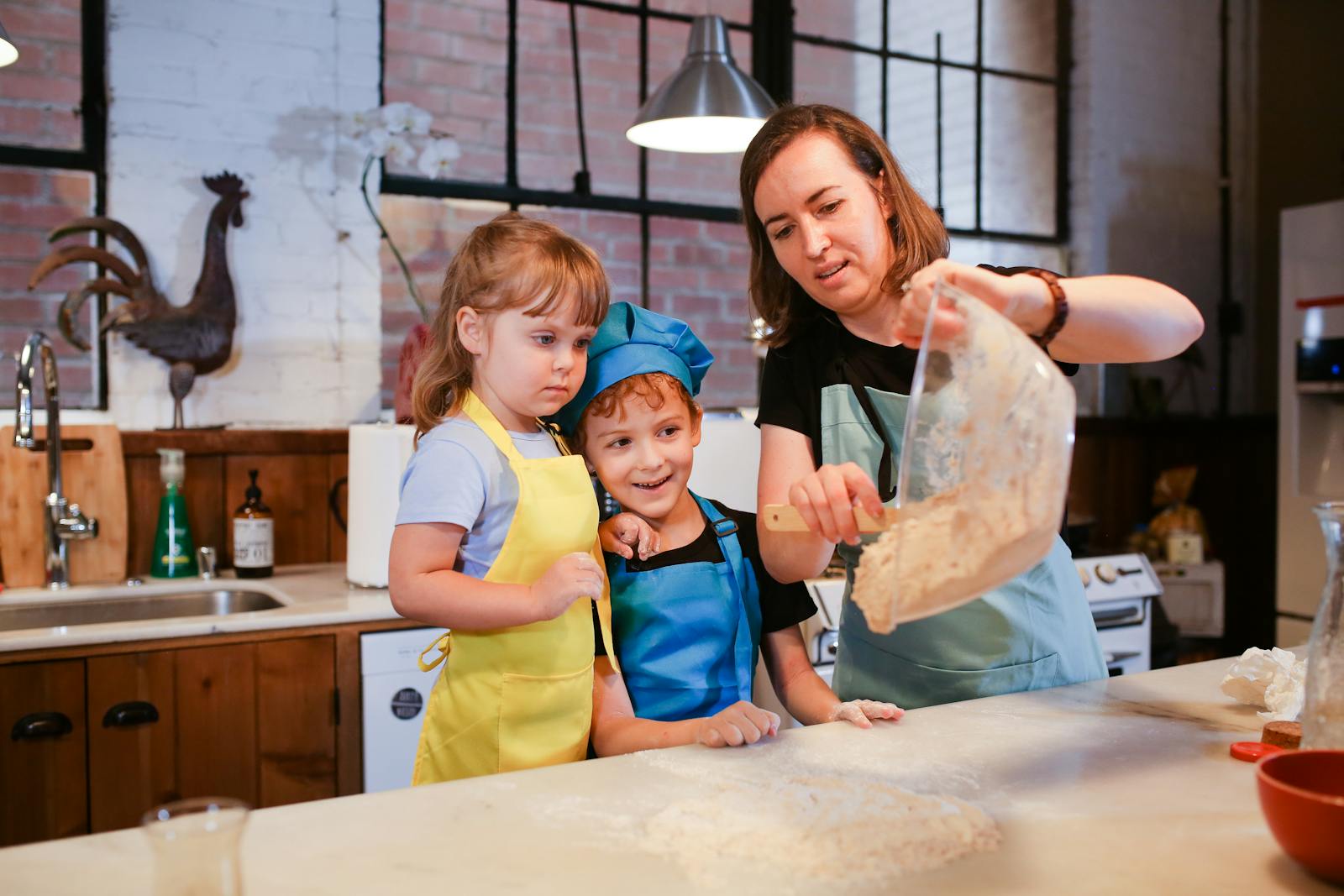
You’re not wrong to feel frustrated or even hurt by this. Food is often a deeply personal expression of love, culture, and family heritage. When someone else steps in, especially a family member, it can feel dismissive of your efforts. This issue matters because it not only involves boundaries and respect but also clear communication about your role as a parent and a partner.
Start With a Calm, Direct Conversation
Begin by addressing the issue directly with your MIL. Express your feelings about her comments and the containers she sends. A calm conversation can help clear the air.
When you approach her, use “I” statements to convey how her actions affect you: “I feel disappointed when my cooking is compared to yours.” This works because it fosters understanding rather than defensiveness. You have the right to express your feelings and set the tone for a more respectful relationship moving forward.
Set Clear Boundaries and Expectations
It’s essential to establish boundaries regarding what’s acceptable in your home. Let your MIL know that while you appreciate her cooking, you want to foster your own family traditions.
By setting these boundaries, you create a space where everyone understands their roles and respects each other’s contributions. This not only empowers you but also models healthy communication for your children. Remember, it’s okay to stand firm in what feels right for your family.
Involve Your Partner Without Blaming Them
Bring your partner into the conversation to ensure you’re both on the same page. Avoid placing blame; instead, frame it as a united front where both of you value your family’s cooking traditions.
This approach allows for a collaborative solution and shows that you’re both committed to maintaining respect and understanding within your family unit. Your partner can be an ally in reinforcing your desires and boundaries, making it easier to address the situation collectively.
Offer Reasonable Alternatives
Instead of outright rejecting her containers, consider suggesting that she shares her recipes with you, allowing you to incorporate them into your cooking. This way, it becomes a collaborative effort rather than a competition.
Offering alternatives shows that you’re open to learning and valuing her experience while still maintaining your autonomy. It reassures you that you can incorporate family traditions without feeling undermined.
Protect Your Home and Privacy Without Escalating Conflict
If the situation continues to escalate or if your MIL persists in undermining your cooking, it may be necessary to protect your home environment. Politely decline her containers and explain that you are focused on establishing your family’s culinary identity.
This helps maintain peace without creating further conflict. You deserve to feel comfortable and respected in your home, and setting these limits can help create a more harmonious atmosphere for everyone involved.
Communicate with Your Children
It’s important to talk to your children about the situation without speaking negatively about their grandmother. Explain that everyone has different ways of cooking and that it’s okay to appreciate both styles.
This empowers your children to understand the value of diversity in traditions while reinforcing your role as their primary caregiver. Encouraging open dialogue will help them appreciate your cooking while respecting their grandmother’s contributions.
Focus on Your Strengths in the Kitchen
Lastly, remember that cooking is about more than just following recipes; it’s about love, creativity, and connection. Embrace your unique cooking style and involve your children in the process.
By focusing on what you love to create, you can build confidence in your culinary skills. This will not only strengthen your bond with your children but also remind you that your worth as a cook is not defined by someone else’s standards.
—
As you navigate this challenging situation, remember that it can improve with open communication and firm boundaries. Your family dynamics can evolve into a more respectful and loving environment.
Ultimately, let this be a moment of growth for you and your family. Embrace your cooking journey and know that you have the power to create the traditions that resonate with your family’s identity. You are not alone in this—many people face similar challenges, and with confidence and clarity, you can find a path that works for you.
More from Cultivated Comfort:
- 7 Vintage Home Items From the ’60s That Are Collectors’ Dream Finds
- 7 Vintage Home Goods That Became Collectors’ Gold
- 7 Fast-Food Chains That Changed for the Worse
- 7 Frozen Dinners That Were Better Back in the Day

As a mom of three busy boys, I know how chaotic life can get — but I’ve learned that it’s possible to create a beautiful, cozy home even with kids running around. That’s why I started Cultivated Comfort — to share practical tips, simple systems, and a little encouragement for parents like me who want to make their home feel warm, inviting, and effortlessly stylish. Whether it’s managing toy chaos, streamlining everyday routines, or finding little moments of calm, I’m here to help you simplify your space and create a sense of comfort.
But home is just part of the story. I’m also passionate about seeing the world and creating beautiful meals to share with the people I love. Through Cultivated Comfort, I share my journey of balancing motherhood with building a home that feels rich and peaceful — and finding joy in exploring new places and flavors along the way.