For a lot of families, grandma’s house is the land of extra snacks, late bedtimes, and “just one more” episode. That’s usually fine—sweet, even—until it turns into something sharper: a not-so-subtle message that Mom’s rules are optional and Mom herself is the problem. And when it’s said right in front of you, it doesn’t feel like a treat anymore. It feels like a power move.
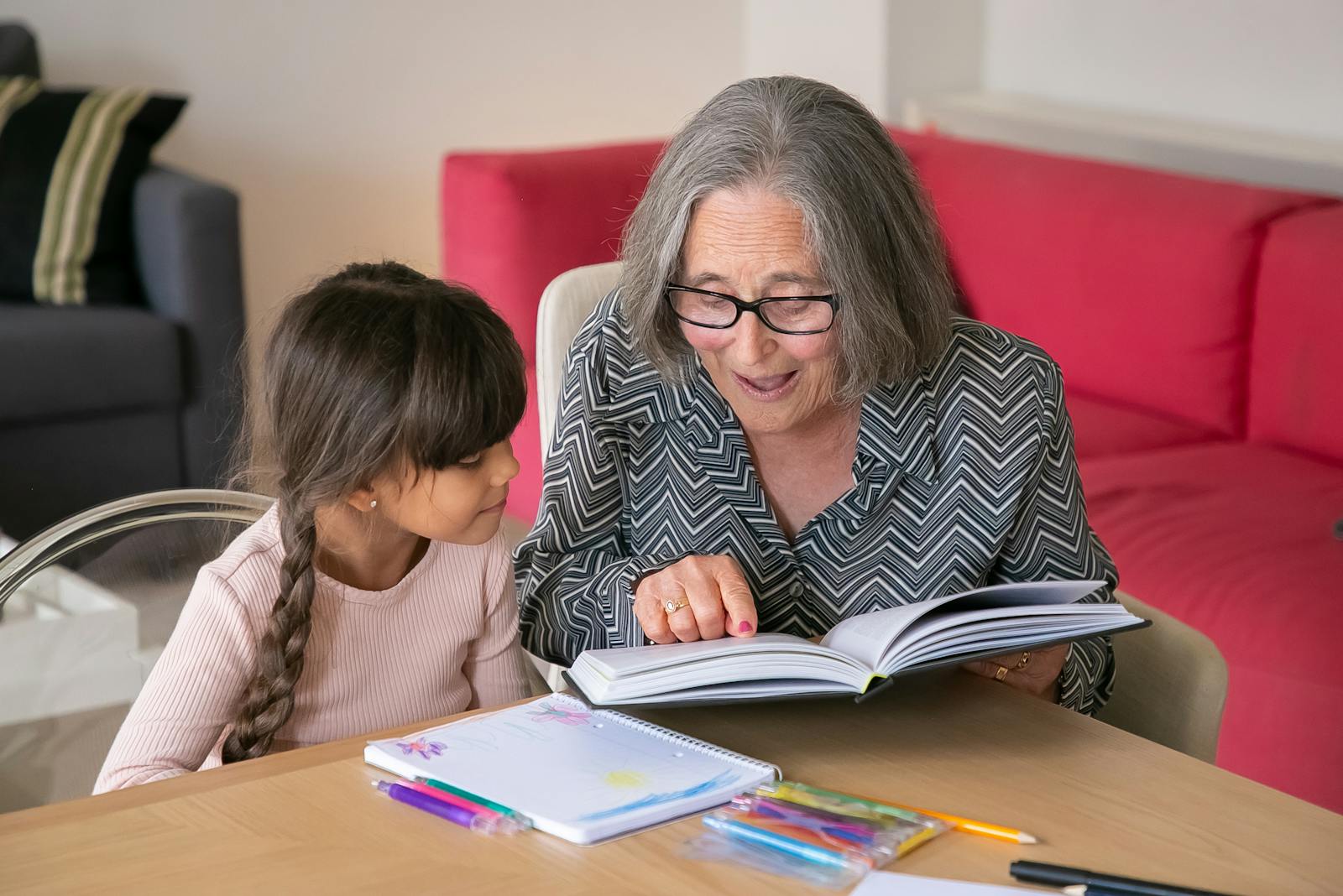
That’s the situation one parent described this week, sparking an all-too-relatable conversation in group chats and comment sections everywhere. Her mother-in-law doesn’t just bend a few rules; she openly tells the kids, “Mom is too strict—Grandma’s house is where you can relax,” while Mom is standing right there. The kids, naturally, have started testing limits at home and treating Grandma’s place like a loophole with a cookie jar.
When “fun grandma” crosses the line
There’s a big difference between “Grandma’s got a different routine” and “Grandma’s recruiting your kids to ignore you.” The first is normal: different homes have different rhythms, and kids can handle that. The second is undermining—because it’s not about bedtime or dessert, it’s about authority and respect.
Families often laugh off the stereotype of the indulgent grandparent, but the tone matters. “Mom is too strict” isn’t a neutral statement; it labels you as unreasonable and positions Grandma as the hero. Even if she thinks she’s being playful, your kids hear a clear takeaway: Mom’s rules are negotiable, and Grandma will back them if they push.
Why kids latch onto this so fast
Kids are basically tiny scientists running social experiments all day. If one adult signals that another adult’s rules don’t count, kids will test that hypothesis immediately. Not because they’re bad—because they’re learning how the world works and where the boundaries truly are.
It also creates a “good cop/bad cop” dynamic that’s irresistible to children. Grandma becomes the safe place where consequences disappear, and Mom becomes the obstacle standing between them and fun. That can lead to whining, bargaining, and meltdowns at home, because why accept “no” from Mom when Grandma has already implied Mom’s “no” is silly?
The hidden cost: it’s not just annoying, it’s confusing
Inconsistent rules aren’t automatically harmful—kids can adapt to different expectations in different settings. But when the inconsistency is framed as “Mom’s rules are wrong,” it can make kids feel caught in the middle. They may start wondering who to trust, or whether they need to manage adults’ feelings to keep the peace.
It can also chip away at your relationship with your mother-in-law in a way that’s hard to name at first. You’re not upset about an extra cookie; you’re upset about being publicly dismissed. After enough little moments like that, even a casual visit can feel like walking into a debate you didn’t agree to have.
What’s actually going on with Grandma?
Sometimes this behavior comes from excitement and nostalgia. Grandparents remember parenting as stressful, and they want to be the “fun” adult now that they don’t have to do the daily grind. There’s also a common grandparent logic that sounds like: “They’re only little once, so rules can wait.”
But the specific phrasing—“Mom is too strict”—often points to something else: a need to feel important, needed, or in charge. It can be a subtle way of competing for your kids’ affection or rewriting family roles so she’s still the decision-maker. And yes, sometimes it’s just plain habit: she’s used to commenting on your choices and hasn’t adjusted to you being the parent in charge.
The moment it happens: what to say without escalating
If she says it in front of you, you don’t need a long speech. A calm, short line can do a lot of work: “Please don’t label my rules as ‘too strict’ in front of the kids.” You can keep your tone friendly while still making it clear you’re not playing along.
If you want something even lighter but still firm, try: “You can be the fun grandma without making me the villain.” It’s direct, and it reframes the issue in a way that’s hard to argue with. The goal is to stop the message in real time, because kids remember what gets said out loud more than what gets discussed later.
The bigger conversation: boundaries, not a courtroom
Outside the moment, it helps to talk when the kids aren’t around. Pick a neutral time—not during a handoff or right after a conflict—so it doesn’t feel like an ambush. Keep it specific: name the exact phrase you heard and the effect it’s having (“They’re pushing back at home and saying you told them my rules don’t matter”).
Then offer an alternative that still lets her be Grandma. Something like: “At your house you can have special treats, but I need you to support our basic rules and not criticize them to the kids.” If there are non-negotiables—safety, screens, bedtime, allergies—say those plainly. Fewer rules, clearly stated, are more likely to be respected.
What if she argues, jokes, or plays the victim?
A common dodge is, “I was just kidding,” or “You’re too sensitive.” That’s when you repeat the boundary without defending it: “I hear you, but I’m not okay with it.” You don’t have to convince her it’s serious; you just have to be consistent that it stops.
If she pivots to hurt feelings—“Fine, I guess I can’t do anything right”—try a calm reset: “I’m not saying you’re a bad grandma. I’m saying this one thing can’t continue.” It keeps the conversation on the behavior, not her personality. And if she keeps trying to turn it into a referendum on your parenting, bring it back: “This isn’t up for debate. I’m their parent.”
How your partner can help (and why it matters)
This tends to go better when the grandparent’s own adult child takes the lead. If your spouse can say, “Mom, don’t undermine our rules,” it lands differently than when you say it—unfair, but true in a lot of families. It also reduces the risk that you’ll be cast as the “strict outsider” who’s ruining everyone’s fun.
Ideally, you and your partner agree on two or three key expectations and present them as a united front. Not “my rules,” not “her rules”—just “our family rules.” Kids do best when they see the adults coordinating rather than competing, and grandparents are more likely to adjust when they realize both parents are aligned.
If nothing changes: adjusting access without the drama
Sometimes a boundary without a consequence is just a wish. If she continues to undermine you after clear conversations, you may need to limit unsupervised time or shorten visits for a while. It doesn’t have to be framed as punishment; it can be framed as structure: “We’ll do visits when we’re there, since the kids are getting mixed messages.”
That can feel awkward, but it’s also a very normal parenting move. Your job isn’t to keep every adult comfortable; it’s to keep your kids stable. And if Grandma wants more freedom, she can earn it by showing she can support you without turning your house rules into a punchline.
The good news: this is fixable, and it doesn’t require a family feud
Most grandparents don’t actually want to damage their relationship with their grandchildren’s parents. Many simply don’t realize how much impact a throwaway line can have. When you address it clearly and early, there’s a real chance it becomes a “Oh wow, I didn’t think of it that way” moment.
And if you’re sitting there thinking, “Am I overreacting?”—you’re not. Wanting your kids to respect you isn’t strict. It’s the bare minimum for a peaceful household, and honestly, it’s also a gift to Grandma: kids do better with adults who are on the same team, even when the snacks are better at her place.
More from Cultivated Comfort:
- 7 Vintage Home Items From the ’60s That Are Collectors’ Dream Finds
- 7 Vintage Home Goods That Became Collectors’ Gold
- 7 Fast-Food Chains That Changed for the Worse
- 7 Frozen Dinners That Were Better Back in the Day

As a mom of three busy boys, I know how chaotic life can get — but I’ve learned that it’s possible to create a beautiful, cozy home even with kids running around. That’s why I started Cultivated Comfort — to share practical tips, simple systems, and a little encouragement for parents like me who want to make their home feel warm, inviting, and effortlessly stylish. Whether it’s managing toy chaos, streamlining everyday routines, or finding little moments of calm, I’m here to help you simplify your space and create a sense of comfort.
But home is just part of the story. I’m also passionate about seeing the world and creating beautiful meals to share with the people I love. Through Cultivated Comfort, I share my journey of balancing motherhood with building a home that feels rich and peaceful — and finding joy in exploring new places and flavors along the way.