It starts the way neighborhood dramas usually do: with something small that suddenly feels not-so-small. One day you’re waving over the mailbox, and the next you’re staring at a brand-new fence that’s sitting two feet into what you’re pretty sure is your yard. When you bring it up, your neighbor shrugs and hits you with the classic line: it’s “close enough,” and you’re “making a big deal out of nothing.”
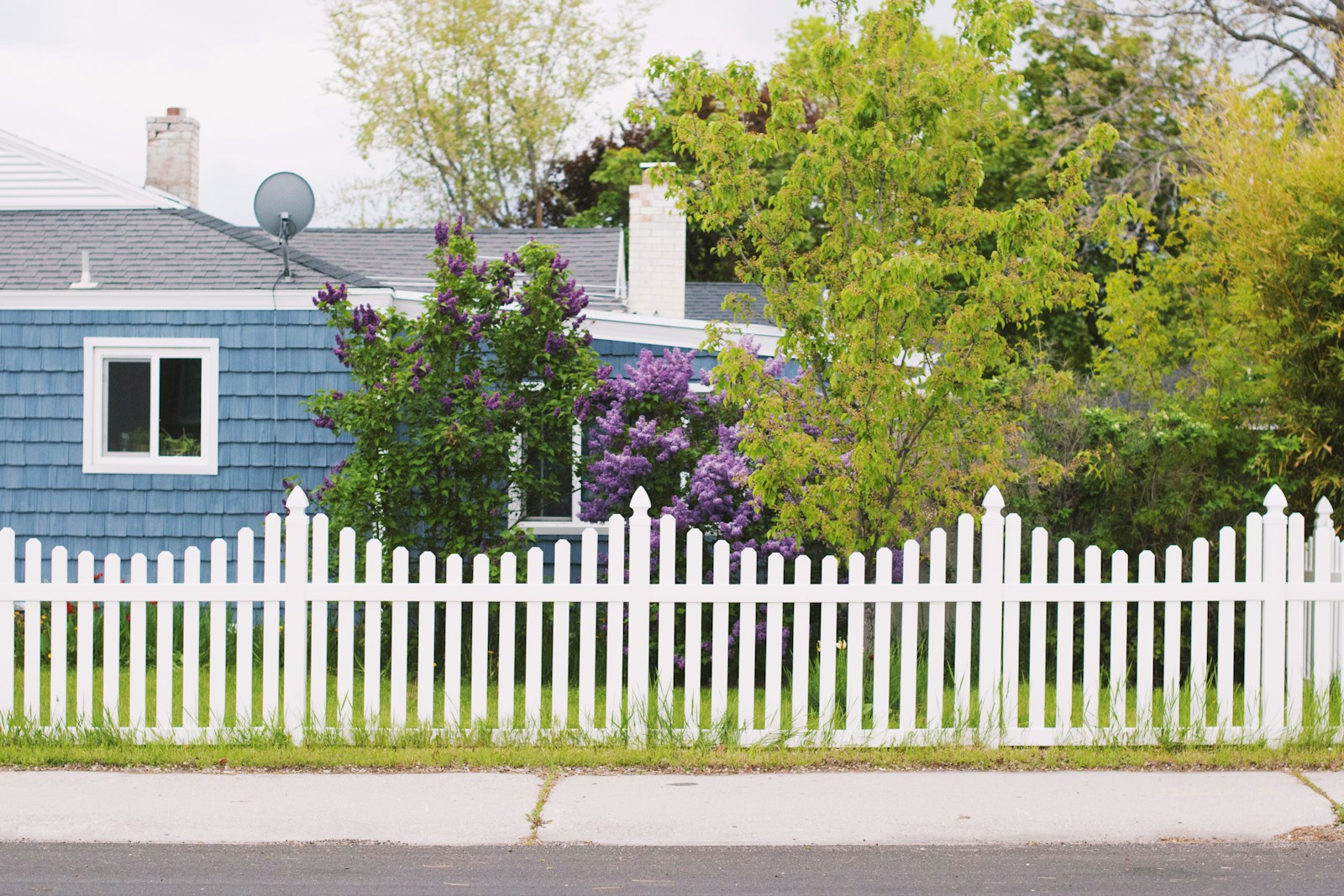
If you’re thinking, “Okay, but two feet is… still two feet,” you’re not alone. Property lines aren’t vibes-based, even if some people treat them like they are. And fences, as it turns out, are one of the fastest ways to turn casual friendliness into awkward eye contact.
A Fence Shows Up, and Suddenly Everyone’s a Surveyor
In many neighborhoods, a fence project isn’t just a weekend chore—it’s a tiny construction saga. There’s the measuring, the digging, the posts that mysteriously go in slightly crooked, and the neighbor who appears at the exact moment you’re holding a shovel like you’ve been doing this your whole life. But the real twist comes when the fence line doesn’t match what you’ve always assumed was the boundary.
Two feet might sound minor until you picture it. That’s a strip of land running the whole length of the fence—enough for a garden bed, a walkway, or a row of shrubs you now can’t reach without feeling like you’re trespassing in your own backyard. It’s also enough to set a precedent, which is where the “close enough” argument starts to feel a lot less cute.
Why “Close Enough” Can Become a Real Problem
The friendly version of this story is that your neighbor made an honest mistake. The less friendly version is that they’re testing what they can get away with, hoping you’ll just sigh and move on. Either way, the effect is the same: a structure is now occupying space that may legally belong to you.
And it’s not just about today’s two feet. Leaving a fence in the wrong place can cause headaches later—when you try to sell your home, refinance, build a shed, or install your own fence. Title companies, buyers, and inspectors tend to be allergic to blurry boundaries, and they don’t accept “we all agreed it was close enough” as documentation.
Step One: Confirm the Line (Without Guessing From Memory)
Before you do anything dramatic—like standing by the fence staring at it with your arms crossed for 20 minutes—make sure you’re right. Many homeowners rely on old assumptions, a faint memory of a survey stake from 2009, or that one map screenshot someone texted in the group chat. Unfortunately, property law doesn’t run on screenshots.
A good starting point is checking your property survey from when you bought the house, if you have one. You can also look for property markers (sometimes metal pins) at corners, though they can be buried or missing. If the fence placement is truly disputed, a licensed surveyor is often the cleanest way to turn “I think” into “here’s the line.”
Talk First, But Make It Specific
If you’ve confirmed—or strongly suspect—the fence is on your land, the next move is usually a calm conversation. Not a driveway debate while someone’s holding a leaf blower, but an actual “Hey, can we chat about the fence line?” moment. Keep it simple and concrete: you believe the fence is about two feet over, and you’d like to resolve it.
This is where tone matters. You don’t have to be icy, but you also don’t need to laugh it off to keep the peace. A helpful script is: “I’m not trying to be difficult, but property lines matter, and I need the fence moved to the correct boundary.” Friendly, firm, and focused on the issue—not on your neighbor’s personality.
Get It in Writing (Yes, Even If You’re “Friends”)
If your neighbor responds with “It’s fine, nobody will care,” that’s your cue to document what’s happening. That doesn’t mean launching into legal threats; it means creating a paper trail. After your conversation, send a polite follow-up text or email summarizing what you discussed and what you’re requesting.
Photos help, too—wide shots showing the fence line, close-ups of any markers, and anything else that indicates placement. If a survey confirms the fence is over the line, keep a copy and share it. Think of it less like preparing for a fight and more like future-proofing your sanity.
What If They Refuse to Move It?
Sometimes the neighbor who says “close enough” really means “I don’t want to pay for a redo.” If they dig in, you have a few common options depending on where you live: contacting your local building or permitting office, filing a complaint if permits or setbacks were ignored, or sending a formal demand letter. Many people start with a letter because it signals seriousness without instantly turning into a courtroom situation.
Mediation is another route that doesn’t get enough love. It’s basically a structured conversation with a neutral third party who keeps things on track, which can be useful when someone’s stuck in “you’re overreacting” mode. And if the fence truly encroaches and nothing else works, a real estate attorney can explain the practical next steps in your area.
The Quiet Risk: Losing Rights Over Time
Here’s the part nobody wants to think about during a neighborly dispute: time can change things. In some places, long-term encroachments can evolve into legal claims—especially if the use is open and unchallenged for years. The rules vary a lot by location, but the takeaway is pretty consistent: ignoring it indefinitely can weaken your position.
That’s why “not worth making a big deal about” can be misleading. You don’t have to explode the friendship, but you also don’t want to accidentally donate a slice of your yard because you didn’t want to seem picky. There’s a big difference between being petty and being clear about boundaries—literally.
Keeping It Neighborly While Still Standing Your Ground
Most people don’t actually want a feud over fencing. They want their yard back and they want to stop feeling weird every time they grill outside. It can help to offer practical paths forward: splitting the cost of a survey if it benefits both of you, suggesting a contractor move the fence, or setting a timeline so the project doesn’t drag on until next summer.
And if you need a little humor to keep yourself from spiraling, remember this: fences are supposed to define boundaries, not create mystery novels. If your neighbor’s acting like two feet is “close enough,” you can gently remind yourself that nobody would accept “close enough” from a roofer, a plumber, or a cashier counting change. Land is no different—it just comes with more grass.
What Homeowners Usually Do Next
In most versions of this story, the next step is a survey-backed conversation and a clear request to move the fence. If the neighbor cooperates, it becomes an annoying but solvable hiccup. If they don’t, the homeowner escalates gradually—documentation, local permitting checks, mediation, and legal advice if needed.
It’s not about winning. It’s about making sure your property is actually yours, on paper and in practice, without letting “close enough” become the new normal. Because if you don’t draw the line here, someone already did—and they put it two feet into your yard.
More from Cultivated Comfort:
- 7 Vintage Home Items From the ’60s That Are Collectors’ Dream Finds
- 7 Vintage Home Goods That Became Collectors’ Gold
- 7 Fast-Food Chains That Changed for the Worse
- 7 Frozen Dinners That Were Better Back in the Day

As a mom of three busy boys, I know how chaotic life can get — but I’ve learned that it’s possible to create a beautiful, cozy home even with kids running around. That’s why I started Cultivated Comfort — to share practical tips, simple systems, and a little encouragement for parents like me who want to make their home feel warm, inviting, and effortlessly stylish. Whether it’s managing toy chaos, streamlining everyday routines, or finding little moments of calm, I’m here to help you simplify your space and create a sense of comfort.
But home is just part of the story. I’m also passionate about seeing the world and creating beautiful meals to share with the people I love. Through Cultivated Comfort, I share my journey of balancing motherhood with building a home that feels rich and peaceful — and finding joy in exploring new places and flavors along the way.