In a quiet residential block that usually only gets dramatic over lawn height and recycling bins, one homeowner says a routine request turned into a bright, blinking standoff. After asking a neighbor to stop parking in a way that partially blocked their driveway, the homeowner claims the neighbor responded by installing a motion-activated floodlight aimed straight at their bedroom windows.
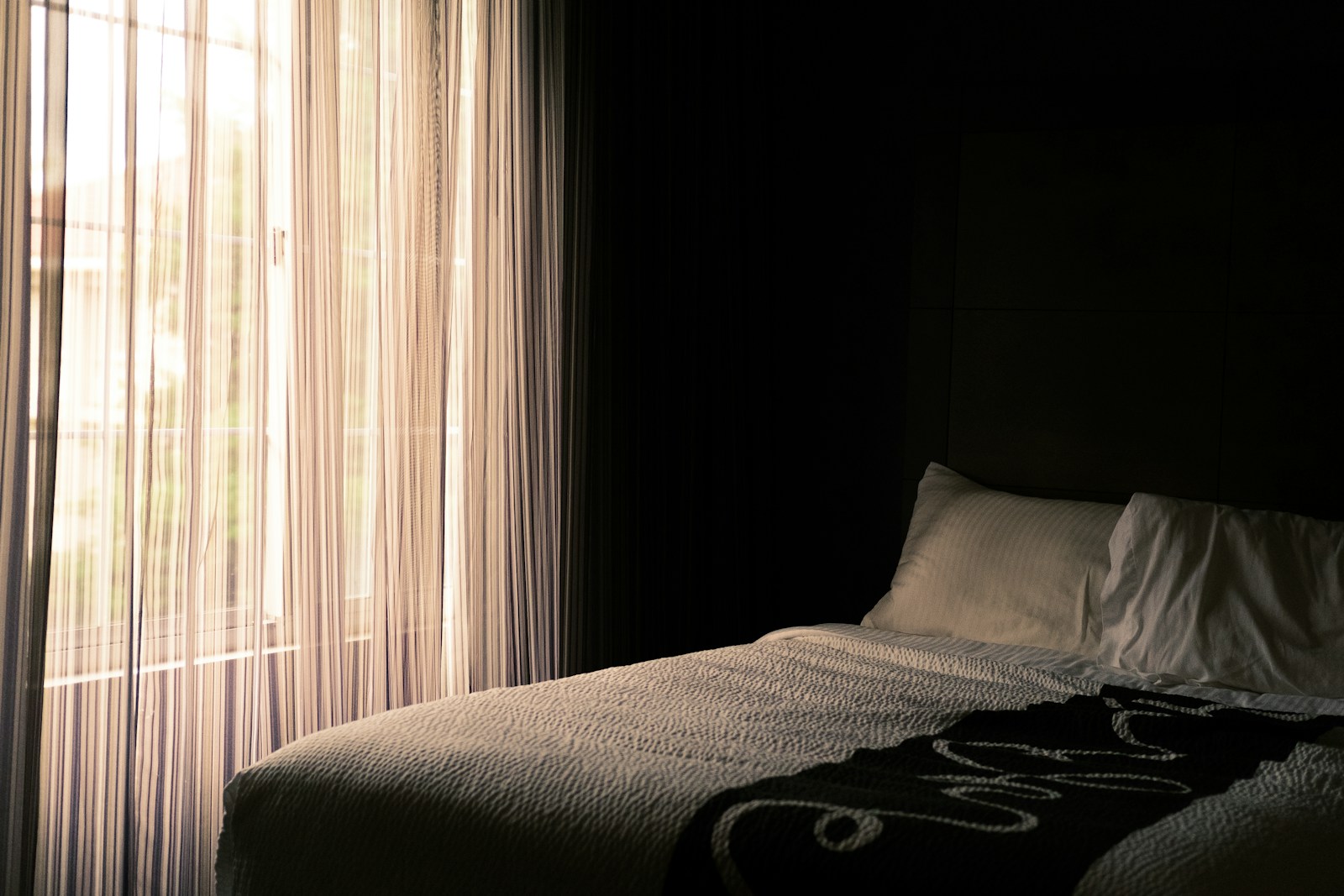
And when the glare became impossible to ignore, the neighbor allegedly brushed off complaints with a line that feels ripped from a bad spy movie: if the light is bothering you, it’s because you’re “doing something worth watching.” The homeowner, understandably, isn’t laughing.
A driveway dispute that didn’t stay in the driveway
It started with something boring and common: cars and curb space. The homeowner says the neighbor had a habit of stopping or parking in a way that made backing out of the driveway harder, especially at night or during busy hours.
According to the homeowner, they tried to handle it like most people would—polite, direct, and low-key. “Hey, could you not block the driveway?” is not exactly a fight invitation, but it can land that way if someone’s already defensive.
Neighbors on the street describe the area as typical: narrow driveways, a few households with multiple vehicles, and just enough street parking tension to keep everyone mildly annoyed. Still, the homeowner says they weren’t prepared for the request to come back as a spotlight aimed at the house.
The motion light goes up—and it’s aimed at the bedroom
Within a short time of the driveway conversation, the homeowner says the neighbor installed a motion-activated light on the side of their property. On its own, a motion light isn’t unusual—plenty of people add them for security, packages, or late-night dog walks.
The problem, the homeowner claims, is the direction and intensity. The beam allegedly hits the bedroom windows directly, kicking on repeatedly throughout the night whenever a car passes, a cat wanders by, or the wind moves a branch just enough to trigger the sensor.
Anyone who’s lived with an overly sensitive motion light knows the special kind of exhaustion it creates. You don’t just wake up once—you start anticipating the next flash, like your house is being photographed by paparazzi made of LEDs.
“Doing something worth watching”: the comment that escalated everything
When the homeowner approached the neighbor about the light, they say they expected an adjustment conversation: tilt it down, change the sensitivity, add a shield, maybe swap the bulb. Instead, the neighbor allegedly responded with the remark that if the homeowner is bothered, it must be because they’re “doing something worth watching.”
Even if meant as a joke, it landed like an accusation. The homeowner describes it as creepy, antagonistic, and weirdly personal—especially given that the light is aimed at a bedroom, not a driveway, walkway, or side gate.
It also turns a normal lighting dispute into something that feels like intimidation. A light can be “just a light” right up until it’s used to send a message.
What neighbors say happens next in situations like this
Street-level conflicts often follow a predictable script: one person feels disrespected, the other feels retaliated against, and suddenly everyone’s scanning property lines like they’re studying for an exam. In many neighborhoods, the first ripple is gossip—who started it, who’s being dramatic, and who’s “always been like that.”
But the homeowner’s story has a twist that gets people’s attention: the combination of a driveway issue, a bedroom-facing light, and a comment that implies surveillance. That mix tends to make even neutral bystanders quietly pick a side.
Some residents in similar disputes say they’ve had success with calm, written communication—short messages that stick to facts and avoid insults. Others say the only thing that worked was involving a third party, like a neighborhood association, mediation service, or city code enforcement.
Is a bright light just “security,” or can it be harassment?
Outdoor lighting is one of those topics where intent matters, but impact matters too. A motion light can genuinely improve safety, yet it can also create what’s known in some areas as “light trespass,” where illumination spills onto neighboring property in a disruptive way.
In many cities, there are nuisance or lighting ordinances that cover brightness, shielding, and aiming fixtures downward. Even where laws are vague, repeated nighttime disruption can sometimes fall under general nuisance rules—especially if it’s targeted and ongoing.
Then there’s the social side: a bedroom window is a sensitive target. Most people can understand why someone would feel unsettled by anything that repeatedly lights up their sleeping space, even if there’s no camera involved.
What the homeowner is doing to keep it from getting messier
The homeowner says they’ve started documenting what’s happening: times the light activates, how long it stays on, and photos showing the angle and brightness. It’s not glamorous, but it’s the sort of practical step that helps if the issue needs to be escalated later.
They’re also considering options that don’t require a full-blown neighborhood war. Sometimes a simple fix exists—adjusting the sensor range, adding a glare shield, or switching to a warmer, lower-lumen bulb that still lights the neighbor’s yard without blasting someone else’s room.
At the same time, the homeowner says the neighbor’s comment changed the tone. It’s hard to walk into a friendly compromise when the other person frames your discomfort as suspicious behavior.
Why driveway blocking and lighting disputes tend to collide
It’s rarely about just a driveway or just a light. These disputes usually boil down to perceived control over shared space: the street, the curb, the boundary between properties, and the unspoken rules everyone assumes others will follow.
When someone feels corrected—like being told not to block a driveway—they may look for a way to “take back” power without technically breaking a rule. A motion light is a perfect tool for that: it’s defensible, easy to install, and hard to argue with without sounding picky.
But what sounds “picky” in daylight can feel completely different at 2:00 a.m. when your room keeps flashing like you’re sleeping in a lighthouse.
What happens now
For the homeowner, the immediate goal is simple: sleep through the night without a spotlight turning on every time a moth sneezes outside. Whether that’s achieved through a conversation, a mediated compromise, or a formal complaint may depend on how willing the neighbor is to adjust the setup.
For the neighborhood, it’s a reminder of how fast small conflicts can become personal. A blocked driveway is annoying; a bedroom-facing floodlight paired with a “worth watching” comment is the sort of thing that makes people double-check their curtains and wonder what, exactly, the other person thinks this is.
And while most neighbor feuds burn out when someone gets tired of being mad, bright lights have a way of keeping everyone awake—literally and figuratively.
More from Cultivated Comfort:
- 7 Vintage Home Items From the ’60s That Are Collectors’ Dream Finds
- 7 Vintage Home Goods That Became Collectors’ Gold
- 7 Fast-Food Chains That Changed for the Worse
- 7 Frozen Dinners That Were Better Back in the Day

As a mom of three busy boys, I know how chaotic life can get — but I’ve learned that it’s possible to create a beautiful, cozy home even with kids running around. That’s why I started Cultivated Comfort — to share practical tips, simple systems, and a little encouragement for parents like me who want to make their home feel warm, inviting, and effortlessly stylish. Whether it’s managing toy chaos, streamlining everyday routines, or finding little moments of calm, I’m here to help you simplify your space and create a sense of comfort.
But home is just part of the story. I’m also passionate about seeing the world and creating beautiful meals to share with the people I love. Through Cultivated Comfort, I share my journey of balancing motherhood with building a home that feels rich and peaceful — and finding joy in exploring new places and flavors along the way.