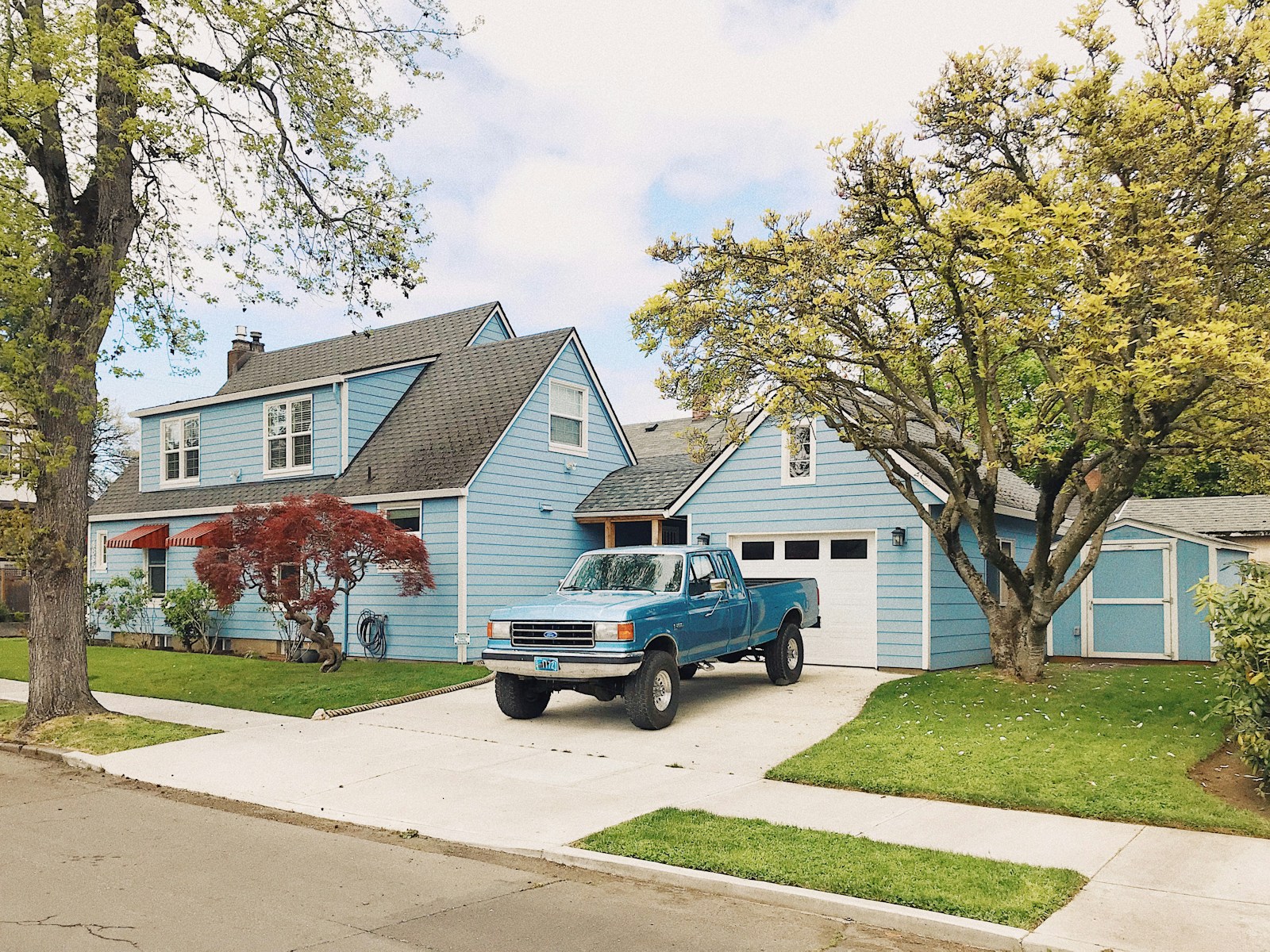
On a quiet residential street where the biggest drama is usually a recycling bin in the wrong spot, one homeowner found themselves starring in a surprisingly sticky parking feud. For months, they say, a neighbor repeatedly left his car creeping halfway into their driveway—just enough to block easy access, not enough to look like a full-on takeover. And when the homeowner finally called for a tow, the neighbor’s response wasn’t an apology. It was a neighborhood tour telling anyone who’d listen that the homeowner was “unstable.”
The situation, shared in a series of messages and described by nearby residents, has sparked the kind of debate communities love: What counts as an honest mistake, and how many “accidents” can happen before it starts to feel like a choice? It’s also a reminder that small boundary issues—literally, property lines—can spiral fast when no one wants to be the “bad guy.”
A driveway is not a suggestion
The homeowner, who asked not to be named because they still live on the street and would like to keep taking their trash out in peace, described a pattern that started as “annoying but manageable.” The neighbor would park on the street, but his front bumper would consistently hang into the driveway apron. At first, it looked like the kind of thing you assume will stop once someone notices.
But it didn’t. Week after week, the homeowner says they had to angle their own car in and out like they were practicing for a driving test, especially when leaving early or coming home late. “It wasn’t like he was fully blocking me in,” the homeowner said. “It was worse in a way—just enough to make everything harder.”
Months of polite nudges (and the art of being ignored)
According to the homeowner, they tried the normal, neighborly steps first. A quick conversation over the fence. A friendly text. The classic “Hey, could you pull up a bit? It’s cutting into my driveway.” They even chalked it up to tight street parking and assumed the neighbor was just misjudging distance.
The neighbor’s replies, they say, were always breezy. He’d apologize, promise to be more careful, and then—somehow—end up right back in the same spot a day or two later. At a certain point, “I didn’t know how many times I could say it without sounding like a broken record,” the homeowner added.
When “accidental” starts to feel like a habit
Neighbors who spoke about the situation described the street as crowded but not impossible. “You have to pay attention,” one resident said. “But nobody else parks in other people’s driveways. That’s kind of the rule.”
And that’s the thing: parking halfway into someone’s driveway is a weirdly specific choice. You don’t have to be a spatial genius to know where a driveway begins, and if you do it once, most people would be mortified enough to triple-check forever after. When it keeps happening for months, it stops reading like clumsiness and starts reading like someone assuming they’ll never face consequences.
The final straw: a blocked morning and a tow truck
The breaking point came on a morning the homeowner needed to leave quickly. The neighbor’s car, again, was nudged into the driveway—enough that backing out required a multi-point turn and a prayer. The homeowner says they stood there staring at it, then realized they were rearranging their life around someone else’s “oops.”
After taking photos (because everyone knows receipts matter), they called the non-emergency line to ask what their options were. They were told that a vehicle encroaching on a private driveway could be towed. Within a short time, a tow truck arrived and removed the car.
“I didn’t feel triumphant,” the homeowner said. “I felt tired. Like, why did it have to get to that?”
The neighbor’s reaction: not remorse, but a reputation campaign
When the neighbor realized his car was gone, the homeowner says he came over furious. He demanded to know why they “didn’t just tell him,” which, according to the homeowner, was almost impressive considering how many times they had. The conversation didn’t end with an apology or a plan to prevent it from happening again.
Instead, the neighbor apparently took his frustration public. Multiple residents reported hearing versions of the story from him, usually framed as the homeowner “overreacting” and being “unstable.” One neighbor described it as “a lot of emotion for someone who could’ve just parked correctly.”
It’s a classic pivot: if you can’t defend the behavior, question the other person’s sanity. The word “unstable” also has a way of doing heavy lifting without requiring details, which can make it feel extra unfair when the actual timeline includes months of warnings.
What the neighborhood is saying
Reactions on the street have been mixed, but not evenly. A few residents think towing is always “extreme,” mostly because nobody likes imagining their own car disappearing one day. Others point out that the homeowner gave repeated chances and that the neighbor had plenty of time to adjust.
One resident put it bluntly: “If you’re parking in someone’s driveway, you’re gambling. Sometimes you lose.” Another said the towing may have been the only language the neighbor would listen to. Meanwhile, the homeowner has found themselves navigating the awkwardness of waving at people who may or may not have heard the “unstable” version first.
The quiet reality: towing is expensive, but so is constant stress
To outsiders, towing can look like a nuclear option. But living with a daily, low-grade boundary violation can do a number on your patience and your sense of control at home. And because it’s “not that bad” on any single day, it’s easy for the person causing the problem to act like you’re making a big deal out of nothing.
There’s also the safety angle, which gets overlooked. Tight maneuvering increases the risk of scraping cars, hitting a mailbox, or backing into the street awkwardly. “I didn’t want to be liable for an accident created by his parking,” the homeowner said.
Why this kind of dispute escalates so fast
Parking conflicts are rarely just about asphalt. They’re about respect, shared space, and whether people feel entitled to convenience at someone else’s expense. When one person keeps pushing and the other keeps accommodating, resentment builds quietly until it pops.
And once it pops, the story tends to travel faster than the context. A neighbor can tell five people “they towed my car” in an afternoon. Explaining “I asked him nicely for months, documented it, and still couldn’t use my driveway properly” takes longer and sounds defensive even when it’s true.
What happens next
For now, the homeowner says the driveway has been clear, which is the whole point. They’ve continued documenting any future encroachments, just in case, and they’re keeping interactions brief and calm. Several neighbors have quietly expressed support, even if they’re not eager to get caught in the middle.
As for the “unstable” label, the homeowner is trying to let it roll off. “If protecting my driveway makes me unstable,” they said, “then I guess stability is overrated.” It’s a line delivered with a tired laugh, the kind you make when you didn’t want drama but you also weren’t put on earth to host someone else’s bumper.
More from Cultivated Comfort:
- 7 Vintage Home Items From the ’60s That Are Collectors’ Dream Finds
- 7 Vintage Home Goods That Became Collectors’ Gold
- 7 Fast-Food Chains That Changed for the Worse
- 7 Frozen Dinners That Were Better Back in the Day

As a mom of three busy boys, I know how chaotic life can get — but I’ve learned that it’s possible to create a beautiful, cozy home even with kids running around. That’s why I started Cultivated Comfort — to share practical tips, simple systems, and a little encouragement for parents like me who want to make their home feel warm, inviting, and effortlessly stylish. Whether it’s managing toy chaos, streamlining everyday routines, or finding little moments of calm, I’m here to help you simplify your space and create a sense of comfort.
But home is just part of the story. I’m also passionate about seeing the world and creating beautiful meals to share with the people I love. Through Cultivated Comfort, I share my journey of balancing motherhood with building a home that feels rich and peaceful — and finding joy in exploring new places and flavors along the way.