In many towns, festival weekends come with a familiar soundtrack: live music, food trucks, and the steady chorus of car doors slamming on residential streets. For one homeowner, though, the real headline wasn’t the festival—it was the neighbor who decided to turn curb space into a side hustle. The neighbor began charging event guests to park in front of a nearby house, brushing off complaints with a casual, “It’s all public property anyway.”
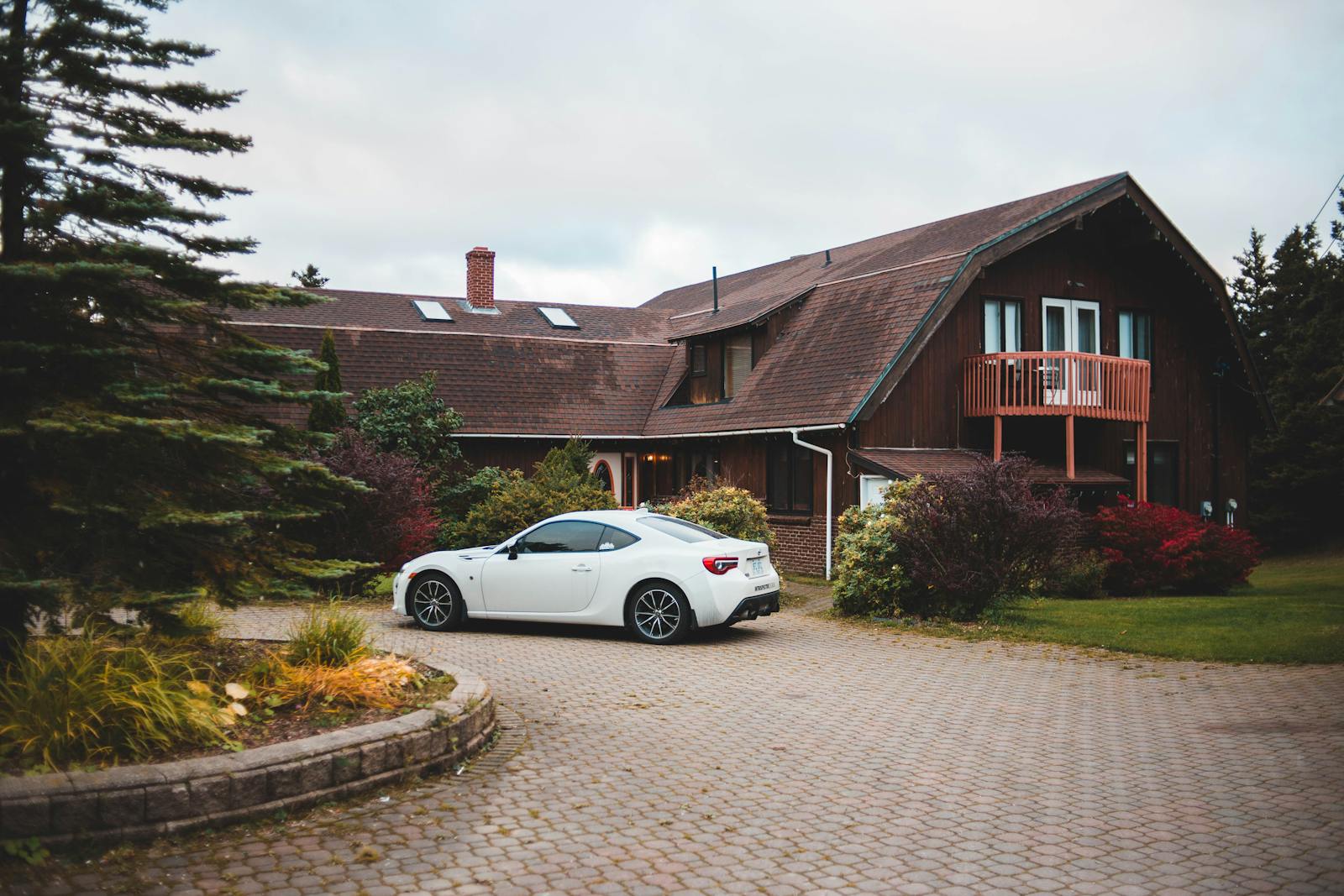
That might sound like a minor annoyance until the paid parkers started blocking a driveway. Suddenly, the situation shifted from “mildly irritating” to “I can’t get out of my own home,” which is the kind of problem that makes people learn municipal parking rules way faster than they ever wanted to.
A Festival Tradition Turns Into a Parking Business
Local festivals often bring thousands of visitors into walkable downtowns, and residential neighborhoods close by become the overflow lot. Some homeowners shrug it off as the cost of living near the action; others put out cones or signs, hoping for a little breathing room. This time, one neighbor saw opportunity and started directing drivers into curb spots—especially the ones in front of someone else’s house.
According to residents, guests were told they could park for a fee, as if the curb were a private lot with valet service. People handed over cash or sent payments electronically, then left their cars wherever the neighbor pointed. The problem: “wherever” sometimes meant partially across a driveway apron, or close enough to make backing out feel like a three-point turn in a phone booth.
“Public Street” Doesn’t Mean “No Rules”
The neighbor’s defense—“It’s public property anyway”—has a kernel of truth with a whole lot of missing context. In many places, the street and curb are public, and legal parking is generally first-come, first-served. But “public” doesn’t mean someone can rent it out like a private commodity, and it definitely doesn’t mean drivers can block access to a driveway.
Most city codes are pretty clear on at least two points: you can’t obstruct driveways, and you can’t create hazards by parking too close to intersections, fire hydrants, or within posted no-parking zones. Some towns also have rules about “for-profit” parking operations, especially if someone’s acting like an unlicensed lot attendant on residential streets. Even when the curb is public, the ability to use your driveway isn’t optional—it’s part of basic access to your property.
When Paid Guests Block a Driveway, It Stops Being a Neighborly Spat
Blocking a driveway can quickly move from petty irritation to a real safety and accessibility issue. If you can’t leave for work, pick up a kid, or get to an appointment, the impact is immediate. And if emergency access is compromised—say, someone needs to get an elderly resident into a car quickly—it becomes more than just inconvenient.
Residents describing similar situations say the worst part isn’t even the cars; it’s the uncertainty. You don’t know if you’ll be able to get out, how long the vehicle will sit there, or whether the driver will be reachable. And when the person orchestrating it shrugs, it adds a layer of insult that’s hard to ignore.
What Neighbors Say Usually Works First: Calm, Specific, Documented
People who’ve dealt with festival parking chaos often start with the simplest approach: a calm, direct conversation. Not a debate about “public property,” but a specific request—“Your guests are blocking my driveway; that can’t happen.” Keeping it concrete matters because it shifts the focus from opinions to behavior.
Documentation can help, too, especially if the problem repeats every festival weekend. Photos showing the blockage (including the license plate and how the driveway is obstructed) create a clear record. The goal isn’t to build a courtroom drama; it’s to have something solid if you need to call parking enforcement or ask the city to intervene.
City Parking Enforcement: Boring, Effective, and Often Underused
Many residents don’t realize how straightforward driveway-blocking complaints can be for local authorities. In a lot of municipalities, parking enforcement can ticket a vehicle for obstructing a driveway, whether it’s fully blocked or partially blocking access. If the situation is severe or repeated, towing can be an option depending on local rules.
Some homeowners also report success calling non-emergency police lines during large events when parking enforcement is stretched thin. The key is to frame it plainly: “A vehicle is blocking my driveway; I can’t enter/exit.” That tends to get a faster response than explaining the entire neighbor-versus-neighbor backstory, tempting as that may be.
The Awkward Question: Can Someone Charge for Street Parking?
This is where things get interesting, because the answer depends on local ordinances—but the neighbor’s confidence doesn’t automatically make it legal. In many places, you can’t reserve public parking spaces with cones or signage unless you have a permit. And operating a paid parking setup may trigger licensing, tax, or business rules—especially if the neighbor is directing traffic, advertising, or collecting money regularly.
Even if charging people isn’t explicitly prohibited, misrepresenting authority can be a problem. If guests are led to believe they’re paying for a legitimate right to park somewhere, the situation can quickly veer into “this feels scammy” territory. And nothing ends a casual side hustle faster than a city inspector asking pointed questions.
What Some Neighborhoods Do to Prevent the Same Problem Next Festival
In communities that host frequent events, residents sometimes push for preventative measures rather than playing whack-a-mole with cars. Temporary “No Parking” zones near driveways, clearer curb markings, or added signage can reduce confusion. A few neighborhoods organize with the city to create permitted event parking areas, steering visitors away from tight residential streets.
Another common fix is a residential permit parking program during big weekends. It’s not always popular—nobody loves bureaucracy—but it can stop strangers from treating the street like a free-for-all. If the festivals are recurring, residents often find that one meeting with a city council member or parking department can accomplish more than a dozen driveway confrontations.
Keeping It Civil When You Still Have to Live Next Door
Even when you’re in the right, it’s worth thinking about the long game. Most people don’t want to spend the next five years making eye contact awkward at the mailbox. Setting firm boundaries without escalating—“Don’t direct people to park in front of my house, and do not allow driveway blockages”—can be both clear and calm.
And yes, it’s okay to be a little curious about the logic leap that turns “public street” into “my personal revenue stream.” But when access to your driveway is being blocked, you don’t need to win a philosophical argument. You just need the cars moved, the behavior stopped, and a festival weekend that doesn’t require you to schedule errands around strangers’ bumpers.
More from Cultivated Comfort:
- 7 Vintage Home Items From the ’60s That Are Collectors’ Dream Finds
- 7 Vintage Home Goods That Became Collectors’ Gold
- 7 Fast-Food Chains That Changed for the Worse
- 7 Frozen Dinners That Were Better Back in the Day

As a mom of three busy boys, I know how chaotic life can get — but I’ve learned that it’s possible to create a beautiful, cozy home even with kids running around. That’s why I started Cultivated Comfort — to share practical tips, simple systems, and a little encouragement for parents like me who want to make their home feel warm, inviting, and effortlessly stylish. Whether it’s managing toy chaos, streamlining everyday routines, or finding little moments of calm, I’m here to help you simplify your space and create a sense of comfort.
But home is just part of the story. I’m also passionate about seeing the world and creating beautiful meals to share with the people I love. Through Cultivated Comfort, I share my journey of balancing motherhood with building a home that feels rich and peaceful — and finding joy in exploring new places and flavors along the way.