It started the way a lot of neighborhood annoyances start: small, casual, and wrapped in a smile. A homeowner in a quiet residential block says their neighbor began pulling into their driveway “just for a few minutes” whenever guests came over. At first, it felt like a harmless favor—until “a few minutes” turned into a pattern, and a simple request to move the car started coming with eye-rolls and accusations of being “difficult.”
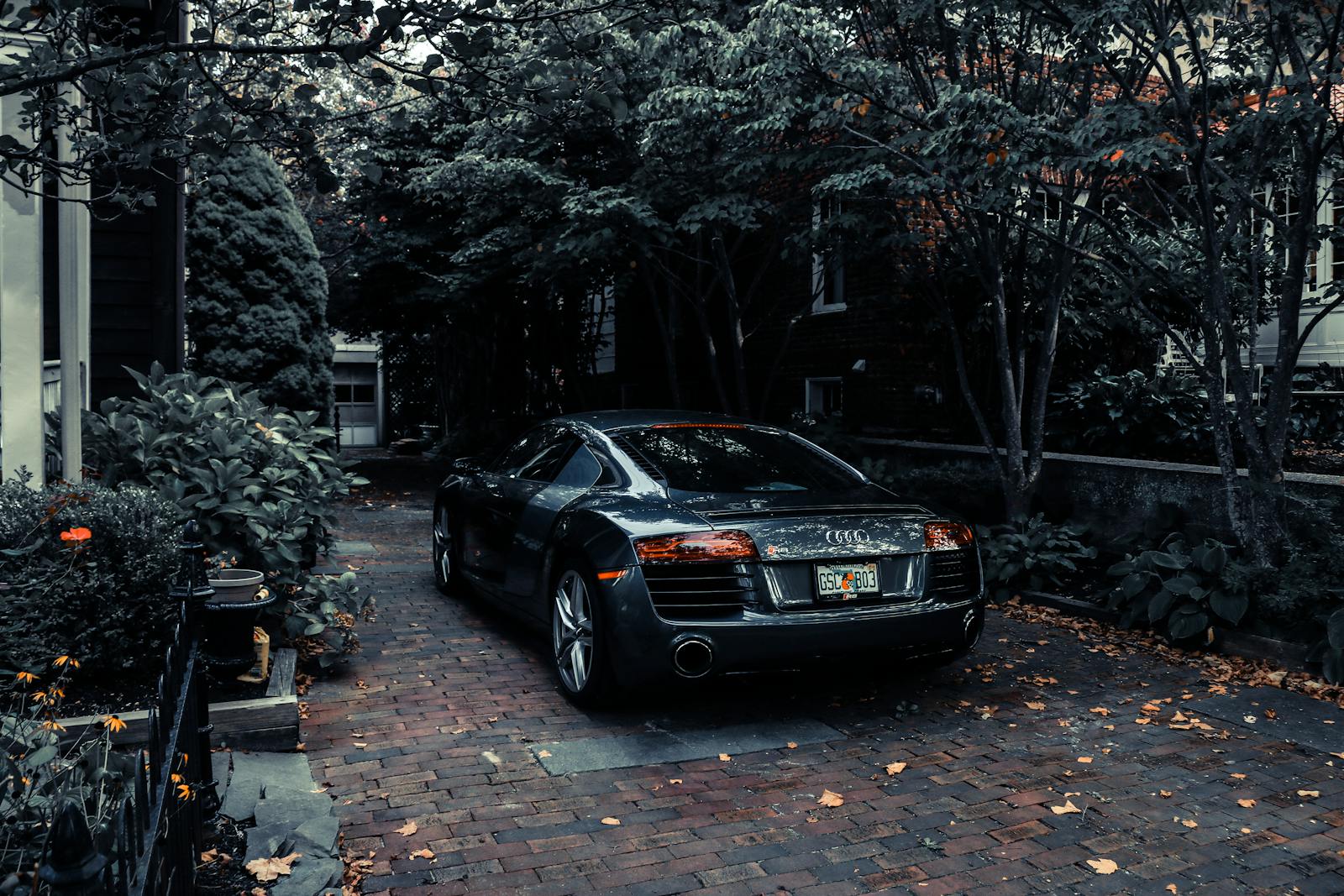
Now the situation has become a low-grade standoff, complete with awkward driveway choreography and the kind of tension that makes you suddenly very interested in taking the trash out at different times. The homeowner says they’re not trying to start a feud; they just want to use their own driveway without feeling like they’re negotiating a treaty.
How a “Quick Stop” Became a Regular Thing
According to the homeowner, the first time it happened, the neighbor asked politely. He had company, the street parking was tight, and he’d be out soon. The homeowner agreed, figuring it was a one-off and wanting to be friendly.
But over the following weeks, the “quick stop” came back—often on the same days, usually when the neighbor had visitors. Sometimes the neighbor asked. Sometimes he didn’t. And that’s when the simple favor started feeling less like a neighborly moment and more like a routine entitlement.
The Real Problem Isn’t the Car—It’s the Assumption
If you’ve ever dealt with a boundary issue, you know the object isn’t always the point. It’s not just a vehicle on concrete; it’s the implied message: “I can use your space when it’s convenient for me.” That can make even the calmest person feel oddly disrespected, especially when it’s their property and they’re the one getting inconvenienced.
The homeowner said the disruption is practical, too. They’ve been blocked in when trying to leave, stuck waiting after errands, and forced into uncomfortable “hey, can you move?” conversations that somehow make them feel like they’re the one causing trouble. As they put it, “I’m not trying to police the driveway. I’m trying to use it.”
When Asking Nicely Starts Getting You Labeled “Difficult”
The turning point came when the homeowner began requesting—consistently—that the neighbor move his car immediately. Instead of a quick apology and a shuffle of keys, the neighbor started acting irritated. He’d sigh, grumble, or joke about it in a way that wasn’t really a joke.
Then came the line that tends to escalate anything: “You’re being difficult.” It’s a clever little reversal, because it frames the person setting a boundary as the problem, not the person crossing it. Suddenly the homeowner wasn’t just asking for access to their own driveway; they were defending their right to ask at all.
Why This Happens More Often Than People Think
Neighborhood friction has a way of growing in tiny increments. A favor becomes an expectation. An expectation becomes a habit. And once it’s a habit, any pushback feels, to the other person, like a change in the “deal,” even if the deal was never real in the first place.
There’s also something about parking that makes people weirdly bold. Maybe it’s because cars are so normal and everyday that folks forget they’re still taking up space—your space. Or maybe it’s because “I’ll be quick” is the universal phrase that makes everyone believe time works differently than it does.
What Neighbors Say: “Street Parking Is Hard, But…”
Talk to enough people on any block and you’ll hear both sides. Yes, street parking can be genuinely stressful, especially when families gather, kids visit, or someone’s hosting a game night. And sure, a driveway can look like “extra” space if it’s empty at that moment.
But the unspoken rule most neighbors agree on is simple: driveways aren’t community property. They’re not a loading zone, not a waiting room, and not an overflow lot when someone’s cousin shows up in an SUV. If you need it, you ask—and if the answer changes, you adapt.
Small Fixes That Can Keep It From Turning Into a Full-On Feud
The homeowner’s biggest challenge is handling the issue without turning daily life into an awkward sitcom. People who’ve navigated similar situations often recommend making the boundary clear and boring. Not angry, not dramatic—just consistent, like a rule about closing the gate.
One approach is a calm, direct line said the same way every time: “Hey, I need my driveway clear. Please don’t park there.” No long explanations, no debate club. The more you justify it, the more it can sound like it’s negotiable—when it’s not.
If the neighbor pushes back with “It’s only a few minutes,” a simple reply can do the job: “I get it, but I still need it open.” That sentence is polite, firm, and surprisingly hard to argue with without sounding unreasonable. And if they call you difficult again, it helps to remember: being firm isn’t the same as being rude.
When You Might Need to Put It in Writing (Gently)
Most people hope it won’t come to this, but sometimes a casual boundary needs a more official feel. That doesn’t mean a legal threat; it can be a friendly text. Something like: “Hey, just a heads up—please don’t use our driveway for guest parking anymore. We need to keep it open.”
Why text? Because it reduces the “he said, she said” vibe and makes the boundary harder to pretend wasn’t communicated. It also gives you a way to be friendly while staying firm, which is the sweet spot in neighbor diplomacy.
The Awkward Truth: This Isn’t About Minutes, It’s About Respect
What the homeowner wants is pretty basic: control over their own property and a neighbor who doesn’t treat that request like a personal insult. A respectful neighbor might be mildly inconvenienced, but they’d still say, “No problem,” and figure out a different plan. An entitled neighbor treats your boundary like an attack.
And that’s the part that sticks. Not the tire tracks, not the temporary blockage, but the attitude that your comfort matters less than their convenience. If nothing else, this situation is a reminder that good fences might make good neighbors—but clear driveways make for much quieter evenings.
What Happens Next
For now, the homeowner says they’re staying consistent: the driveway stays off-limits, even for “just a second.” They’re hoping the neighbor adjusts, the habit fades, and the whole thing becomes one of those stories you laugh about later—like the time someone’s dog kept stealing grill brushes.
But until then, the message is simple and fair: if you’re parked in someone else’s driveway, you’re not doing them a favor. You’re borrowing space you don’t own. And if you’re asked to move, the normal response isn’t annoyance—it’s grabbing your keys and saying, “Sorry about that.”
More from Cultivated Comfort:
- 7 Vintage Home Items From the ’60s That Are Collectors’ Dream Finds
- 7 Vintage Home Goods That Became Collectors’ Gold
- 7 Fast-Food Chains That Changed for the Worse
- 7 Frozen Dinners That Were Better Back in the Day

As a mom of three busy boys, I know how chaotic life can get — but I’ve learned that it’s possible to create a beautiful, cozy home even with kids running around. That’s why I started Cultivated Comfort — to share practical tips, simple systems, and a little encouragement for parents like me who want to make their home feel warm, inviting, and effortlessly stylish. Whether it’s managing toy chaos, streamlining everyday routines, or finding little moments of calm, I’m here to help you simplify your space and create a sense of comfort.
But home is just part of the story. I’m also passionate about seeing the world and creating beautiful meals to share with the people I love. Through Cultivated Comfort, I share my journey of balancing motherhood with building a home that feels rich and peaceful — and finding joy in exploring new places and flavors along the way.