It started the way so many neighborhood dramas do: quietly, repeatedly, and with just enough plausibility that you wonder if you’re overreacting. One afternoon, you notice a neat tire track cutting through your petunias. The next day, the same spot looks like it hosted a tiny Tour de France—straight through the mulch, over the seedlings, and out the other side.
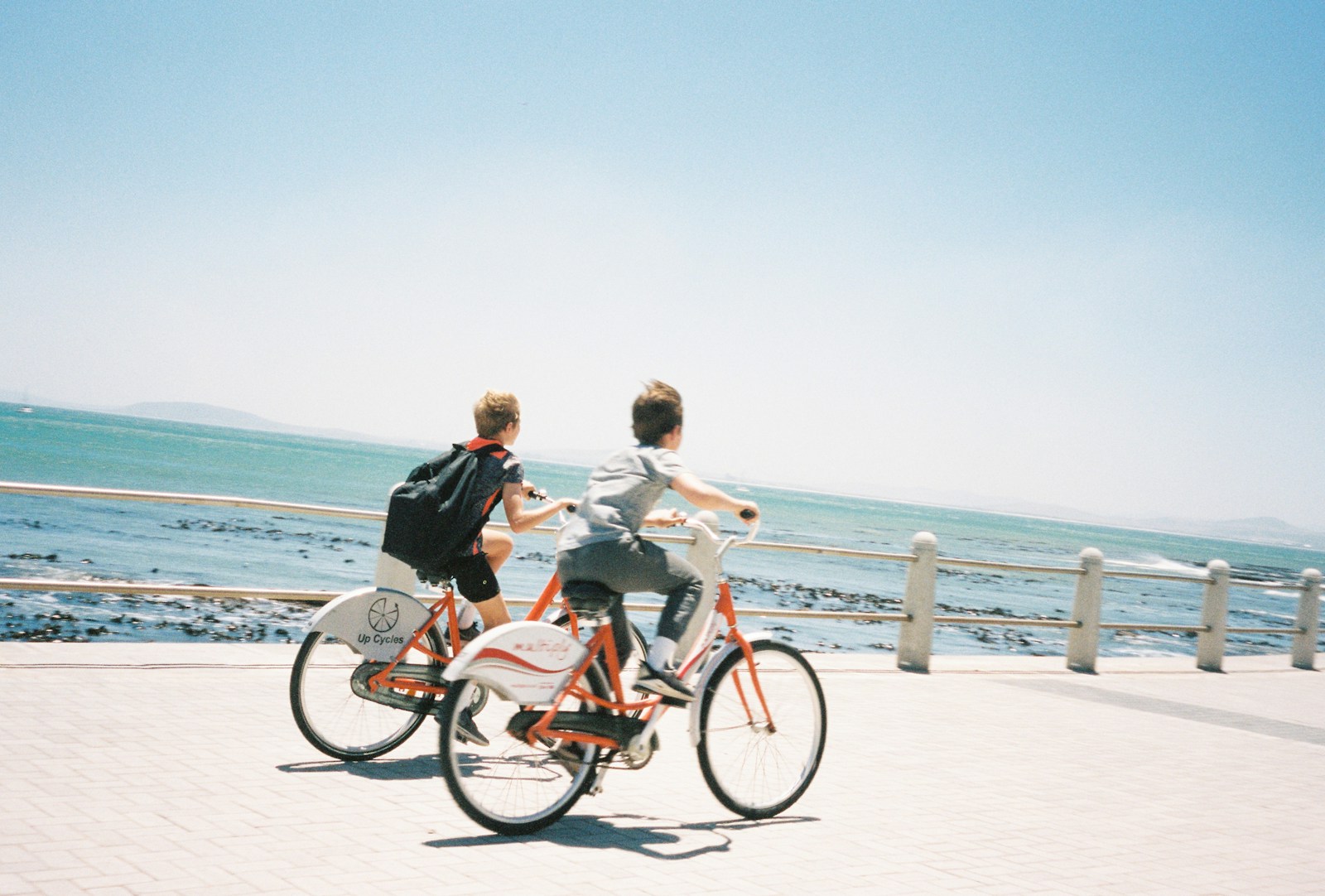
When you finally bring it up, hoping for a simple “Oh gosh, sorry, we’ll talk to them,” you get hit with something else entirely. “Kids will be kids,” they say, and then the kicker: you should “expect some wear and tear.” It’s the kind of sentence that sounds reasonable for a playground, and completely unhinged when applied to your carefully planted flower beds.
A Classic Suburban Plot Twist: When ‘Wear and Tear’ Isn’t Yours to Pay For
“Wear and tear” is one of those phrases that’s meant to soothe, like a verbal pat on the shoulder. The problem is that it usually applies to things you agreed to use—your own carpet, your own couch, your own sanity after assembling flat-pack furniture. It doesn’t typically apply to the landscaping in someone else’s yard.
Homeowners put time and money into gardens for a reason. Some people garden because it’s relaxing; others because they’re trying to boost curb appeal; others because they just want to keep the neighborhood rabbits busy. Whatever your reason, watching bike tires grind your plants into salad isn’t part of the deal.
What’s Actually Happening in the Yard
In most of these situations, the route is the real story. Kids aren’t usually targeting flowers out of spite; they’re following the easiest line from Point A to Point B. Maybe there’s a shortcut to a friend’s driveway, a slope that makes biking feel like a mini downhill course, or a gap between hedges that practically invites a “send it.”
The trouble is that a repeated path becomes a habit fast. The more it happens, the more your beds flatten, the more the “trail” becomes visible, and the more the kids think, “Oh, this must be the way.” It’s unintentional escalation—until it isn’t.
Why the Parents’ Response Stings (Even If You’re Trying to Stay Chill)
What makes this feel personal isn’t just the damage—it’s the dismissal. When you raise a reasonable boundary and someone replies like you’re being precious, it can feel like they’re telling you your space doesn’t matter. That’s the part that lingers, even after you replant.
Also, the phrase “expect some wear and tear” quietly shifts responsibility. It suggests you’re supposed to accommodate their choices, even though you didn’t sign up for the neighborhood bike lane through your begonias. It’s not that kids can’t make mistakes; it’s that adults are supposed to help them learn where the line is.
Neighborhood Etiquette: The Unwritten Rules Everyone Pretends Are Written
Most neighborhoods run on simple expectations: you don’t leave trash in someone else’s yard, you don’t let your dog treat other people’s lawns like a personal restroom, and you don’t cut through landscaped areas. Sidewalks, driveways, and streets are for wheeled things. Flower beds are for plants and the occasional dramatic squirrel.
When those lines get blurry, it helps to remember that “friendly” doesn’t mean “permissionless.” You can be a good neighbor and still expect basic respect for property. In fact, clear boundaries are often what keep neighborhoods friendly in the long run.
Small Fixes That Can Make a Big Difference
If you’re dealing with this right now, the best first step is usually to make the correct path obvious. Kids respond to the route that feels easiest, not the route that feels morally right. If there’s a gap in a hedge or a corner that creates a tempting shortcut, that’s where you’ll want to focus.
People often have success with low, non-aggressive barriers—think short garden edging, decorative fencing, or a line of larger rocks that says “this is a garden” without looking like a fortress. Even a few strategically placed planters can steer traffic away. The goal isn’t to punish anyone; it’s to remove the “fun and easy” option.
Signs can help, but only if they’re clear and not snarky. A simple “Please stay on sidewalk—new plants growing” reads as reasonable instead of confrontational. And yes, it’s mildly annoying that you have to label your own yard like a museum exhibit, but it can work.
How to Talk to the Parents Without Starting a Cold War
If the parents already brushed you off, a second conversation may need a different angle. Instead of debating whether kids should be kids (they will be, loudly), keep it specific: “The bikes are going through the flower bed on the left side and it’s damaging the plants.” Calm, factual, hard to argue with.
It also helps to make a direct request instead of a general complaint. “Can you please ask them to use the sidewalk and not cut through the garden?” is clearer than “Your kids keep ruining my yard.” If you can, mention what you’ve already done—“I just replanted that area”—so the impact feels real, not theoretical.
If they respond with the same “wear and tear” line, you can politely hold the boundary: “I understand kids play, but this is my property and I need it to stop.” You don’t have to match their tone or convince them you’re a nice person. You just have to be clear.
When It Keeps Happening: Documenting and Escalating (Without Getting Dramatic)
If the damage continues, it’s reasonable to document it. A few dated photos of tire tracks and crushed plants aren’t petty—they’re a record in case you need to involve a third party. No one loves doing this, but it can prevent a situation where the story turns into “That never happened” or “It’s just a little dirt.”
Some people choose to contact a neighborhood association, property manager, or local mediation service if one exists. If you’re in a place with city ordinances about property damage or trespassing, you may have formal options too. The goal isn’t to “get” anyone; it’s to protect your yard when polite requests aren’t working.
The Part Nobody Says Out Loud: This Is Also About Respect
At the heart of it, the issue isn’t that children are biking. It’s that your space is being treated like a public utility, and your time and money are being treated like they don’t count. That’s why this can feel so aggravating, even if the actual plants are replaceable.
And here’s the funny thing: most kids can learn the rule quickly if an adult takes it seriously. A simple “Hey, don’t ride there—those are plants” from a parent goes a long way. When adults shrug it off, kids absorb that shrug like it’s permission.
What a Good Outcome Looks Like
The best-case ending is surprisingly simple. The kids keep riding their bikes, the neighborhood stays friendly, and your flower beds stop doubling as a BMX course. You shouldn’t have to choose between being “nice” and having your yard intact.
Because “wear and tear” is real—just not the kind you’re supposed to expect from someone else’s tires. If your neighbor wants a bike trail, there’s a perfectly good one available: their own lawn.
More from Cultivated Comfort:
- 7 Vintage Home Items From the ’60s That Are Collectors’ Dream Finds
- 7 Vintage Home Goods That Became Collectors’ Gold
- 7 Fast-Food Chains That Changed for the Worse
- 7 Frozen Dinners That Were Better Back in the Day

As a mom of three busy boys, I know how chaotic life can get — but I’ve learned that it’s possible to create a beautiful, cozy home even with kids running around. That’s why I started Cultivated Comfort — to share practical tips, simple systems, and a little encouragement for parents like me who want to make their home feel warm, inviting, and effortlessly stylish. Whether it’s managing toy chaos, streamlining everyday routines, or finding little moments of calm, I’m here to help you simplify your space and create a sense of comfort.
But home is just part of the story. I’m also passionate about seeing the world and creating beautiful meals to share with the people I love. Through Cultivated Comfort, I share my journey of balancing motherhood with building a home that feels rich and peaceful — and finding joy in exploring new places and flavors along the way.