It started like a lot of modern neighborhood drama does: with a small black dome mounted under an eave and a blinking light that suddenly made a familiar space feel… different. One day the backyard is where you drink coffee in mismatched pajama pants; the next, it’s a set on someone else’s “just in case” surveillance system. When the homeowner next door was asked about the camera’s angle, his response was casual and sharp: “If you’re not doing anything wrong, you shouldn’t worry.”
That line might be the most common sentence in the unofficial handbook of privacy arguments, right next to “It’s for my safety” and “It only records when there’s motion.” It also misses the point in a way that’s almost impressive. People don’t want privacy because they’re plotting crimes in the hydrangeas; they want privacy because it’s normal to not be watched in your own space.
A backyard isn’t a public sidewalk, and everyone knows it
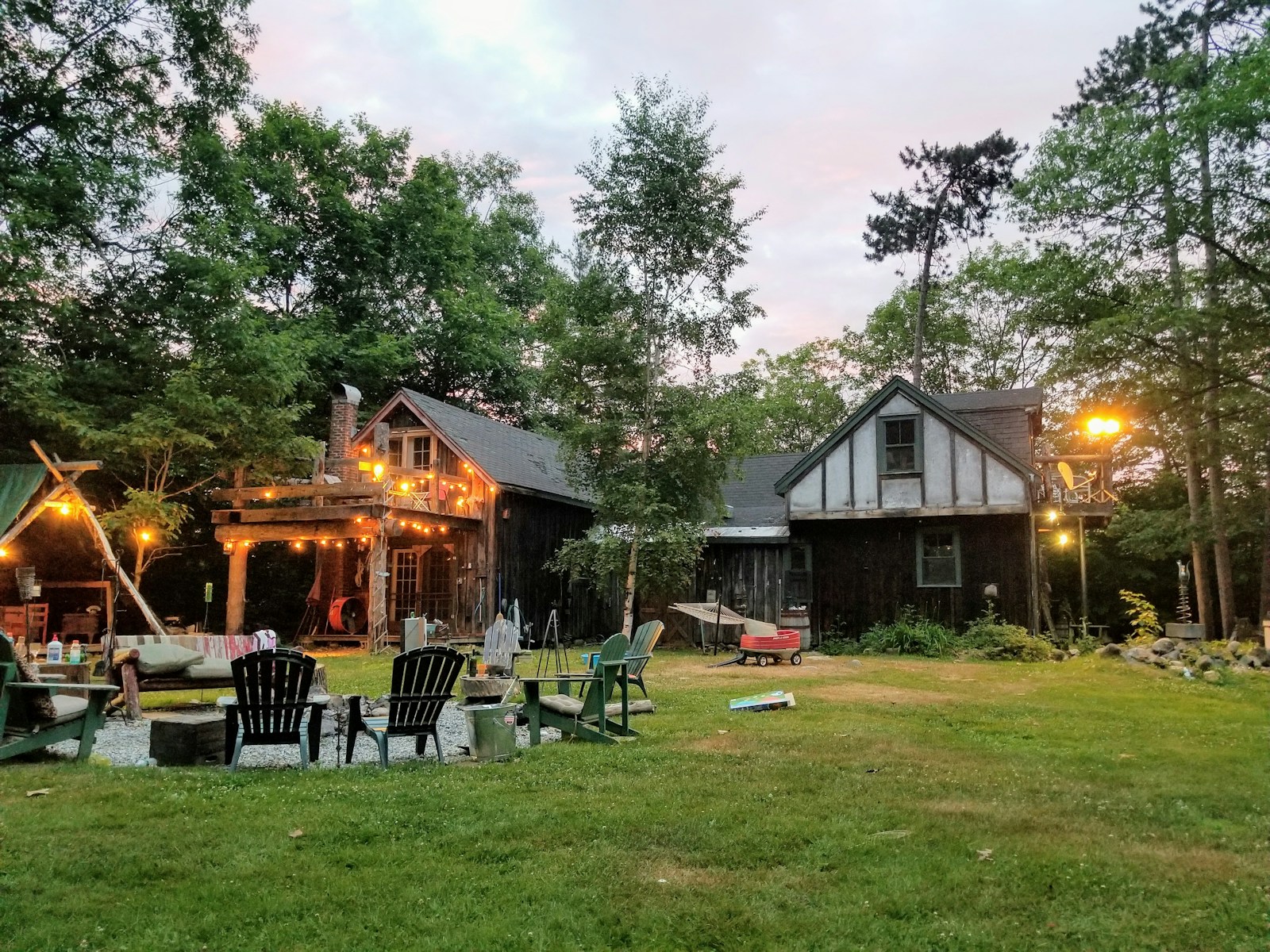
Security cameras are everywhere now, and most folks have gotten used to seeing them on porches, garages, and doorbells. The tension shows up when “monitoring my property” turns into “monitoring your life,” even if that wasn’t the intention. A backyard, especially a fenced one, is where people expect a little separation from the world—kids playing, friends chatting, you trying to rescue a tomato plant that clearly hates you.
Neighbors often don’t realize how wide a camera’s field of view can be, or how sensitive modern motion detection is. What looks like “aimed at my driveway” from their side can easily include your patio, your back door, or the sliding glass you thought gave you some peace. And because the tech is cheap and easy, the social etiquette hasn’t caught up yet.
That “if you’ve got nothing to hide” line is a red flag—socially, not legally
The phrase is less a thoughtful argument and more a conversation stopper. It frames you as suspicious for wanting boundaries, which is backwards in any healthy community. You can be a perfectly law-abiding person and still not want to feel like you’re living in someone else’s security feed.
There’s also a trust issue baked into it. Even if your neighbor is totally reasonable, cameras create records, and records can be shared, misinterpreted, or accessed by someone you never agreed to invite into your backyard. Wanting control over how you’re observed isn’t paranoia; it’s basic consent, just in a very suburban format.
What the law generally cares about: expectation of privacy and camera placement
Legally, this situation can swing a few different ways depending on where you live. Many places allow homeowners to record their own property, and anything visible from public areas is often fair game. But backyards can be tricky, because a fenced yard or an area not easily visible from the street may carry a stronger “reasonable expectation of privacy.”
Some jurisdictions treat intentional surveillance into a neighbor’s private space as a potential nuisance or even a privacy violation, especially if it’s persistent and clearly targeted. Audio recording is another major wrinkle: recording conversations without consent can be illegal in many places, even if video is allowed. If the camera captures sound, that’s worth paying attention to.
None of this is a guarantee, and it’s not one-size-fits-all. If you’re considering a formal complaint, checking your city ordinances, state/provincial laws, and any HOA rules can save you from guessing. A quick consult with a local attorney or a tenants’/homeowners’ rights clinic can also clarify what’s realistic.
Before it becomes a feud, try the boring-but-effective approach
As frustrating as the shrug-off is, most of these disputes go better with a second conversation that’s calmer and more specific. People respond to concrete requests more than general discomfort. Instead of “It’s pointing at my yard,” try “The camera can see my patio and back door—could you angle it down toward your gate line instead?”
If you can, ask to look at the live view together. This can turn a debate into a shared problem-solving moment, and it makes it harder for anyone to pretend the view isn’t what it is. Sometimes the fix is as simple as adjusting the mount, narrowing the motion zone, or setting privacy masks (those blacked-out areas many cameras support).
Document what you’re seeing, without turning into a spy thriller
If the neighbor won’t cooperate, it helps to quietly document the situation. Take photos from your yard that show the camera’s location and apparent angle, and note dates and times you noticed changes. If the camera has visible audio warnings, spotlights, or notifications, write down what happens and when.
Try to keep it factual and calm, like you’re preparing to explain it to someone who’s never met either of you. No dramatic captions, no assumptions about motives—just “This device appears to capture this area.” If it escalates to mediation, an HOA, or local authorities, that kind of record is far more useful than a heated story.
Practical privacy moves that don’t require permission
While the human conversation plays out, there are also small changes that can restore a sense of comfort. A shade sail, pergola curtains, tall potted plants, or a trellis with climbing vines can block sightlines without building a fortress. Even shifting a seating area a few feet can make a camera’s view far less relevant.
If you’re considering a taller fence or privacy screen, check local height rules first. Many cities have limits, and you don’t want your solution to create a new problem. The goal isn’t retaliation; it’s to get back to enjoying your yard without thinking about lenses.
When it’s time to escalate: HOA, mediation, or local authorities
If the camera is clearly trained into private areas and your neighbor refuses reasonable adjustments, you’ve got a few escalation paths. An HOA or condo board may have rules about exterior installations, sightlines, and nuisance behavior, and they can sometimes resolve things faster than you’d expect. Community mediation services can also help, especially when both parties still have to live next to each other after the dust settles.
For more serious cases—like persistent harassment, a camera deliberately aimed at windows, or audio recording—calling your local non-emergency line or speaking with a lawyer may be appropriate. The point isn’t to “win,” it’s to stop a behavior that’s impacting your home life. And sometimes the presence of an official process is what finally makes someone take the request seriously.
What neighbors are really negotiating here: safety vs. dignity
It’s completely reasonable for someone to want security footage of their driveway, garage, or front porch. It’s also completely reasonable for you to want a backyard that doesn’t feel like a monitored hallway. The best outcomes come when both sides admit those truths and then adjust the tech to match the boundaries.
As one neighborhood mediator put it, cameras don’t just record events—they record relationships. A small change in angle can be the difference between “We’re keeping an eye on our stuff” and “We’re keeping an eye on you.” And most people, when they really think about it, would rather have a peaceful fence line than a high-definition feud.
More from Cultivated Comfort:
- 7 Vintage Home Items From the ’60s That Are Collectors’ Dream Finds
- 7 Vintage Home Goods That Became Collectors’ Gold
- 7 Fast-Food Chains That Changed for the Worse
- 7 Frozen Dinners That Were Better Back in the Day

As a mom of three busy boys, I know how chaotic life can get — but I’ve learned that it’s possible to create a beautiful, cozy home even with kids running around. That’s why I started Cultivated Comfort — to share practical tips, simple systems, and a little encouragement for parents like me who want to make their home feel warm, inviting, and effortlessly stylish. Whether it’s managing toy chaos, streamlining everyday routines, or finding little moments of calm, I’m here to help you simplify your space and create a sense of comfort.
But home is just part of the story. I’m also passionate about seeing the world and creating beautiful meals to share with the people I love. Through Cultivated Comfort, I share my journey of balancing motherhood with building a home that feels rich and peaceful — and finding joy in exploring new places and flavors along the way.