For a lot of couples, hosting family is one of those things that sounds sweet in theory and feels like a full-time job in practice. You tidy up, you rearrange routines, you become strangely invested in whether the guest towels look “guest-ready,” and suddenly your home starts feeling like a small, polite hotel. And if the visits last a weekend, it’s usually manageable—maybe even nice.
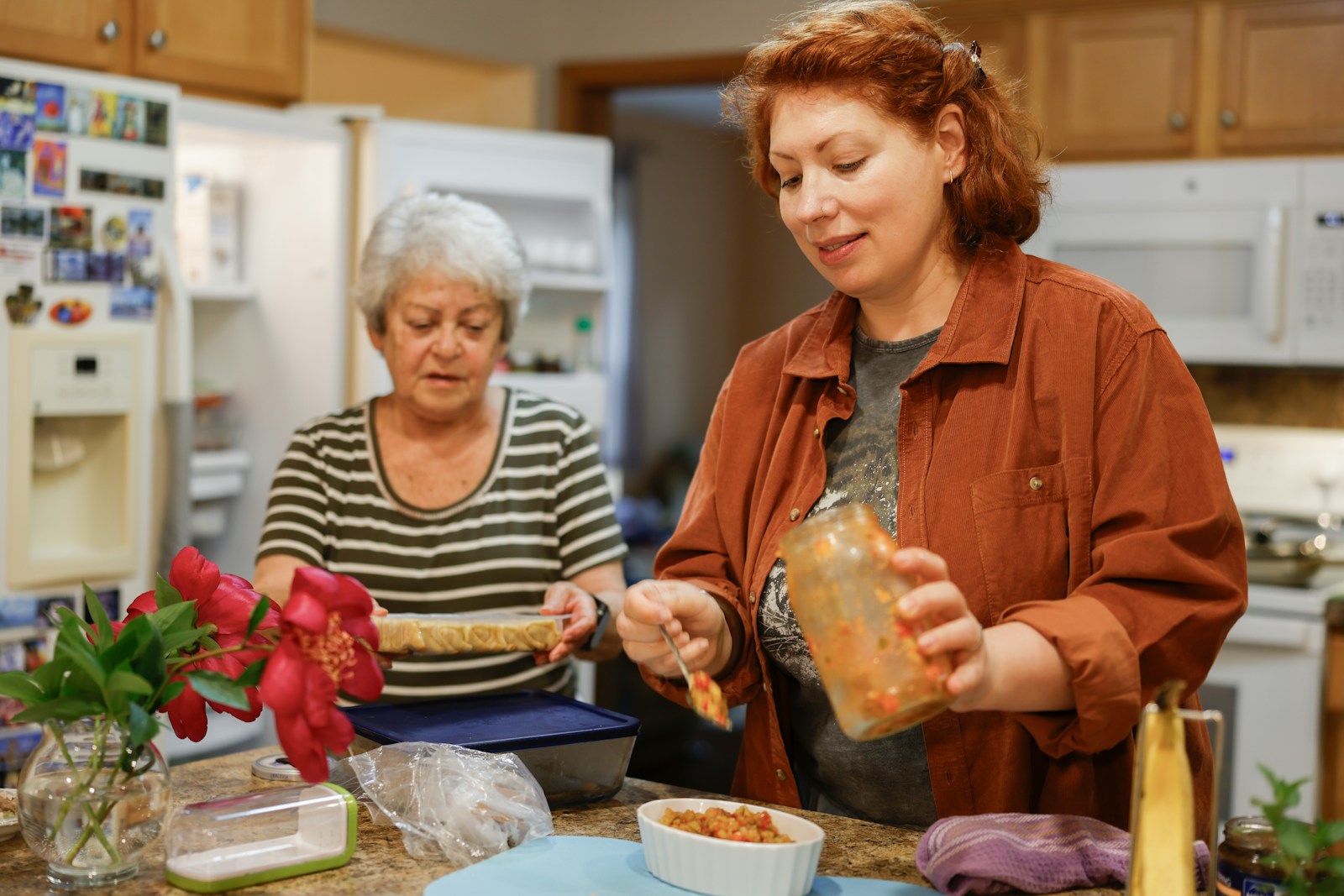
But when the visits stretch into weeks, the vibe changes. The fridge is always fuller than it should be, someone’s always in the kitchen, and the quiet little rituals that make your home feel like yours start getting crowded out. That’s the situation one husband says he’s dealing with, after his wife repeatedly invites her parents to stay for extended stretches—without checking in with him first.
“She tells me after the fact, like it’s already decided”
According to the husband, his wife’s parents don’t come for a few days—they come for two or three weeks at a time. He says the invitations happen casually, sometimes during a phone call, and he only hears about it afterward. When he brings up how disruptive it feels, she brushes it off as “not that big of an adjustment.”
That phrase is doing a lot of heavy lifting. Because what’s “not a big adjustment” to one person can feel like a complete reshuffling of daily life to another, especially if one spouse is absorbing most of the friction. In many households, the stress isn’t just about the guests—it’s about not being consulted.
Why long visits hit differently than a weekend stay
There’s a big difference between “We’re hosting your parents for dinner” and “We now have extra adults living here for the foreseeable future.” Long-term guests change the rhythm of a home: bathrooms get busier, mornings get noisier, and private downtime gets smaller. Even if everyone’s polite, the constant presence can make you feel like you’re never fully off-duty.
And it’s not only about space. It’s about autonomy. When you can’t wander into your own kitchen half-awake, or you feel like you need to make conversation every time you leave the bedroom, your home stops being a place you recover in. It turns into a place you perform in.
The real issue: not the parents, the process
If you listen closely to stories like this, the complaints are rarely just “I don’t like your mom.” More often it’s, “I feel like I don’t get a vote in my own life.” When one partner makes plans that affect the household for weeks at a time, the other partner can end up feeling like a roommate who got outvoted—rather than an equal partner.
That dynamic can build resentment fast, even if the in-laws are kind. It also creates a strange incentive: the spouse who didn’t agree to the visit may withdraw or get snippy, and then everyone wonders why they’re “being difficult.” In reality, they’re reacting to a boundary being skipped.
Why your spouse might genuinely see it as “no big deal”
To be fair, the wife might not be trying to steamroll anyone. People who grew up with open-door families often see long stays as normal, even comforting. If her parents were always around—or if visiting for weeks is standard in her culture or family style—she may honestly not register it as a major change.
She also might feel responsible for keeping her parents close, especially if they’re aging, lonely, or living far away. Sometimes “I invited them” is really shorthand for “I feel guilty if I don’t.” None of that makes it okay to skip the conversation, but it can explain why she seems surprised that her partner is stressed.
What “checking with me” actually means in a marriage
Some couples get stuck on the wording here. One person hears “check with me” and thinks it sounds like asking permission, which can feel infantilizing. But what most partners mean is, “Treat this as a joint decision because we share the home.”
A helpful reframing is: “I’m not asking you to get approval. I’m asking you to collaborate.” It’s the difference between announcing guests and planning together, the same way you’d plan a vacation, a major expense, or anything else that changes the household for weeks.
Small changes that can stop the fight from repeating
Couples who handle this well usually get specific. Not just “your parents can’t come that long,” but clear parameters like maximum visit length, how much notice is needed, and how often long stays can happen in a year. It’s less about banning family and more about keeping the home livable for everyone who actually lives there.
It also helps to talk about workload. Who’s cooking, driving them around, entertaining, cleaning, and giving up their usual routines? If one spouse is carrying most of the labor—or if the visiting parents expect to be hosted like they’re at a bed-and-breakfast—then the “adjustment” is not equal, and it will keep feeling unfair.
House rules aren’t rude; they’re survival
Weeks-long guests need a few basic agreements, and it doesn’t have to be awkward. Things like quiet hours, kitchen routines, shared TV time, and whether anyone can “drop by” other relatives while they’re in town can prevent daily friction. Think of it as traffic laws for the household: not romantic, but everyone gets where they’re going with fewer crashes.
And yes, you can say the quiet part out loud: “I need some alone time after work,” or “I’m going to keep my morning routine.” It’s better to set expectations early than to simmer for ten days and then explode because someone reorganized your pantry “to help.”
When the in-laws are lovely and it’s still too much
This is the part people feel guilty about. You can genuinely like your in-laws and still not want them living in your home for weeks. Liking someone doesn’t mean you want them in your space while you’re paying bills, trying to sleep, working, and living real life.
There’s also a difference between hospitality and cohabitation. Once guests are there long enough to influence your routines, privacy, and relationship time, it’s reasonable to treat the situation as a big household decision. That doesn’t make anyone unkind; it makes them human.
What a healthier conversation could sound like
If this couple were sitting down to reset the pattern, the goal wouldn’t be to win. It would be to rebuild the idea that their home is shared territory. A calm opener might be: “I want your parents in our lives, but I can’t handle weeks-long visits that I don’t agree to ahead of time.”
From there, it’s about creating a plan that respects both needs—connection and stability. Maybe the parents stay one week instead of three, or they split time between the couple’s home and a nearby rental, or the couple schedules visits during slower work periods. The key is that it becomes a joint plan, not a surprise announcement.
The bigger picture: feeling at home in your own home
When one partner says, “It’s not that big of an adjustment,” what they may be missing is the emotional piece. Home is where you recharge, where you’re unfiltered, where you don’t have to be “on.” If that gets taken away for weeks, it can feel like your life is being edited by committee.
And honestly, most couples aren’t fighting about the parents. They’re fighting about partnership. The good news is that this is fixable—but only if both people agree that shared living means shared decisions, even when the guests are family and even when everyone involved is perfectly nice.
More from Cultivated Comfort:
- 7 Vintage Home Items From the ’60s That Are Collectors’ Dream Finds
- 7 Vintage Home Goods That Became Collectors’ Gold
- 7 Fast-Food Chains That Changed for the Worse
- 7 Frozen Dinners That Were Better Back in the Day

As a mom of three busy boys, I know how chaotic life can get — but I’ve learned that it’s possible to create a beautiful, cozy home even with kids running around. That’s why I started Cultivated Comfort — to share practical tips, simple systems, and a little encouragement for parents like me who want to make their home feel warm, inviting, and effortlessly stylish. Whether it’s managing toy chaos, streamlining everyday routines, or finding little moments of calm, I’m here to help you simplify your space and create a sense of comfort.
But home is just part of the story. I’m also passionate about seeing the world and creating beautiful meals to share with the people I love. Through Cultivated Comfort, I share my journey of balancing motherhood with building a home that feels rich and peaceful — and finding joy in exploring new places and flavors along the way.