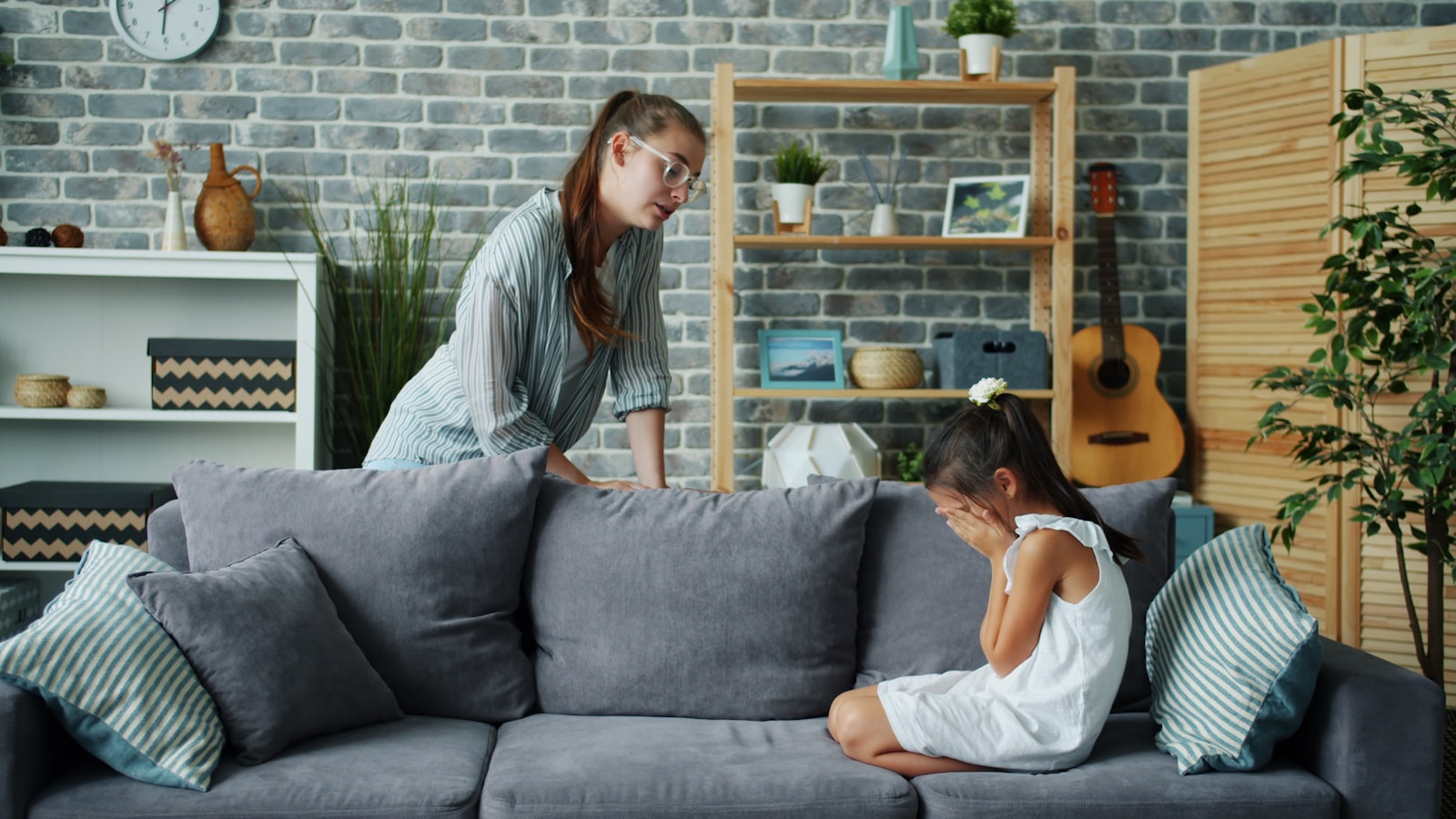
As parenting styles evolve with societal changes, many modern parents are revisiting traditional discipline methods that proved effective for previous generations. These old-school techniques, rooted in consistency and clear boundaries, are gaining attention as parents seek alternatives to contemporary approaches that may feel less effective. Understanding these methods could help in nurturing a more disciplined and respectful environment for children today.
Consistency Over Permissiveness
One of the hallmarks of traditional discipline is consistency. Parents from earlier generations often adhered to a set of rules that were communicated clearly and enforced without exception. This approach creates an environment where children know what to expect, leading to better behavior. Modern parents can benefit from this consistency by establishing household rules and sticking to them, ensuring that children understand the consequences of their actions.
In a world where permissiveness is often seen as a hallmark of progressive parenting, many children may struggle with boundaries. A structured discipline approach helps children feel secure and understand the limits of acceptable behavior. For instance, instead of negotiating bedtime every night, a consistent bedtime routine can create a sense of stability and predictability, making it easier for children to comply.
Effective Communication
Another key element of old-school discipline is the emphasis on effective communication. Parents of the past often engaged in meaningful conversations with their children about the reasons behind rules and expectations. This practice fosters understanding and respect, allowing children to internalize the lessons being taught. Modern parents can adopt this strategy by taking the time to explain the rationale behind certain rules, rather than simply issuing commands.
For example, instead of merely telling a child that they cannot play video games until their chores are completed, a parent could take a moment to discuss the importance of responsibility and teamwork within the household. This approach not only clarifies expectations but also encourages children to think critically about their actions and the consequences that follow.
Natural Consequences
Traditional discipline methods often employed natural consequences as a teaching tool. Rather than imposing arbitrary punishments, parents allowed children to experience the outcomes of their actions. This method teaches children to make better choices by directly linking their behavior to the results. For instance, if a child neglects to wear a coat on a chilly day, they might feel cold and learn to dress appropriately in the future.
Modern parents can apply this principle by allowing their children to face the consequences of their actions, provided those consequences are safe and appropriate. This approach encourages accountability and helps children develop problem-solving skills, as they learn to navigate the repercussions of their decisions.
Positive Reinforcement
While traditional discipline often focused on correcting negative behaviors, it also included a strong emphasis on positive reinforcement. Praising children for good behavior, effort, or achievements fosters self-esteem and encourages them to repeat those behaviors. Parents can utilize this method by recognizing and celebrating their children’s accomplishments, no matter how small.
For example, if a child completes their homework without being reminded, a simple acknowledgment or reward—like extra playtime—can reinforce the behavior. Positive reinforcement not only motivates children but also strengthens the parent-child relationship, promoting a harmonious household atmosphere.
Time-In Instead of Time-Out
While time-outs have become a popular disciplinary tactic, some traditional methods suggest a “time-in” approach instead. This technique involves bringing the child closer during moments of misbehavior, allowing for reflection and connection rather than isolation. Parents can use this opportunity to discuss feelings and emotions, helping the child understand the impact of their actions on themselves and others.
By practicing time-in, parents can foster open communication and emotional intelligence, teaching children how to express their feelings constructively. This method encourages empathy and understanding, which are essential skills in building healthy relationships throughout life.
Modeling Behavior
Old-school discipline emphasizes the importance of modeling appropriate behavior. Parents are often seen as role models, and children learn through observation. By demonstrating respect, responsibility, and kindness, parents can instill these values in their children. Modern parents should be mindful of their actions, as children are likely to mimic the behavior they see at home.
For instance, if parents consistently use polite language and demonstrate patience in challenging situations, children are more likely to adopt these traits. By modeling desired behaviors, parents not only teach but also reinforce the values they wish to instill in their children.

As a mom of three busy boys, I know how chaotic life can get — but I’ve learned that it’s possible to create a beautiful, cozy home even with kids running around. That’s why I started Cultivated Comfort — to share practical tips, simple systems, and a little encouragement for parents like me who want to make their home feel warm, inviting, and effortlessly stylish. Whether it’s managing toy chaos, streamlining everyday routines, or finding little moments of calm, I’m here to help you simplify your space and create a sense of comfort.
But home is just part of the story. I’m also passionate about seeing the world and creating beautiful meals to share with the people I love. Through Cultivated Comfort, I share my journey of balancing motherhood with building a home that feels rich and peaceful — and finding joy in exploring new places and flavors along the way.