

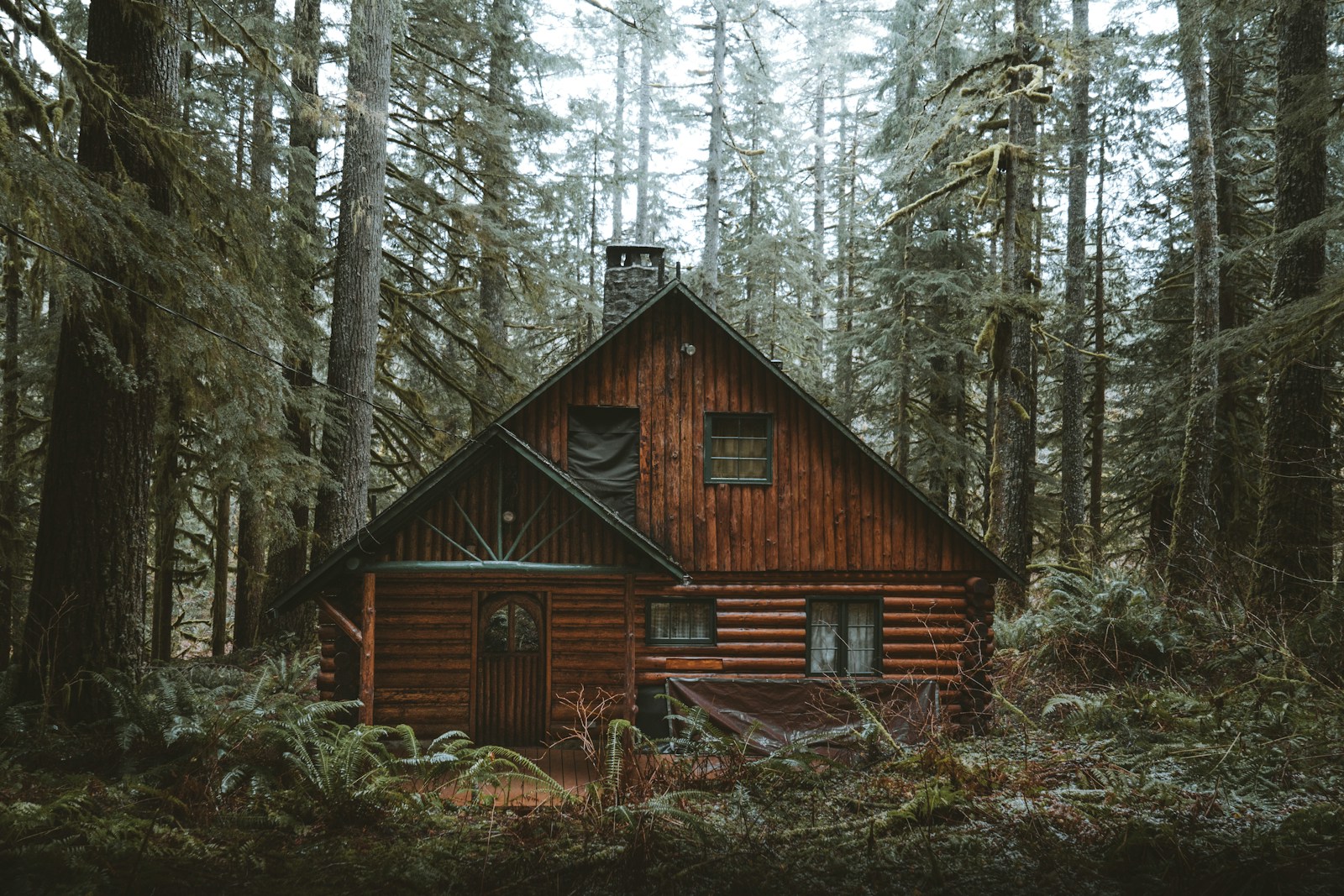
As the travel industry adapts to changing consumer preferences, a growing number of vacationers are opting for remote cabins instead of traditional resorts. This trend not only reflects a desire for solitude and nature but also highlights specific personality traits and lifestyle choices among those who prefer these secluded getaways. Understanding these characteristics can shed light on why some travelers are drawn to the serenity of a cabin in the woods rather than the bustling environment of a resort.
1. Nature Enthusiasts
Many individuals who gravitate towards remote cabins possess a deep appreciation for nature. These travelers often seek experiences that allow them to immerse themselves in the great outdoors, whether it’s hiking, fishing, or simply enjoying a quiet evening by the fire. Their preference for cabins stems from a desire to connect with the natural world, which is often more challenging to achieve in resort settings that can feel artificial or overly commercialized.
2. Peace Seekers
For many, the allure of a remote cabin lies in its promise of peace and tranquility. Vacationers who choose this option often prioritize relaxation and solitude, seeking an escape from the noise and stress of everyday life. Resorts, with their crowds and activities, can sometimes detract from the serene experience that these cabin-goers are looking for.
3. Adventure Lovers
People who opt for cabins are frequently adventurous souls. They are drawn to the idea of exploring new terrains and engaging in outdoor activities like hiking, rock climbing, or kayaking. Unlike resorts that often provide predefined activities, remote cabins allow for spontaneity and exploration, appealing to those who thrive on adventure and discovery.
4. DIY Attitude
A do-it-yourself mentality is common among cabin enthusiasts. Many of these travelers enjoy the challenge of preparing their own meals, setting up camp, or even managing their own entertainment, such as gathering wood for a fire or planning their hiking routes. This hands-on approach contrasts sharply with the all-inclusive experiences offered by many resorts, where everything is taken care of by staff.
5. Budget-Conscious Travelers
Choosing remote cabins can also be a financially savvy decision. Many of these travelers are budget-conscious and prefer accommodations that offer more value for their money. Cabins often provide a larger space for families or groups, allowing for shared costs, which can result in significant savings compared to booking multiple rooms at a resort.
6. Minimalists
Minimalism is a lifestyle choice for many who choose remote cabins for their vacations. These individuals often seek to simplify their lives and prioritize experiences over material possessions. A cabin in a remote setting aligns with this ethos, offering a retreat that emphasizes nature and simplicity rather than luxury and excess.
7. Family-Oriented Individuals
Families often find remote cabins more accommodating than resorts, particularly for those traveling with children. Cabin rentals typically offer more space and privacy, allowing families to bond without the distractions of resort activities. This family-oriented approach to vacationing prioritizes quality time spent together in a natural setting, fostering deeper connections.
8. Introspective Individuals
Many who choose remote cabins are introspective and value time for self-reflection. The solitude provided by a cabin in the woods allows for moments of quiet contemplation, making it an ideal setting for those who appreciate solitude. These travelers often find that being away from the hustle and bustle of everyday life enables them to recharge mentally and emotionally.
9. Sustainability Advocates
Finally, individuals who prefer remote cabins often have a strong commitment to sustainability. They are more likely to choose eco-friendly accommodations and practice responsible tourism. This focus on sustainability aligns with their desire to minimize their impact on the environment, making cabins a more appealing choice than larger resorts that may have a larger carbon footprint.
Conclusion
The growing preference for remote cabins over traditional resorts reveals a lot about the changing landscape of travel. These nine traits—nature enthusiasts, peace seekers, adventure lovers, DIY-minded individuals, budget-conscious travelers, minimalists, family-oriented individuals, introspective souls, and sustainability advocates—highlight a group of travelers who value connection, simplicity, and the environment. As this trend continues to evolve, it is clear that the appeal of a quiet cabin retreat resonates deeply with those seeking a different kind of vacation experience.

As a mom of three busy boys, I know how chaotic life can get — but I’ve learned that it’s possible to create a beautiful, cozy home even with kids running around. That’s why I started Cultivated Comfort — to share practical tips, simple systems, and a little encouragement for parents like me who want to make their home feel warm, inviting, and effortlessly stylish. Whether it’s managing toy chaos, streamlining everyday routines, or finding little moments of calm, I’m here to help you simplify your space and create a sense of comfort.
But home is just part of the story. I’m also passionate about seeing the world and creating beautiful meals to share with the people I love. Through Cultivated Comfort, I share my journey of balancing motherhood with building a home that feels rich and peaceful — and finding joy in exploring new places and flavors along the way.
