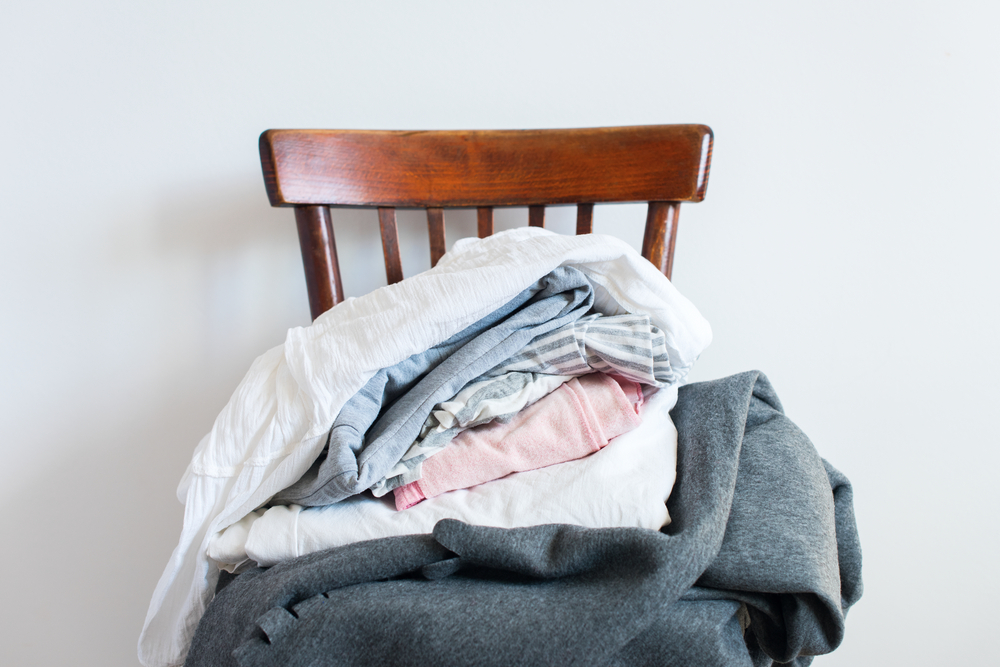
A growing number of individuals are discovering that a chair full of clothes is more than just a simple mess; it often reveals deeper life patterns and habits. This phenomenon, commonly seen in homes across the nation, can significantly affect personal organization, mental health, and even relationships. Understanding these patterns can help individuals identify underlying issues and lead to healthier living environments.
1. Procrastination and Avoidance
One of the most common life patterns associated with a chair full of clothes is procrastination. Many people find themselves placing clothes on a chair instead of putting them away, often due to a reluctance to tackle chores they perceive as tedious or overwhelming. This habit can lead to a backlog of laundry and an accumulation of clutter, which can exacerbate feelings of anxiety and stress.
2. Overcommitment and Busy Schedules
Individuals with busy schedules often find it challenging to keep up with household tasks, including laundry. When work, social obligations, and family commitments take precedence, domestic chores can fall by the wayside. This overcommitment not only leads to a disorganized space but can also contribute to a cycle of guilt and frustration when the mess becomes visibly overwhelming.
3. Difficulty with Decision-Making
A chair full of clothes may also indicate underlying issues with decision-making. For some, the act of sorting through clothing can feel paralyzing, leading them to avoid the task altogether. This indecision can stem from various factors, including fear of making the wrong choice about what to keep or discard, which can contribute to an overall sense of clutter in life.
4. Emotional Attachment to Items
Many people develop emotional attachments to their clothing, making it difficult to part with items, even when they no longer wear them. This emotional connection can lead to a buildup of clothes on a chair, as individuals struggle to let go of garments linked to memories or significant life events. Recognizing the emotional significance of these items is crucial, but it can also complicate the process of decluttering.
5. Perfectionism and Fear of Judgment
Perfectionism can play a significant role in the tendency to leave clothes on a chair. Some individuals may feel that if they cannot organize their space perfectly, they would rather not attempt it at all. This fear of judgment from others or the desire for an immaculate home can prevent them from taking practical steps toward organization, contributing to the cluttered appearance of their living space.
6. Lack of Storage Solutions
For many people, a lack of adequate storage solutions can lead to the habit of using a chair as a temporary holding area for clothes. If a home lacks sufficient closet space or organization systems, it becomes easy to let clothing accumulate on furniture rather than finding designated spaces. This situation often highlights a broader issue of space management within the home.
7. Mental Health Challenges
Research indicates that mental health issues such as depression and anxiety can lead to disorganization and clutter. Individuals experiencing these challenges may find it difficult to engage in daily tasks, including laundry. The resulting mess can create a negative feedback loop, where the clutter exacerbates feelings of hopelessness and low self-esteem, making it even harder to tackle the disorganization.
8. A Need for Self-Care and Downtime
Lastly, keeping a chair full of clothes can signify a lack of self-care and downtime. In today’s fast-paced world, many individuals prioritize work and responsibilities over their own well-being. As they neglect their personal space, they may also be neglecting their mental and emotional health, leading to a chaotic living environment that reflects their inner turmoil.
Addressing the Patterns
Recognizing these life patterns is the first step to addressing the issue of a chair full of clothes. Individuals can benefit from creating a routine that includes designated times for chores, which may reduce feelings of overwhelm. Additionally, seeking professional help, particularly for emotional attachments or mental health challenges, can provide necessary support in tackling the clutter.
Conclusion
Understanding the reasons behind a chair full of clothes can empower individuals to take charge of their living spaces and mental health. By identifying underlying life patterns, people can develop strategies to create a more organized and peaceful home environment. Ultimately, taking small steps toward decluttering can lead to significant improvements in overall well-being and quality of life.

As a mom of three busy boys, I know how chaotic life can get — but I’ve learned that it’s possible to create a beautiful, cozy home even with kids running around. That’s why I started Cultivated Comfort — to share practical tips, simple systems, and a little encouragement for parents like me who want to make their home feel warm, inviting, and effortlessly stylish. Whether it’s managing toy chaos, streamlining everyday routines, or finding little moments of calm, I’m here to help you simplify your space and create a sense of comfort.
But home is just part of the story. I’m also passionate about seeing the world and creating beautiful meals to share with the people I love. Through Cultivated Comfort, I share my journey of balancing motherhood with building a home that feels rich and peaceful — and finding joy in exploring new places and flavors along the way.