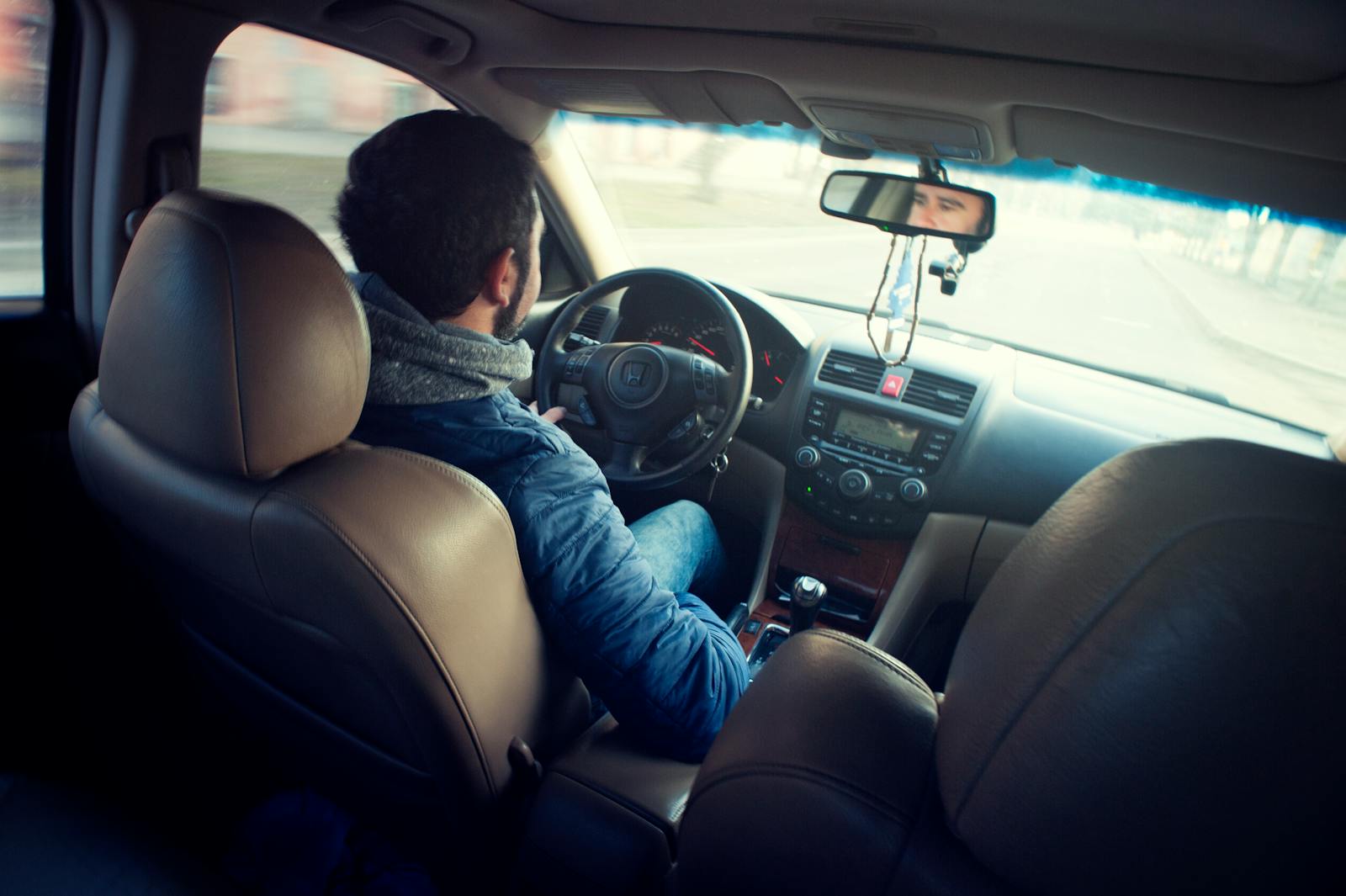
It started as a simple favor between roommates. Same workplace, similar schedules, and one person without a car. So when the request came up, it didn’t feel like a big deal to help out.
But months later, what was supposed to be a fair arrangement has turned into something one-sided, frustrating, and honestly, a little uncomfortable to keep up.
Now they’re wondering if finally putting a stop to it would make them the bad person.

A Simple Deal That Slowly Fell Apart
When the roommate first asked for rides to work, the agreement was pretty straightforward.
They’d ride together, match schedules, and contribute about $20 every couple of weeks for gas. Nothing excessive. Just enough to keep things fair.
At first, everything seemed fine. The setup worked, and there was an understanding that both sides would stick to the plan.
Except… that didn’t happen.
Over the past six months, the roommate has only paid once.
When “Helping Out” Became a Habit
Things got more complicated pretty quickly.
About a month in, the roommate changed their schedule so it no longer matched. At that point, this stopped being a simple carpool and turned into something else entirely.
Now, instead of just riding along, the driver was going out of their way. Extra trips. Different hours. More time and fuel spent just to help one person get to work.
And still, no payment.
Even worse, the issue wasn’t just forgotten. When the driver finally asked again for $20, the roommate ignored the message. Twice.
When asked in person, the response was blunt:
“I have other things to pay for.”
The Breaking Point
That comment seemed to change everything.
Because at that point, it wasn’t just about money anymore. It was about respect.
The original agreement had already been ignored for months. But now, it was being dismissed entirely.
Despite that, the roommate still continued asking for rides like nothing had changed.
And that’s where the internal conflict comes in.
The driver admits they’re not great with confrontation and didn’t enforce the agreement earlier because they didn’t want tension at home. They wanted to keep things peaceful.
But now, staying quiet feels like being taken advantage of.
Why This Blew Up
People reading the situation didn’t see this as a tough moral dilemma.
To them, it was pretty clear.
The agreement was fair. The driver followed through. The roommate didn’t.
And more importantly, the situation changed. Once schedules stopped matching, the favor became significantly more inconvenient. At that point, continuing to drive someone around without compensation stopped making sense.
One commenter summed it up perfectly:
“You went from carpooling to being their personal Uber.”
That shift is what stood out the most.
The Real Issue Isn’t Just Gas Money
At the core, this situation isn’t really about $20.
It’s about boundaries.
The roommate ignored messages, dismissed a reasonable request, and still expects the same level of help. That creates a dynamic where one person gives and the other just takes.
Some commenters even pointed out that the roommate likely noticed the driver’s reluctance to confront them and leaned into it.
Not necessarily in a dramatic way, but enough to keep benefiting from the situation.
So… Would They Be Wrong to Stop?
According to most people, no.
Not only would they not be wrong, they probably should have stopped much earlier.
That said, there is one thing to consider.
They still live together.
Completely ignoring the roommate might solve the ride issue, but it could make the home environment tense. A short, clear response might be the better move.
Something simple. No long explanation. Just a boundary.
Because at this point, continuing to give rides isn’t kindness anymore.
It’s just being taken for granted.
More from Cultivated Comfort: