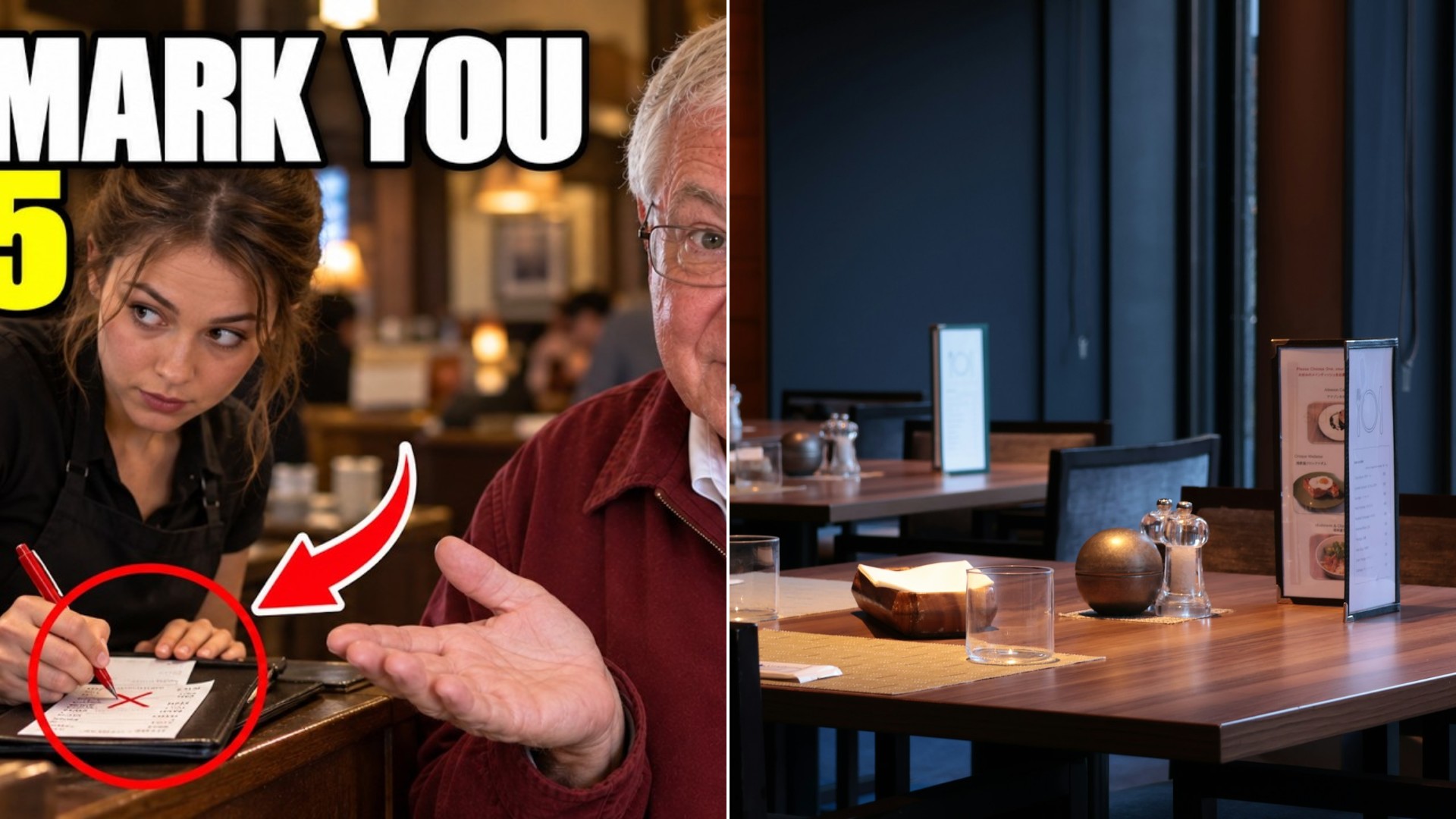
For 31 years, a man who goes by Gus ran restaurants, and he says he knows exactly how a restaurant treats you once you pass 65 because he wrote the rules himself. “This is not a man guessing,” he says. “This is a man confessing.”
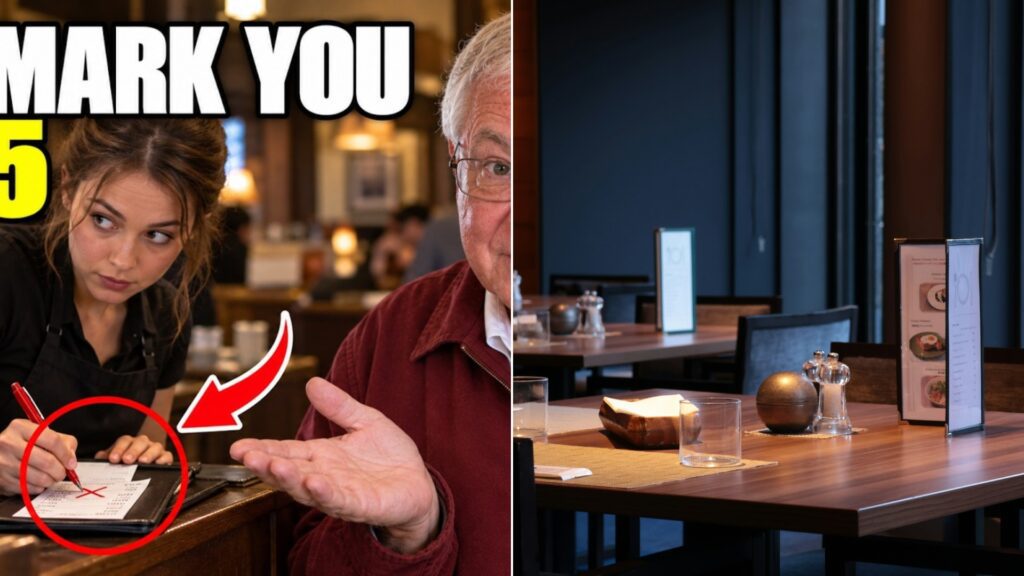
On his channel @DiningwithGus, he says he drew the seating charts, trained the hosts on where to put older guests and told servers when to drop the check. He counts down 26 quiet habits, and he says it comes down to math and habit, not hatred.
He adds that one night near the end of his career showed him what he had built, and it is the reason he stopped.
“You Are The Inventory That Does Not Push Back,” The Back Table By The Kitchen Door
Gus says that when an older couple walks in, a trained host usually picks the table nobody else wants. That means the one by the kitchen door or the service station, or the back corner where the light is bad.
He says the thinking was that older guests complain less and will not ask to be moved, so they fill the dead tables while good ones are saved for walk-ins the house wants to impress. His fix is a single sentence: “We would prefer that table by the window. Thank you.” He says the rule “cannot survive a guest who simply asks.”
The 5:00 To 6:00 Early Sitting Was Labeled “The Turn And Burn” On His Floor Plan
Gus says the house actively steers guests 65 and over into the early dinner window. It was not for comfort, he says, but so they are finished before the high-spending Friday night crowd arrives at 7:30.
He says he is not proud that the early sitting was labeled “the turn and burn” in his office. His advice is to book the 7:00 table and hold firm, because he says that table exists.
One Less Shrimp, A Smaller Pour Of Sauce, And A Check Dropped Before You Ask
Gus says that in more than one place he ran, line cooks were quietly told senior plates could go a touch lighter. It would be a smaller pour of sauce, one less shrimp or a thinner cut, based on the idea that older guests eat less and send less back.
His defense is simple. If your plate looks lighter than your partner’s identical order, say so politely, right then.
He also says staff were trained to drop the check early on older tables, assuming they would not order another round or dessert. “The bill coming early is a suggestion, not an instruction,” he says, so let it sit and order the coffee.
Old Coffee Poured For Seniors, Fresh Pot For The Younger Table
On a slow afternoon, Gus says, a pot can sit on the burner for an hour until the coffee is bitter and stewed, and he says someone has to drink it. He says he has watched servers pour the dregs for an older couple and brew a fresh pot the second a younger table orders.
If your coffee tastes burnt or flat, he says to send it back. “You are not being difficult. You are being a customer.”
He adds a related one: sometimes older guests are handed decaf when they ordered regular, so ask whether your cup is regular or decaf.
The Specials May Be What The Kitchen Needs To Move Today
Gus says a special is not always the chef’s pride. He says very often it is the ingredient closest to turning, and staff were told to push it hardest on the tables least likely to ask sharp questions.
His test is to ask straight out whether the dish is fresh and made today. A good house, he says, will answer honestly, and the way they handle that question tells you more about the place than the whole menu.
The Stopwatch Behind The Dimmed Attention, Empty Water Glass And To-Go Box
Gus says the one he warned viewers about is the turn clock. Every table in a serious restaurant has a target number of minutes before it is flipped, and he says older tables are often assigned a shorter one.
The early check, the to-go box offered too soon, the empty water glass and the server who stops stopping by are not separate rudenesses, he says. “They are all the same stopwatch nudging you out so the seat can be resold.” He says he wrote those turn times and knew who sat in the early sitting.
When you feel hurried for no reason you can name, his answer is simple: “You bought that seat, the time is yours.”
Two Things In Your Favor: The Senior Discount And Becoming A Regular
Gus does not paint every habit as bad. He says many restaurants have a senior discount, but staff are often not told to offer it, so it is only honored if you ask. Before ordering, ask: “Do you offer a senior discount?”
He also says the best servers are quietly given regulars. A known regular over 65 gets treated “like royalty,” he says, so pick a place, go back and learn names.
The senior menu, he says, cuts both ways. It can be good value, but it can steer you away from the higher-margin dishes, so look at both menus and order off whichever you please.
“You Were Scored Before You Sat Down,” And The Night An Old Man In A Tie Changed Him
His number one rule is that every guest is silently assigned a value the second they walk in, a guess at how much you will spend and how fast you will leave. Gus says guests 65 and over are very often scored low, and that decides the table, the service, the plate and the whole evening.
Then he tells the story he saved for the end. Near the end of his career, he says, he sat an old gentleman alone at the worst table in the house by the kitchen doors, exactly as his own policy said to. The man wore a jacket and tie to dinner alone.
When Gus brought the water, the man looked up and thanked him warmly, by name, for taking such good care of him. “He had no idea the table was an insult. He was simply grateful,” Gus says, and he says the man looked like his own father.
He went into the office, read the handbook he had written, and says he did not recognize the man who wrote it. That, he says, is the night he started telling the truth.
Gus’s Homework For Your Next Dinner Out
His task for viewers is to do one thing the next time they walk into a restaurant: choose their own table out loud the moment they step in. He says every one of these rules “collapses the instant a guest acts like they belong there.”
A few other habits from his list:
- Book online when you can, where the system shows real availability.
- Send back lukewarm food. He calls it “a hot plate served hot.”
- Read your bill line by line, since large parties can carry an automatic tip.
- If a server mentions closing time while you are still enjoying coffee, say you will be comfortable.
He closed by promising a follow-up on the exact words that get you treated like a regular on your first visit.
More Stories You May Like
- Leftover Restaurant Takeout Is Safe Only for So Long and the Doggy Bag Rules Say Refrigerate Within Two Hours and Toss After 3 to 4 Days
- 3 Ways Couples Can Ease the Cost of a Destination Wedding That Can Cost Guests Far More Than a Local Wedding Gift Would Ever Cost Them
- 3 Kind Ways to Fix the Restaurant Check Split That Makes Light Eaters and Non Drinkers Pay for Everyone Else’s Cocktails and Appetizers