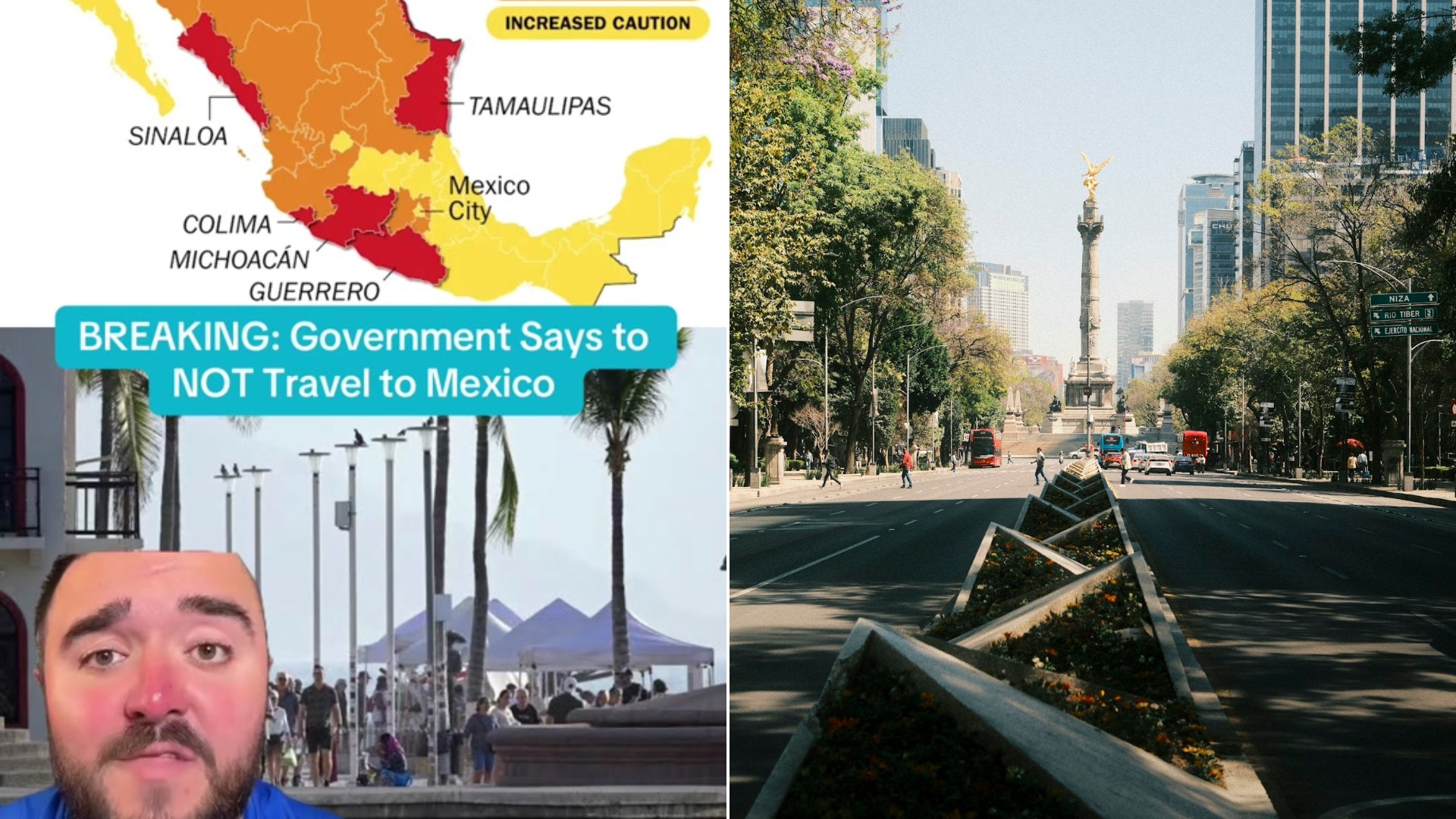
Planning a trip to Mexico is exciting, but a security alert is a good reason to slow down and check the facts. A travel creator, @gcsj44, is sharing news of an alert for a popular Mexican state not far from Mexico City.
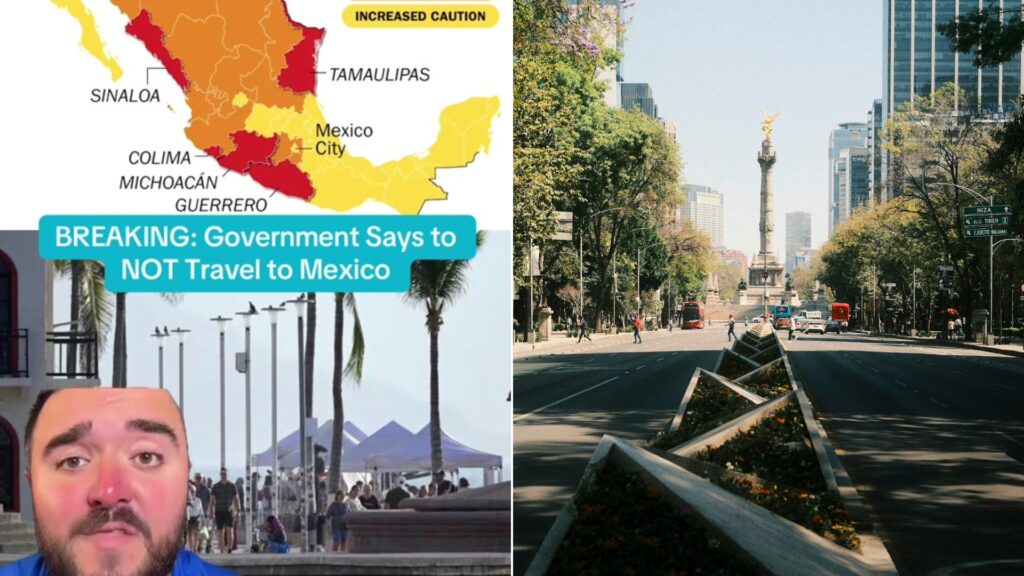
The creator reports that roadblocks and criminal activity have been reported there. The same message adds a sobering detail: the area’s travel advisory is already Level 4, Do Not Travel.
For travelers with plans on the calendar, that combination deserves a careful read.
Roadblocks And Criminal Activity Reported In A State Near Mexico City
Roadblocks can slow traffic, strand drivers and make a simple trip feel risky. When they are paired with reports of criminal activity, local authorities and embassies often urge travelers to stay put and avoid unnecessary movement.
The alert described in the creator’s message focuses on those two problems. It is a heads-up aimed at people who may be driving, taking buses or planning to visit towns in the region.
Mexico is a large country, and conditions vary widely from one place to the next. That is why a state-level alert matters more than a blanket judgment about the whole nation.
@gcsj44
Alerts like this often spread first on social media, ahead of formal notices. That makes them handy for a quick heads-up, but you should always confirm with an official source before changing plans.
Embassy and consulate websites post updated notices, and many airlines will tell you if routes are affected.
What Level 4 Do Not Travel Actually Means
The United States State Department rates every country on a four-point scale. Level 1 is to exercise normal precautions, Level 2 is to exercise increased caution, Level 3 is to reconsider travel and Level 4 is Do Not Travel.
Level 4 is the highest warning the government gives. It means the risks, such as crime, kidnapping or unrest, are considered serious enough that officials urge Americans to stay away.
For Mexico, the department issues a separate advisory for each state, so one popular area may sit at Level 4 while another is at Level 2. Several Mexican states have carried a Level 4 rating in recent years.
Why Travelers Near Mexico City Should Pay Attention
Mexico City is one of the most visited places in the Americas, and many travelers take side trips by car or bus to nearby towns and landmarks. That makes an alert in a neighboring state relevant to far more people than just those headed there on purpose.
Highways can cross state lines without much warning. A planned day trip could take you through a region you had not intended to visit.
That is why careful travelers map their routes before they leave the hotel. A few minutes of checking can spare you hours of worry.
Tour groups and hotels near Mexico City generally know which roads are safe on a given day. Ask them before you head out, and be willing to cancel an excursion if they advise it.
Many travelers also prefer to hire a licensed driver or use a trusted tour company for day trips, rather than rent a car and rely on a map app alone.
Smart Steps To Take Before Any Trip To Mexico
Safety planning does not have to be complicated. These steps are widely recommended by travel safety agencies and experienced visitors.
- Read the current State Department advisory for the exact state you plan to visit, not just the country.
- Enroll in the Smart Traveler Enrollment Program so the embassy can reach you in an emergency.
- Avoid driving at night on rural highways and stick to main toll roads when you can.
- Share your itinerary with someone at home and check in daily.
- Buy travel insurance that covers medical care and trip changes.
Alerts change quickly. Check again the day before you travel, and again before any day trip.
What To Do If You Are Already There
If you are in or near an area with an alert, the first rule is to stay calm and stay flexible. Contact your hotel, your tour operator and your embassy for current advice.
Avoid roadblocks or crowds, follow instructions from local authorities and keep your phone charged. Keep your documents and some cash in a safe place, and let family know where you are.
If a trip has to change, remember that a shortened vacation is better than a risky one. Most airlines and hotels are willing to talk when a government warning is in place.
Keep copies of your passport and travel documents separate from the originals. A photo on your phone and a printed copy in a different bag can save a lot of trouble.
Make sure your phone plan works abroad too, since reliable data helps you check alerts and call for help.
A Reminder That Good Travel Starts With Good Information
Millions of people visit Mexico every year and have wonderful trips. The food, the history and the warmth of the people are real, and they are worth enjoying wisely.
Reading one alert will not take the fun out of your plans. It may help you pick a different region, change your route or choose a safer time.
The creator’s message is a useful nudge for anyone with a ticket booked. Look up the current rating, talk to your travel provider and go with a plan.
More Stories You May Like
- Carnival Tests A Prepaid Gratuity Sticker On Ships Like The Panorama And Sunrise, But Cruisers Say The Sneaky Part Is Still A Tip Line Added On Top Of Gratuities Already Charged
- Thanksgiving Flights Cost 39% More Than Last Year And Are The Priciest In 10 Years, Yet AAA Says Thanksgiving Day Itself Is The Quietest Day To Travel
- Travel Creator Says One Sentence During Boarding Can Change How Attendants Remember You, While Most Passengers Make The Same Mistake Without Realizing