After a long week of feeling progressively worse, a woman decided to leave work early. She had planned on participating in an important meeting the next day, but her body had other ideas, leaving her feeling like she was on the brink of collapse. As she rested at home, a wave of guilt washed over her. Deep down, she felt as if she were faking her illness, something that had been ingrained in her since childhood.
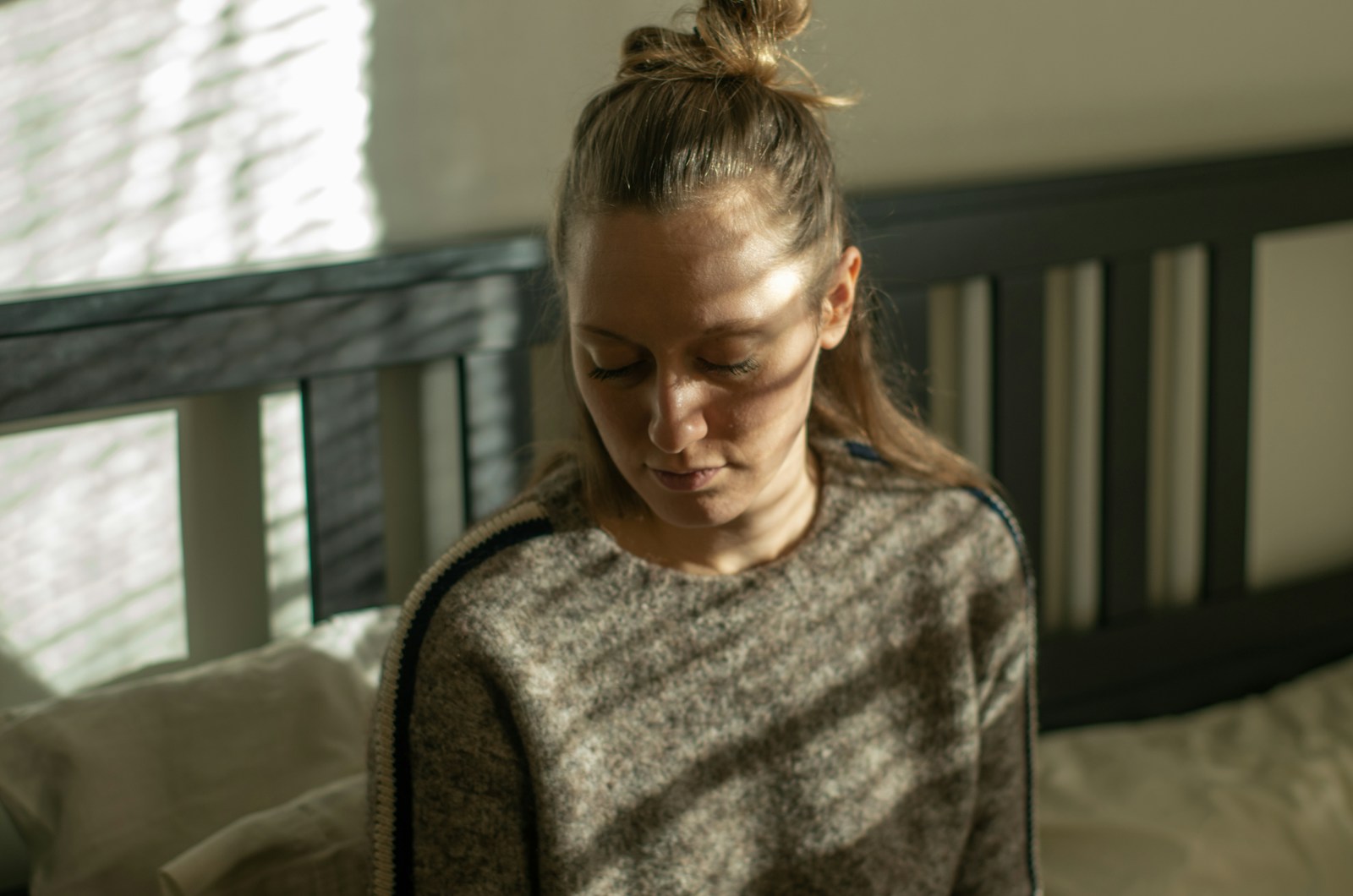
As she lay on the couch, memories flooded back to her early years when any sign of sickness was met with skepticism from her parents. She recalled her childhood vividly—every cough, every sniffle was dismissed, and she was labeled as a child who simply didn’t want to go to school. The irony was, she had loved school. The sentiment never seemed to register with her parents, who always seemed eager to pin her ailments on laziness or some kind of defiance. For her, the long-lasting impact of those dismissals was more real than any cold or flu.
One incident stood out in particular, a moment that had left an indelible mark on her. At the age of 16, she had been battling anorexia, a silent struggle that had consumed her for years. The weight loss and the accompanying malnutrition reached a tipping point one afternoon. She had blacked out and tumbled down the stairs in the garage. Instead of concern, she was met with her mother’s rage. “Get the fuck off the ground,” she had screamed, treating her fainting spell like an act of attention-seeking drama rather than a sign that something was seriously wrong. That moment, where she lay on the floor, felt more like an abandonment than a call for help.
The woman reflected on the day she worked as a waitress, another painful memory etched into her mind. It was during her period, and the cramps were unbearable. She had taken all the painkillers possible, but the pain was so intense it felt like she was about to black out while taking a table’s order. In desperation, she called her mom to explain the situation, hoping for some understanding. Instead, she was met with a familiar wave of anger over the phone, with her mother yelling that she wasn’t allowed to come home early. Feeling rebellious yet terrified, she pressed on, clocking out early anyway. Yet, knowing the eruption of fury she would face upon returning home, she opted to sit in the parking lot for six hours rather than face the wrath of her mother. The shift ended, and even in her exhaustion, she felt that familiar twinge of guilt—had she done something wrong?
Another time, she lived at her dad’s house for a brief two months, and things only got worse. One morning, she woke up with horrendous back pain, so severe that moving felt like an insurmountable challenge. As tears streamed down her face, she found the strength to reach out to him for help. But instead of sympathy, he had her spend the scorching summer day laying down cinder blocks in the blazing sun. When she moved slowly, he simply grew frustrated, as if her pain were more of an inconvenience to him than a valid struggle. The cycle of misunderstanding and anger seemed unending, reinforcing the idea that there was something wrong with her for just wanting to feel better.
Now, as an adult, this woman was left grappling with the remnants of her childhood. The guilt of feeling unwell remained deeply rooted, an echo of her past that made her question her own body’s signals. When she felt genuinely sick, her instincts urged her to downplay the pain or brush it aside entirely—habits formed from years of being told that needing rest or help was an act of weakness. She couldn’t help but wonder how many others shared this experience, this strange urge to prove their ailments were real even when their bodies screamed for attention.
As she reflected on her experiences, she felt a familiar ache in her chest—a mixture of sadness and frustration. The unspoken need for validation seemed to be a common theme among those raised in similar circumstances. Occasionally, she would find herself looking for stories from others who had faced the same dismissals, the same feelings of guilt when they felt unwell. There was a camaraderie in their shared experiences, a strange comfort that came from knowing she wasn’t alone in her struggle.
More from Cultivated Comfort:
- 7 Vintage Home Items From the ’60s That Are Collectors’ Dream Finds
- 7 Vintage Home Goods That Became Collectors’ Gold
- 7 Fast-Food Chains That Changed for the Worse
- 7 Frozen Dinners That Were Better Back in the Day